
Exercise Daily _ Soccer Training Routine For Beginners
Soccer, or football as it is known in most parts of the world, is one of the most popular sports globally. For beginners, developing a structured soccer training routine is crucial for skill acquisition and physical conditioning. However, many aspiring players often fall prey to misconceptions about training methods and the necessary commitment. This article aims to provide a detailed, evidence-informed soccer training routine for beginners, addressing common pitfalls and counterarguments in the process.
Explore more in our Natural Remedies section.
Explore more in our Wellness section.
Explore more in our Nutrition section.
The Importance of a Structured Training Routine
Many beginners think that simply playing soccer games will suffice for skill development. This notion is misguided. A structured training routine is essential for several reasons:
- Skill Development: Training allows players to focus on specific skills, such as dribbling, passing, and shooting, which are crucial for game performance.
- Physical Conditioning: Soccer requires endurance, strength, and agility. A well-rounded routine helps develop these physical attributes.
- Injury Prevention: Proper training can strengthen muscles and joints, reducing the likelihood of injuries during play.
Research indicates that a structured training program significantly improves performance metrics in soccer players (Reilly, T. 2001, PubMed). This article will outline a beginner-friendly routine that focuses on these areas.
Components of a Beginner Soccer Training Routine
A comprehensive soccer training routine should include skill drills, physical conditioning, and tactical understanding. Below is a breakdown of essential components:
1. Skill Drills
Skill drills form the backbone of any soccer training routine. Here are some essential drills for beginners:
- Dribbling: Set up cones in a zig-zag pattern and practice dribbling through them using both feet. Aim for at least 10 minutes of focused practice.
- Passing: Pair up with a partner and practice short passes, focusing on accuracy and technique. Alternate between using the inside and outside of the foot.
- Shooting: Practice shooting from different angles. Use both feet and aim for specific targets within the goal to improve accuracy.
Studies have shown that repetitive skill practice is vital for motor skill acquisition in soccer (Gabbett, T. 2016, NIH).
2. Physical Conditioning
Physical conditioning is non-negotiable for soccer players. Here’s a basic routine:
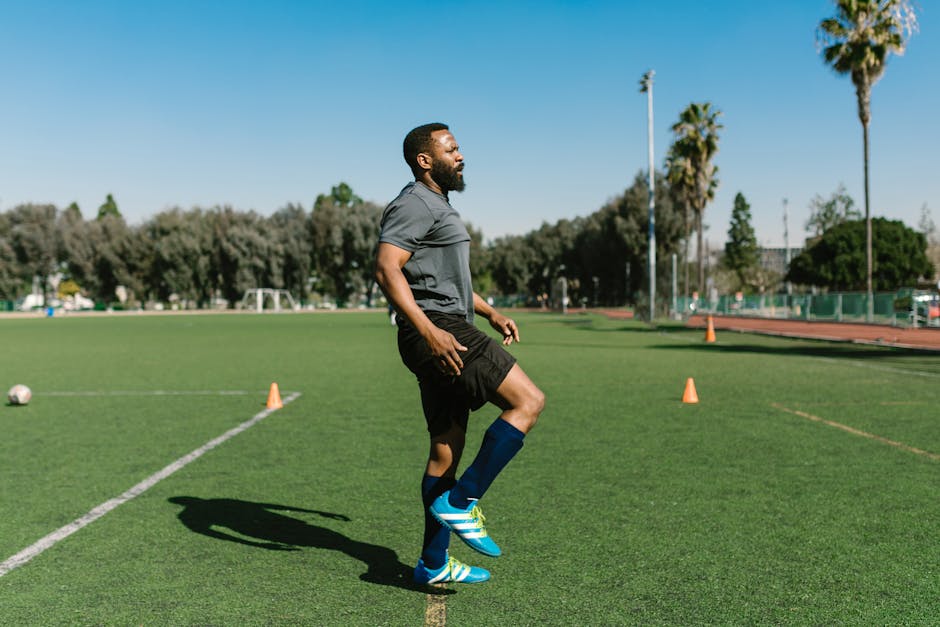
- Warm-up (10-15 minutes): Start with light jogging followed by dynamic stretches such as high knees and butt kicks.
- Endurance Training (20-30 minutes): Incorporate interval running—alternate between sprinting for 30 seconds and jogging for 1 minute.
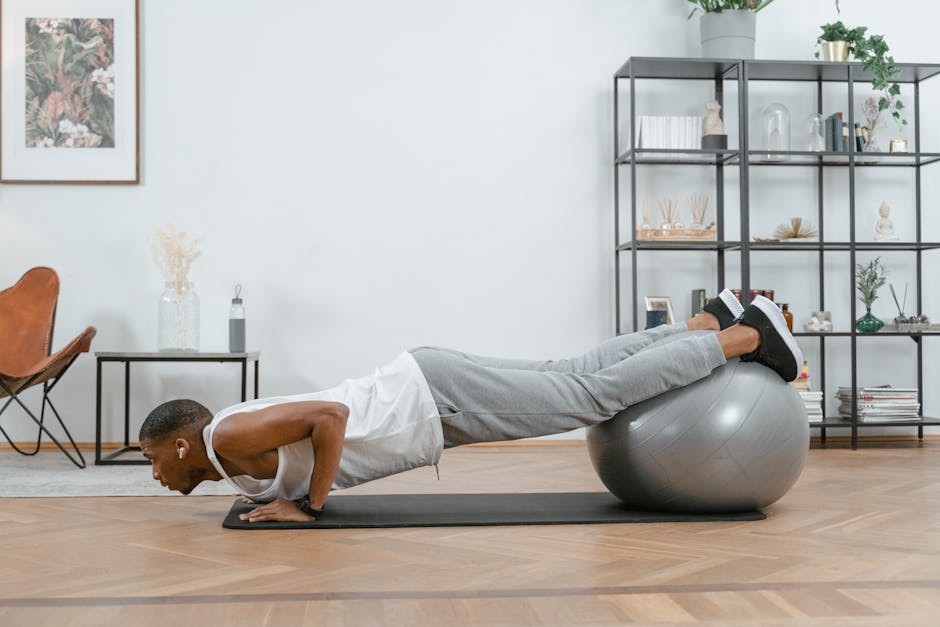
- Strength Training (20 minutes): Focus on bodyweight exercises like squats, lunges, and push-ups. Aim for 3 sets of 10-15 repetitions.
According to the World Health Organization, regular physical activity can improve cardiovascular health and overall well-being (WHO, WHO).
3. Tactical Understanding
Many beginners overlook the importance of tactical training. Understanding positioning and movement is crucial for effective gameplay:
- Watch Professional Games: Analyze player movements and formations. Take notes on how players position themselves during different phases of the game.
- Small-Sided Games: Engage in small-sided matches (3v3 or 5v5) to understand space and positioning in a game context.
Research indicates that tactical awareness can significantly enhance a player’s performance on the field (Hughes, M. & Franks, I. 2005, NIH).
Sample Weekly Training Schedule
To implement the above components effectively, a weekly training schedule can help structure your practice:
Monday: Skill Focus
Dribbling, passing, and shooting drills (1 hour), followed by a cooldown with static stretches.
Tuesday: Conditioning
Warm-up, interval running, and strength training (1 hour).
Wednesday: Tactical Training
Watch a professional game, take notes on positioning, and engage in small-sided games (1 hour).
Thursday: Skill Focus
Repeat Monday’s schedule, focusing on improving techniques.
Friday: Conditioning
Similar to Tuesday, but vary the exercises to keep it engaging.
Saturday: Game Day
Participate in a local league match or friendly game (1-2 hours).
Sunday: Rest and Recovery
Focus on hydration, nutrition, and light stretching to aid recovery.
Common Misconceptions About Soccer Training
As you embark on your soccer journey, it’s crucial to debunk common misconceptions that can hinder your progress:
1. “I Can Skip Conditioning Because I’m Young”
Many beginners believe that youth alone can carry them through games. However, conditioning is vital for performance and injury prevention at any age. A lack of physical fitness can lead to fatigue and poor performance, particularly in competitive settings.
2. “Dribbling is the Only Skill I Need”
While dribbling is essential, passing, shooting, and tactical understanding are equally important. Focusing on one skill can severely limit your overall development as a player.
3. “Practice Makes Perfect”
The common adage “practice makes perfect” is misleading. It’s not just about the quantity of practice but the quality. Deliberate practice, where you focus on improving specific skills, is far more effective than mindless repetition.
Nutrition for Young Soccer Players
Nutrition plays a pivotal role in a beginner’s training routine. Proper fueling can enhance performance and aid recovery. Here are some key points:
- Hydration: Drink plenty of water before, during, and after training sessions.
- Balanced Diet: Incorporate carbohydrates for energy, proteins for muscle repair, and healthy fats for overall health.
- Pre-Game Meal: Consume a meal rich in carbohydrates and moderate in protein about 2-3 hours before a game.
For a quick energy-boosting recipe, try this Banana Oatmeal Energy Bar:
Ingredients:
- 2 cups rolled oats
- 2 ripe bananas, mashed
- 1/4 cup honey
- 1/2 cup almond butter
- 1/4 cup dark chocolate chips (optional)
Instructions: Mix all ingredients in a bowl. Spread the mixture into a greased baking dish and bake at 350°F (175°C) for 15-20 minutes. Let cool, cut into bars, and enjoy!
Conclusion
A well-structured soccer training routine for beginners is essential for skill development, physical conditioning, and tactical understanding. By focusing on skill drills, conditioning, and nutrition, you can set a solid foundation for your soccer journey. Remember, the key to improvement is consistent practice, quality training, and a willingness to learn from both successes and failures. As you embark on this journey, avoid common misconceptions and embrace a holistic approach to your training.
For more insights on fitness and exercise, check out our categories on exercise and fitness.
- Reilly, T. (2001). The Science of Soccer
- Gabbett, T. (2016). The Role of Physical Conditioning in Soccer
- World Health Organization (WHO). The Importance of Physical Activity
- Hughes, M. & Franks, I. (2005). The Role of Tactics in Soccer
These are for informational purposes only. Consult your doctor and do your own research before use.
Eat daily, sleep daily, exercise daily.