

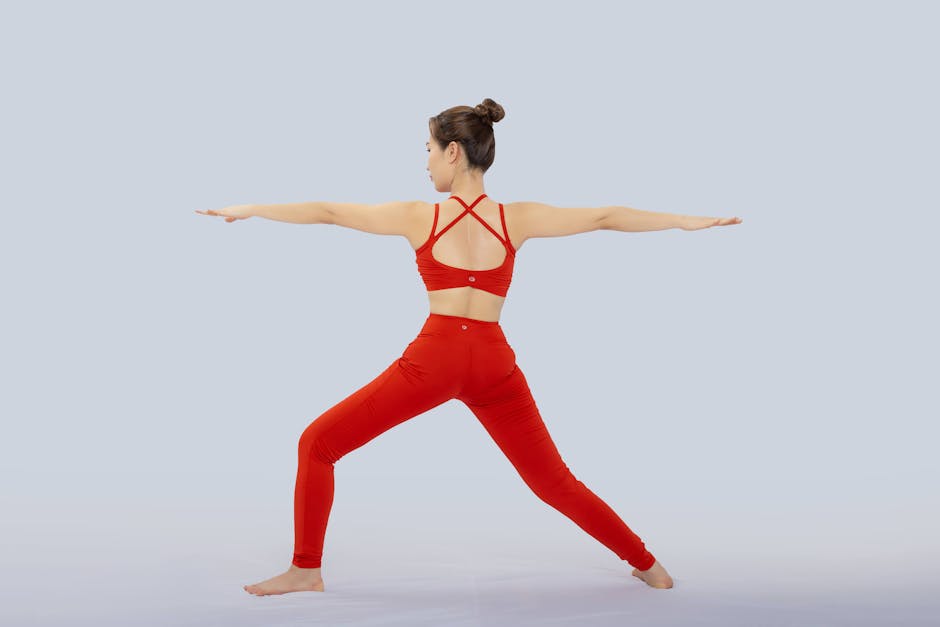
Exercise Daily _ Yoga Poses For Lower Back Pain
Many people believe that resting is the best solution for lower back pain, but this misconception can often lead to prolonged discomfort and even worsen the issue. Instead of finding relief, countless individuals exacerbate their pain by avoiding movement altogether. This article aims to debunk this myth and provide you with effective yoga poses specifically designed to alleviate lower back pain, enhance flexibility, and strengthen your core muscles.
Who This Is For
- Beginners looking to relieve lower back pain.
- Athletes seeking to improve their flexibility and prevent injuries.
- Busy adults with sedentary lifestyles.
- Parents who experience discomfort from lifting and carrying children.
- Individuals recovering from back injuries.
What Most People Get Wrong




As an Amazon Associate, Exercise Daily earns from qualifying purchases. This post may contain affiliate links. Last updated: April 9, 2026
One of the most significant errors in dealing with lower back pain is the belief that total inactivity will lead to healing. While rest is essential after an acute injury, prolonged immobility can lead to muscle atrophy and stiffness, further complicating recovery. According to a study published in the Journal of Pain Research, engaging in gentle movement, such as yoga, promotes healing by increasing blood flow to the affected areas and encouraging the release of endorphins, the body’s natural painkillers. These endorphins not only help reduce pain perception but also contribute to a sense of well-being.
Additionally, many people assume that they should avoid stretching or movement if they feel pain. However, specific yoga poses can actually help to stretch and strengthen the muscles supporting the spine, providing essential relief. The problem arises when individuals perform these poses incorrectly or push themselves too hard, which can lead to further injury. Therefore, understanding proper alignment and technique in yoga is crucial for safety and efficacy.
Effective Yoga Poses for Lower Back Pain
1. Cat-Cow Stretch
The Cat-Cow Stretch is a gentle flow between two poses that warms the spine and relieves tension in the back. This pose not only enhances flexibility but also encourages mindfulness as you synchronize your breath with movement.
- Start on your hands and knees in a tabletop position, with wrists aligned under shoulders and knees under hips.
- Inhale as you arch your back (Cow), dropping your belly towards the mat and lifting your chin and chest. Feel the gentle stretch in your abdomen and lower back.
- Exhale as you round your spine (Cat), tucking your chin to your chest and drawing your belly button towards your spine. Focus on the sensation of releasing tension.
- Repeat this flow for 5-10 breaths, allowing your body to move fluidly between the two positions.
2. Child’s Pose
Child’s Pose is a restorative pose that helps to stretch the lower back and hips, providing a calming effect on the mind and body. This pose encourages relaxation and mindfulness, making it an excellent choice for stress relief.
- Start in a kneeling position with your big toes touching and knees apart.
- Exhale and lower your torso between your thighs, extending your arms forward on the mat. Feel the gentle elongation of your spine.
- Relax your forehead on the ground and breathe deeply for 5-10 breaths, focusing on the sensations in your lower back and hips.
3. Downward-Facing Dog
This pose stretches the entire back and helps build strength in the arms and legs. It is a foundational pose in yoga that can invigorate the body while relieving tension in the lower back.
- Start on your hands and knees, then tuck your toes and lift your hips up and back, creating an inverted V shape with your body.
- Keep your spine straight and your heels reaching towards the ground. If your heels don’t touch the floor, that’s okay; just focus on lengthening your spine.
- Hold for 5-10 breaths, pedaling your feet to deepen the stretch and relieve tension in your calves and hamstrings.
4. Sphinx Pose
Sphinx Pose strengthens the lower back while gently stretching the spine. This pose encourages a sense of openness in the chest and can help improve posture, which is beneficial for those experiencing lower back pain.
- Lie on your stomach with your legs extended behind you and forearms on the mat, elbows under your shoulders.
- Lift your chest and head, pressing down through your forearms. Keep your shoulders relaxed away from your ears.
- Hold for 5-10 breaths, focusing on lengthening your spine and avoiding any strain in your lower back.
5. Bridge Pose
This pose not only strengthens the back but also opens the hips and stretches the chest. Bridge Pose is particularly effective for counteracting the effects of prolonged sitting, which can contribute to lower back pain.
- Lie on your back with your knees bent and feet flat on the floor, hip-width apart, and arms at your sides.
- Press your feet into the ground as you lift your hips towards the ceiling. Engage your glutes and core as you rise.
- Clasp your hands under your back and hold for 5-10 breaths, focusing on deep, steady breathing and releasing tension in your back.
Why This Actually Works
Yoga poses for lower back pain work on multiple levels. Firstly, they enhance flexibility in the spine and surrounding muscles, which can alleviate pressure on the vertebrae and disks. This is crucial, as tight muscles can lead to imbalances and strain. A study in the Journal of Clinical Psychology found that yoga significantly reduced pain and improved function in individuals with chronic lower back pain, demonstrating its effectiveness as a therapeutic approach.
Moreover, yoga encourages mindfulness and body awareness, which can help individuals learn to listen to their bodies and recognize when to push through discomfort and when to rest. This practice can create a positive feedback loop for pain management. Research conducted by the National Institutes of Health supports the idea that yoga not only addresses physical symptoms but also aids in managing stress and anxiety, which are often associated with chronic pain conditions. The mental aspect of yoga, including breath control and meditation, can further enhance the benefits by promoting relaxation and reducing stress hormones.
Incorporating Yoga into Your Routine
To effectively integrate these poses into your routine, consider dedicating 10-15 minutes each day to practice. Here’s a simple plan:
- Begin with the Cat-Cow Stretch to warm up your spine and prepare your body for movement.
- Transition into Child’s Pose for relaxation and grounding, allowing your body to release tension.
- Follow with Downward-Facing Dog to strengthen and stretch the entire back, promoting blood flow and flexibility.
- Incorporate Sphinx Pose to further engage the lower back and encourage spinal alignment.
- Conclude with Bridge Pose, focusing on deep breaths and relaxation, allowing your body to absorb the benefits of your practice.
Consistency is key. Many practitioners report that regular yoga practice not only alleviates their current pain but also prevents future episodes. This proactive approach can be especially beneficial for those with sedentary jobs or lifestyles, as it counteracts the negative effects of prolonged sitting and promotes a more active, engaged lifestyle. Additionally, consider pairing your yoga practice with other forms of low-impact exercise, such as walking or swimming, to further enhance your overall physical health and well-being.
Frequently Asked Questions
1. How often should I practice yoga for lower back pain?
For optimal results, aim to practice yoga at least 3-4 times a week, gradually increasing the duration and intensity of your sessions as you build strength and flexibility. Listening to your body is essential; if you feel fatigued, allow yourself to rest or modify your practice accordingly.
2. Can I do yoga if I have a herniated disc?
It depends on the severity of your condition. Consult with a healthcare provider before starting any yoga practice, and consider working with a certified yoga therapist who can tailor poses to your needs. They can help ensure that you perform poses safely and effectively, minimizing the risk of exacerbating your condition.
3. What should I avoid while practicing yoga with lower back pain?
Avoid poses that require deep forward bends or excessive twisting of the spine, especially if they cause pain. It’s crucial to listen to your body and modify poses as needed. If a pose feels uncomfortable or painful, do not hesitate to skip it or substitute it with a gentler variation. Always remember that your comfort and safety should come first in your practice.
Conclusion
Incorporating yoga poses into your routine can be a powerful strategy for managing lower back pain. This practice not only promotes physical healing but also enhances mental well-being. Remember, the journey to recovery requires patience and consistency. Embrace these yoga poses, and you’ll likely find a path to relief and resilience. By committing to a regular practice, you can cultivate a deeper connection with your body and foster a greater understanding of your physical and emotional needs.
For more insights on exercise, check out our articles on exercise and fitness. Remember, healing takes time, but with dedication, you can reclaim your comfort and mobility. Eat daily, sleep daily, exercise daily.