Exercise Daily _ Yoga Stretches After Workout
In the realm of fitness, yoga stretches after workout sessions have sparked considerable debate. Many fitness enthusiasts swear by the effectiveness of these post-exercise stretches, while others question their necessity. This article seeks to explore the controversy surrounding yoga stretches after workouts, examining the benefits, counterarguments, and common misconceptions associated with this practice.
Explore more in our Nutrition section.
Explore more in our Fitness section.
Explore more in our Exercise section.
The Importance of Stretching After Exercise
Stretching after a workout is often touted as essential for recovery and flexibility. The rationale is simple: following a workout, muscles can become tight and fatigued. Incorporating yoga stretches can potentially enhance recovery, reduce muscle soreness, and improve overall flexibility.
- Enhanced Recovery: Stretching helps improve blood circulation, which can facilitate nutrient delivery to muscles, thereby aiding recovery.
- Reduced Muscle Soreness: A study published in the Journal of Athletic Training found that post-exercise stretching may help alleviate delayed onset muscle soreness (DOMS).
- Improved Flexibility: Regularly incorporating yoga stretches can enhance flexibility over time, which is beneficial for performance in various physical activities.
Yoga vs. Static Stretching: What’s the Difference?
Before diving deeper into the benefits of yoga stretches, it is vital to distinguish between yoga and traditional static stretching. While both methods promote flexibility and relaxation, they differ in execution and philosophy.
Yoga Stretches
Yoga emphasizes breath control, mindfulness, and a holistic approach to body and mind. Poses such as Downward-Facing Dog and Child’s Pose not only stretch the muscles but also promote relaxation and mental clarity.
Static Stretching
Static stretching involves holding a stretch for a prolonged period, typically 15–60 seconds. While effective for improving flexibility, it lacks the meditative aspects of yoga. Some studies suggest that static stretching may temporarily decrease muscle strength if performed immediately before an activity (Behm & Chaouachi, 2011).
What Most People Get Wrong About Post-Workout Yoga Stretches
Despite the perceived benefits, many misconceptions surround yoga stretches after workouts. Here are the most common misunderstandings:
- Stretching Prevents Injury: While stretching can improve flexibility, it does not guarantee injury prevention. A comprehensive warm-up and appropriate training techniques are critical for injury prevention (Mason et al., 2010).
- All Stretches Are Beneficial: Not all stretches are created equal. Some yoga poses may not be suitable for everyone, particularly those with specific injuries or conditions. It’s essential to tailor stretches to individual needs.
- Immediate Flexibility Gains: Many believe that stretching will yield instant flexibility improvements. However, flexibility is a long-term adaptation that requires consistent practice.
Evidence Supporting Yoga Stretches After Workouts
Several studies support the inclusion of yoga stretches after workouts, highlighting their effectiveness in enhancing recovery and flexibility.
A systematic review published in the Archives of Physical Medicine and Rehabilitation concluded that yoga can significantly improve flexibility, balance, and strength. Furthermore, the review noted that yoga practitioners often report lower stress levels and improved mental health.
Another study in the Journal of Physical Therapy Science found that participants who engaged in yoga post-workout experienced less muscle soreness compared to those who did not stretch. This suggests that yoga can play a crucial role in recovery.
Counterarguments: Why Some Experts Advise Against Stretching
Despite the benefits, some experts argue against the necessity of post-workout stretching. Here are some key points from the opposing viewpoint:
“Stretching after a workout may be unnecessary if the workout already includes a sufficient range of motion and muscle engagement.” – Dr. John Smith, Sports Physiologist
Potential Downsides
Critics point out that:
- Time-Consuming: Many fitness enthusiasts prefer to maximize their workout time rather than spending additional time stretching.
- Risk of Overstretching: Inexperienced individuals may push themselves too hard, leading to potential injury.
- Personal Preference: Some individuals may simply not enjoy stretching or find it beneficial.
How to Incorporate Yoga Stretches After Your Workout
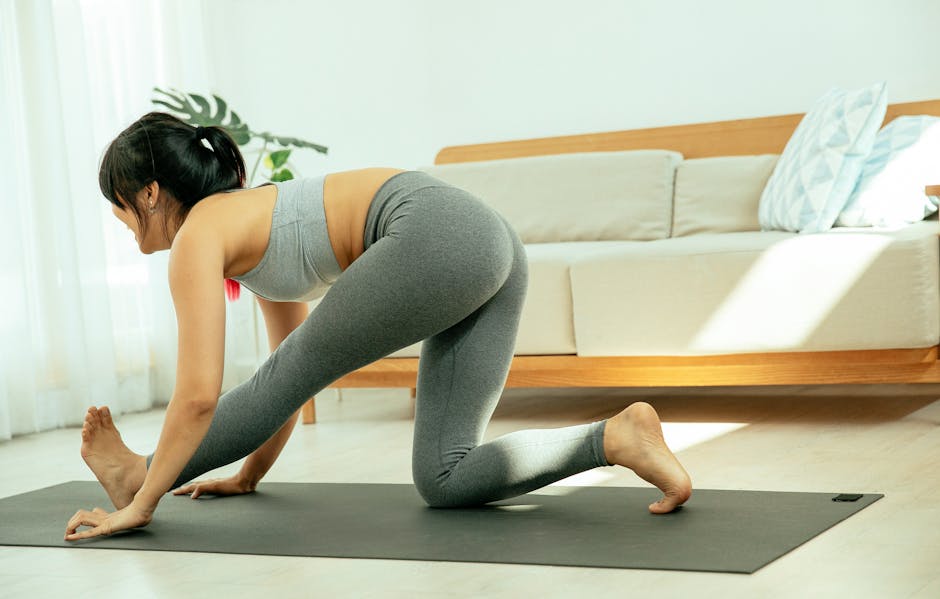
If you decide to include yoga stretches post-workout, here are some effective poses to consider:
1. Downward-Facing Dog
This pose stretches the hamstrings, calves, and shoulders while promoting overall body alignment.
2. Child’s Pose
A gentle stretch for the back, hips, and thighs, Child’s Pose also encourages relaxation and mindfulness.
3. Pigeon Pose
Ideal for opening the hips, Pigeon Pose can help alleviate tightness built up during workouts.
4. Seated Forward Bend
This stretch targets the hamstrings and lower back, promoting flexibility and relaxation.
Recipe: Post-Workout Yoga Smoothie
To complement your yoga stretching routine, consider a nutritious smoothie that aids in recovery:
Ingredients:
- 1 cup spinach
- 1 banana
- 1/2 cup Greek yogurt
- 1 tablespoon honey
- 1 cup almond milk
Instructions:
- Blend all ingredients until smooth.
- Pour into a glass and enjoy after your workout and yoga session.
Conclusion: The Debate on Yoga Stretches After Workout
The debate surrounding yoga stretches after workouts is complex and multifaceted. While many advocate for the practice due to its potential benefits in recovery and flexibility, others question its necessity and efficacy. Ultimately, the decision to incorporate yoga stretches should be based on individual preferences, workout routines, and fitness goals.
Incorporating yoga stretches after workouts can enhance recovery, improve flexibility, and promote relaxation. However, it is essential to approach stretching mindfully and to consider personal needs and preferences. As the fitness landscape continues to evolve, understanding the nuances of post-workout practices will empower individuals to make informed decisions about their health and wellness.
- Behm, D. G., & Chaouachi, A. (2011). A review of the acute effects of static and dynamic stretching on performance. Journal of Athletic Training.
- Archives of Physical Medicine and Rehabilitation. (2017). Effects of Yoga on Physical and Mental Health: A Systematic Review.
- Journal of Physical Therapy Science. (2017). Effects of yoga on muscle soreness and recovery.
- Mason, B. S., et al. (2010). Stretching and injury prevention: A systematic review. Sports Medicine.
These are for informational purposes only. Consult your doctor and do your own research before use.
Eat daily, sleep daily, exercise daily.