Exercise Daily _ Balance Exercises For Icy Conditions
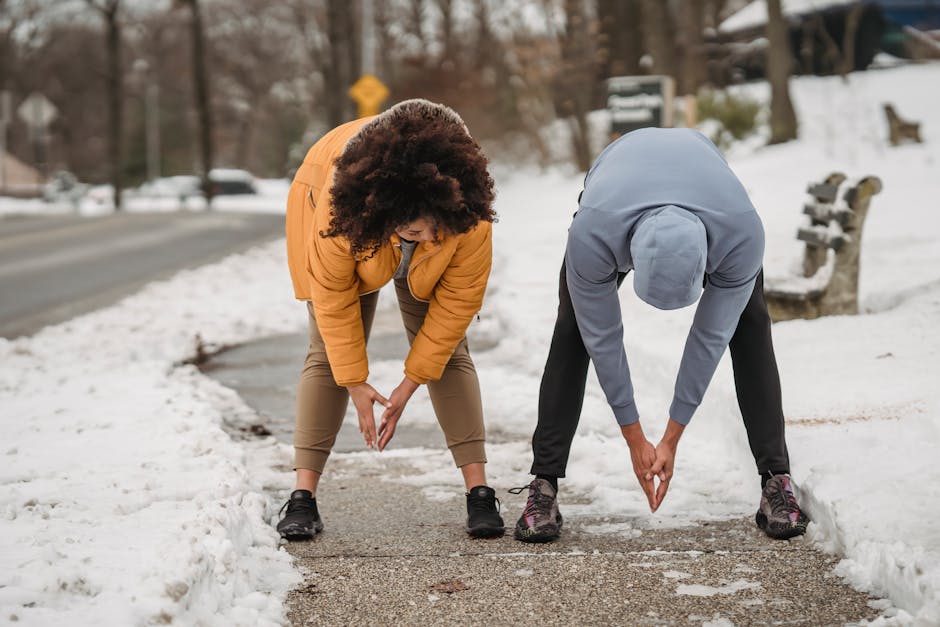
As winter approaches, icy conditions become a daily reality for many. While the beauty of a snow-covered landscape is undeniable, the hazards of slipping and falling on slick surfaces pose serious risks to health and safety. Balance exercises for icy conditions are not merely a suggestion; they are a necessity for anyone wanting to navigate these treacherous environments safely. In this comprehensive guide, we will explore effective balance exercises, debunk common misconceptions, and provide evidence-based strategies to improve your stability on ice.
The Importance of Balance Training
Balance training is crucial for everyone, but it becomes particularly vital during the winter months when icy conditions can lead to falls and injuries. According to the World Health Organization (WHO), falls are one of the leading causes of injury and death among older adults, with millions of individuals affected each year (WHO). Therefore, not only does balance training help prevent injuries, but it also enhances overall physical performance and coordination.
Understanding the Risks of Icy Conditions
When the ground is covered in ice, the risk of slipping increases significantly. Most people underestimate the importance of maintaining balance, often relying solely on their footwear or external supports. However, the reality is that falls can occur even with the best equipment. A study published in the PubMed database found that balance training significantly reduced the incidence of falls among older adults by improving their stability and reaction time (Shumway-Cook et al., 2017).
In the following sections, we will discuss specific balance exercises that can enhance your stability on icy surfaces, counterarguments regarding their effectiveness, and what most people get wrong about balance training.
Essential Balance Exercises for Icy Conditions




Here are some effective balance exercises that can be easily performed indoors or outdoors, regardless of your fitness level. Incorporating these exercises into your routine can significantly improve your ability to navigate icy conditions safely.
1. Single-Leg Stands
This exercise is simple yet effective. It helps improve your stability and strengthens the muscles in your legs.
- Stand straight with your feet shoulder-width apart.
- Slowly lift one leg off the ground, bending your knee at a 90-degree angle.
- Hold the position for 15-30 seconds, focusing on maintaining balance.
- Switch legs and repeat.
For added difficulty, try closing your eyes or standing on a soft surface, such as a yoga mat.
2. Heel-to-Toe Walk
This exercise mimics the act of walking on a narrow surface, which can help improve your balance.
- Find a straight, flat surface.
- Walk in a straight line, placing the heel of one foot directly in front of the toes of the other foot.
- Focus on a point in front of you to maintain your balance.
- Repeat for 10-15 steps, then turn around and walk back.
3. Side Leg Raises
Side leg raises strengthen the hip abductors, which are crucial for maintaining balance.
- Stand next to a wall or chair for support.
- Lift one leg to the side while keeping your body straight.
- Hold for a few seconds and lower it back down.
- Repeat for 10-15 repetitions on each side.
4. Tai Chi
Tai Chi is a gentle form of martial arts that focuses on slow, controlled movements. It enhances balance and flexibility, making it ideal for icy conditions.
- Find a quiet space to practice.
- Begin with basic movements, focusing on your posture and breathing.
- Practice regularly to improve your balance and coordination.
Counterarguments: Are Balance Exercises Enough?
While balance exercises are critical for enhancing stability, some argue that they may not be sufficient on their own. Critics suggest that relying solely on balance training can lead to overconfidence, which may increase the likelihood of falls. It’s essential to combine balance exercises with other safety measures, such as wearing appropriate footwear, using walking aids, and being mindful of environmental conditions.
Furthermore, many individuals believe that balance training is only necessary for older adults. However, studies indicate that people of all ages can benefit from improving their balance and coordination (DiStefano et al., 2020). Younger individuals, particularly athletes, can also enhance their performance and prevent injuries by integrating balance exercises into their training routines.
Common Misconceptions About Balance Exercises
Despite the clear benefits of balance training, several misconceptions persist. Here are a few of the most common myths:
- Myth 1: Balance training is only for seniors.
- Myth 2: You need special equipment to train your balance.
- Myth 3: Balance exercises are not effective.
In reality, balance exercises can be performed with little to no equipment and are beneficial for individuals of all ages. The key is consistency and progression in your training regimen.
Integrating Balance Exercises into Your Routine
To maximize the benefits of balance training, it’s essential to integrate these exercises into your regular fitness routine. Here are some practical tips:
- Start with short sessions (5-10 minutes) and gradually increase the duration.
- Incorporate balance exercises into your warm-up or cool-down routines.
- Practice balance exercises on different surfaces (e.g., grass, sand) to challenge your stability.
- Consider joining a class or working with a trainer to ensure proper form and technique.
Conclusion
Balance exercises for icy conditions are not just a seasonal necessity; they are a critical component of overall health and safety. By incorporating exercises such as single-leg stands, heel-to-toe walks, side leg raises, and Tai Chi into your routine, you can significantly reduce your risk of falls and injuries during winter months. Remember to combine these exercises with other safety measures to create a comprehensive approach to navigating icy conditions.
It is time to challenge the misconceptions surrounding balance training and recognize its importance for individuals of all ages. Don’t wait until you slip on the ice—start incorporating balance exercises into your fitness routine today!
For more information on exercises and fitness tips, visit our Exercise category or explore our Fitness section.
Recipe: Ginger Tea for Joint Health
In addition to balance training, maintaining joint health is essential, especially in icy conditions. Ginger has anti-inflammatory properties that can help soothe sore joints.
- Boil 2 cups of water.
- Add 1-2 inches of fresh ginger, sliced.
- Let it simmer for 10-15 minutes.
- Strain and add honey or lemon to taste.
- Enjoy warm for best results.
References
These are for informational purposes only. Consult your doctor and do your own research before use.
Eat daily, sleep daily, exercise daily.
These are for informational purposes only. Consult your doctor and do your own research before use.