
Exercise Daily _ Beginner Fitness Routine After Long Break
Returning to fitness after a prolonged break can be daunting. Whether you’ve taken a hiatus due to injury, life changes, or simply lost motivation, it’s crucial to approach your comeback thoughtfully. A beginner fitness routine not only helps in regaining lost strength but also in preventing injuries. This article discusses the best practices for structuring your routine, common misconceptions, and the science behind a gradual return to fitness.
Explore more in our Natural Remedies section.
Explore more in our Wellness section.
Explore more in our Nutrition section.
The Importance of a Structured Routine
Many individuals underestimate the necessity of a well-structured fitness routine. After a long break, your body requires time to adapt to physical activity again. A structured approach not only ensures safety but also maximizes effectiveness. A systematic routine has multiple benefits:
- Prevention of injuries: Gradual progression helps your muscles, joints, and ligaments adjust.
- Improved motivation: Setting achievable goals keeps you engaged.
- Enhanced results: A focused plan can lead to better fitness outcomes.
According to a study published in the National Institutes of Health (NIH), individuals who follow structured exercise regimens are more likely to stick with their fitness goals than those who do not.
Understanding Your Current Fitness Level




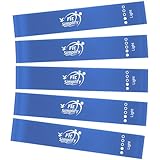
Before embarking on any fitness routine, it’s essential to assess your current fitness level. This assessment should consider various factors:
- Physical Health: Consult with a healthcare provider, especially if you have pre-existing conditions.
- Fitness History: Reflect on your previous exercise habits and any activities you enjoyed.
- Goals: Define clear, realistic goals for your fitness journey.
Most people mistakenly jump back into high-intensity workouts, which can lead to burnout or injury. Instead, start with moderate activities that you can sustain over time.
Components of a Beginner Fitness Routine
A balanced beginner fitness routine should include various components to promote overall health:
1. Cardiovascular Exercise
Cardio is essential for heart health and weight management. Start with low-impact activities such as walking, cycling, or swimming. Aim for:
- 20-30 minutes of moderate-intensity cardio, 3-5 times a week.
- Gradually increase duration and intensity as your endurance improves.
2. Strength Training
Strength training helps build muscle and supports bone health. As a beginner, focus on bodyweight exercises before progressing to weights:
- Push-ups: Start with wall push-ups if necessary.
- Bodyweight squats: Ensure proper form to protect your knees.
- Planks: Hold for 10-20 seconds, working up to longer durations.
Incorporate strength training at least twice a week, allowing a day of rest between sessions.
3. Flexibility and Mobility
Flexibility exercises are often neglected but are crucial for preventing injuries. Incorporate stretching into your routine:
- Dynamic stretches as a warm-up.
- Static stretches post-workout, holding each stretch for 15-30 seconds.
Common Misconceptions About Returning to Fitness
Many beginners fall prey to myths that can hinder their progress. Here are a few misconceptions:
1. “More is Better”
Many believe that working out harder and longer will yield faster results. However, this can lead to overtraining and burnout. A study in the World Health Organization suggests that moderation is key to a sustainable routine.
2. “I Need to Lose Weight First”
Some individuals think they should lose weight before starting a fitness routine. In reality, exercising can help with weight loss while improving mental health and energy levels. Starting a routine is often the catalyst for healthier habits.
3. “I Should Feel Sore After Every Workout”
While some soreness is normal, consistent pain can indicate overexertion. Listen to your body and allow adequate recovery time.
Creating Your Personalized Routine
To create a personalized beginner fitness routine, consider the following steps:
1. Set SMART Goals
SMART stands for Specific, Measurable, Achievable, Relevant, and Time-bound. For example, instead of saying “I want to get fit,” you could say, “I will walk for 30 minutes, five times a week for the next month.”
2. Choose Enjoyable Activities
Engagement is critical for sustainability. Select exercises that you enjoy, whether it’s yoga, dancing, or hiking. This can significantly increase adherence to your routine.
3. Schedule Your Workouts
Incorporate your workouts into your daily schedule. Treat them as non-negotiable appointments to help establish a habit.
4. Track Your Progress
Keeping a fitness journal or using a mobile app can help you monitor your progress. This can motivate you to continue as you see improvements over time.
Nutrition and Recovery
Nutrition plays a vital role in your fitness journey. A balanced diet fuels your workouts and aids recovery. Focus on:
- Whole Foods: Prioritize fruits, vegetables, whole grains, lean proteins, and healthy fats.
- Hydration: Drink ample water before, during, and after exercise.
- Post-Workout Nutrition: Consuming a mix of protein and carbohydrates within 30 minutes post-workout can enhance recovery.
For a simple post-workout remedy, consider this smoothie recipe:
Post-Workout Berry Banana Smoothie
Ingredients:
- 1 banana
- 1 cup mixed berries (fresh or frozen)
- 1 cup almond milk (or any milk of choice)
- 1 tablespoon protein powder (optional)
- 1 tablespoon honey (optional)
Instructions: Blend all ingredients until smooth. Enjoy immediately for optimal recovery!
Listening to Your Body
As you embark on your fitness journey, it’s crucial to listen to your body. Pay attention to signs of fatigue, pain, or discomfort. Adjust your routine as necessary, and don’t hesitate to take rest days. Recovery is just as important as the workout itself.
Conclusion
Embarking on a beginner fitness routine after a long break requires careful planning and a commitment to gradual progress. By understanding your fitness level, structuring your workouts, and debunking common misconceptions, you can set yourself up for success. Remember, fitness is a journey, not a race. Stay patient, stay motivated, and enjoy the process of rediscovering your physical capabilities.
For more information on fitness and exercise routines, check out our categories on exercise and fitness.
- National Institutes of Health (NIH)
- World Health Organization (WHO)
- Journals of Gerontology
- The Journal of Sports Medicine
These are for informational purposes only. Consult your doctor and do your own research before use. Eat daily, sleep daily, exercise daily.
These are for informational purposes only. Consult your doctor and do your own research before use.