Exercise Daily _ Exercises To Avoid Diastasis Recti
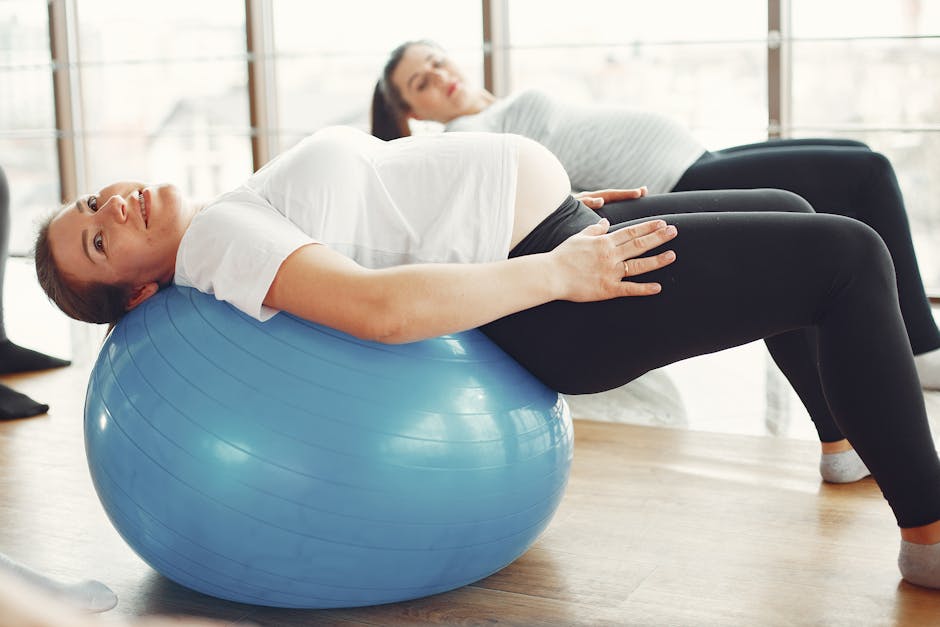
Many people mistakenly believe that traditional core workouts, like crunches and sit-ups, are the best way to strengthen abdominal muscles and avoid diastasis recti. This couldn’t be further from the truth. In fact, these exercises can exacerbate the very condition they aim to prevent, particularly for pregnant women and postpartum individuals. Understanding the right approach to core strength is crucial in preventing this common issue, which affects a significant number of women during and after pregnancy.
Who This Is For
- Pregnant women looking to maintain core strength safely.
- Postpartum individuals recovering from childbirth.
- Fitness enthusiasts wanting to avoid abdominal separation.
- Parents managing busy lifestyles while prioritizing fitness.
- Individuals with a history of abdominal weakness or injury.
What Most People Get Wrong



As an Amazon Associate, Exercise Daily earns from qualifying purchases. This post may contain affiliate links. Last updated: October 22, 2026
The misconception that all core exercises are beneficial for everyone leads many to neglect the specific needs of their bodies, particularly during pregnancy and postpartum recovery. A common assumption is that doing more of a particular exercise will yield better results. However, when it comes to diastasis recti, this approach can be harmful.
Many people continue to perform exercises that put excessive pressure on the abdominal wall, such as traditional crunches, planks, and heavy lifting without proper form. These can contribute to a widening of the rectus abdominis, the muscle group that separates during diastasis recti. Instead of strengthening the core, these exercises can lead to further separation and instability.
Additionally, the belief that core strength is solely about appearance can mislead individuals into prioritizing superficial exercises over those that promote functional strength and stability. This misunderstanding can lead to frustration and potential injury, as individuals may not see the results they expect and may inadvertently increase the risk of diastasis recti.
Why This Actually Works
To effectively prevent diastasis recti, it’s important to focus on exercises that promote core stability rather than simply targeting visible muscle strength. Core stability exercises engage the deep abdominal muscles, such as the transverse abdominis, which help support the spine and pelvis, fostering a more functional and integrated approach to core strength.
Research indicates that engaging in targeted exercises can help restore abdominal function and prevent further separation. A study published in the Journal of Physical Therapy Science found that specific exercises aimed at strengthening the transverse abdominis significantly reduced the incidence of diastasis recti in postpartum women.
Moreover, these exercises not only help in preventing diastasis recti but also improve overall posture, enhance pelvic stability, and reduce the risk of back pain. By focusing on the deeper layers of the abdominal wall, individuals can achieve a well-rounded approach to core fitness that supports their daily activities and overall well-being.
Exercises to Incorporate
Here are some effective exercises to include in your routine to help prevent diastasis recti:
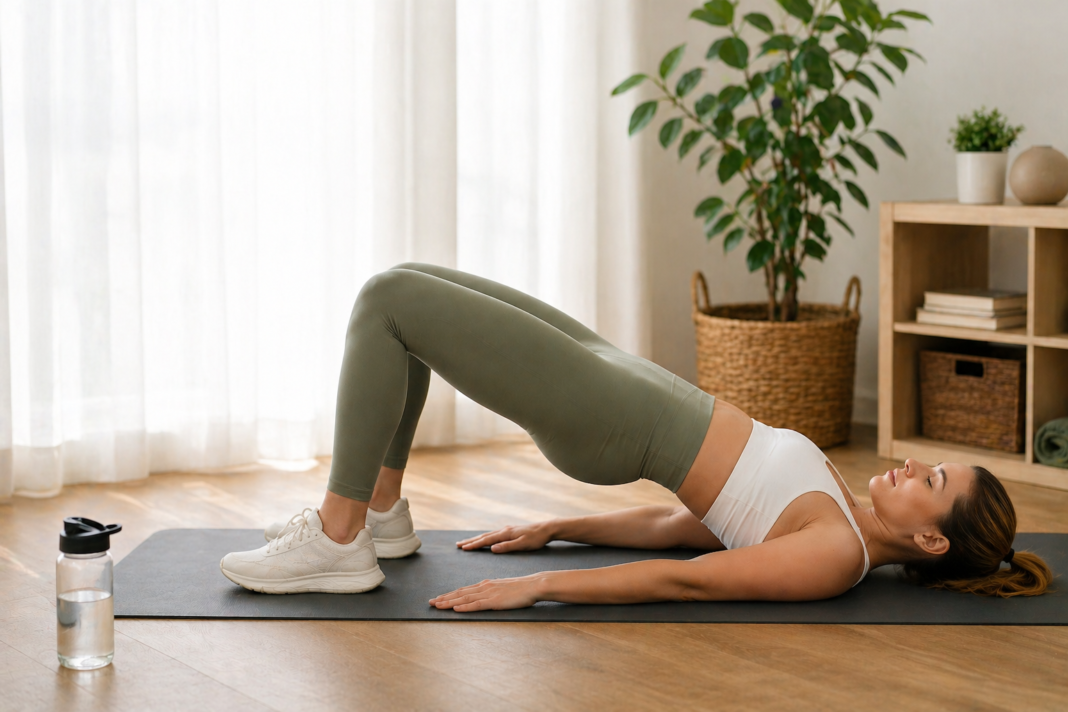
- Pelvic Tilts: This gentle movement helps engage the deep core muscles while relieving pressure on the abdomen. To perform a pelvic tilt, lie on your back with your knees bent and feet flat on the floor. Inhale to prepare, and as you exhale, gently flatten your lower back against the floor by tilting your pelvis upward. Hold for a few seconds, then release. Repeat this 10-15 times, focusing on controlled movements.
- Modified Plank: Instead of a full plank, use your knees for support. This modification reduces strain on the abdominal wall. Start on your hands and knees, with your wrists aligned under your shoulders. Step back on your knees, keeping your body in a straight line from head to knees. Engage your core and hold for 15-30 seconds. As you build strength, gradually increase the duration.
- Cat-Cow Stretch: This yoga pose promotes flexibility in the spine while engaging the core muscles gently. Start on your hands and knees in a tabletop position. Inhale as you arch your back (cow), lifting your head and tailbone. Exhale as you round your spine (cat), tucking your chin and pelvis. Repeat this flowing movement for 5-10 cycles, maintaining a focus on your breath.
- Heel Slides: Lying on your back, slide one heel along the floor, keeping your core engaged. This exercise activates the transverse abdominis without excessive pressure. To perform heel slides, start with your knees bent and feet flat on the floor. Inhale to prepare, then exhale as you slide one heel away from your body while keeping your lower back pressed into the floor. Return to the starting position and switch sides. Perform 10-15 repetitions on each side.
- Side-Lying Leg Lifts: This exercise strengthens the obliques and hip muscles, contributing to overall core stability. Lie on your side with your legs stacked. Engage your core and lift your top leg towards the ceiling, keeping it straight. Hold for a moment at the top, then lower it back down. Aim for 10-15 repetitions on each side, ensuring that your movements are controlled and deliberate.
Exercises to Avoid
While it’s essential to incorporate beneficial exercises, it is equally crucial to steer clear of those that may worsen diastasis recti:
- Traditional sit-ups and crunches, which can put undue pressure on the abdominal wall.
- Heavy lifting without proper form, which can strain the core and exacerbate separation.
- High-impact exercises that involve jumping or bouncing, which can create instability in the abdominal region.
- Full planks without modifications, as they can increase intra-abdominal pressure.
- Excessive twisting motions that strain the abdomen, leading to further separation and discomfort.
Recognizing these potentially harmful exercises is crucial for anyone looking to maintain core integrity, particularly during and after pregnancy. It is essential to adopt a mindset of prevention and care, focusing on movements that promote healing and stability rather than those that could lead to further complications.
Real-World Application
Implementing these exercises into your routine requires a mindful approach. For instance, if you’re a busy parent, you might only have a few minutes a day to dedicate to core workouts. Focus on integrating pelvic tilts and heel slides into your daily routine while you engage in other activities, such as watching TV or playing with your children. You might even consider setting a timer for short, focused sessions that can fit into your day seamlessly.
For athletes, consider working with a coach to modify your training program. This can include substituting traditional core workouts with stability-focused exercises that accommodate your fitness level while safeguarding against injury. Collaborating with a professional can provide you with personalized strategies and accountability, ensuring that you remain on track with your core strength goals.
Moreover, consider incorporating mindfulness techniques such as breathing exercises or gentle yoga into your routine. This can enhance your body’s awareness and connection to your core, helping you perform exercises more effectively and with greater intention. Remember, the journey to a strong core is not merely about physical strength; it’s about fostering a holistic approach to well-being.
Conclusion
To effectively avoid diastasis recti, it’s essential to prioritize core stability over traditional strength-building exercises. By focusing on the right movements and avoiding common pitfalls, you can maintain a strong core and prevent abdominal separation. Remember, the journey to a healthy core is not just about aesthetics; it’s about building a foundation for overall wellness.
Engaging in exercises that promote core stability not only benefits your physical health but also enhances your overall quality of life. A strong core supports better posture, reduces the risk of injury, and improves functional movements in daily activities. By making informed choices about your exercise routine, you empower yourself to take control of your health and well-being.
Frequently Asked Questions
What is diastasis recti?
Diastasis recti is a condition characterized by the separation of the rectus abdominis muscles, often occurring during pregnancy or postpartum. This separation can lead to a weakened core and potential back pain. Understanding this condition is crucial for anyone looking to maintain core strength throughout different life stages.
How can I tell if I have diastasis recti?
You can check for diastasis recti by lying on your back with your knees bent and lifting your head and shoulders off the ground. If you can fit two or more fingers in the gap between your abdominal muscles, you may have diastasis recti. This self-assessment can help you identify the need for targeted exercises to promote healing and stability.
Can diastasis recti be healed?
Yes, diastasis recti can be healed through specific exercises that focus on rebuilding core strength and stability. It is recommended to consult with a healthcare professional or a physical therapist for personalized guidance. They can help you develop a tailored exercise program that addresses your unique needs and circumstances.
Incorporating these insights into your routine will help you effectively prevent diastasis recti. For more information on exercises and fitness, check out our exercise category or explore our fitness articles.
- References
- Journal of Physical Therapy Science
- International Journal of Women’s Health
- BMC Pregnancy and Childbirth
- Journal of Obstetrics and Gynaecology
Eat daily, sleep daily, exercise daily.
These are for informational purposes only. Consult your doctor and do your own research before use.