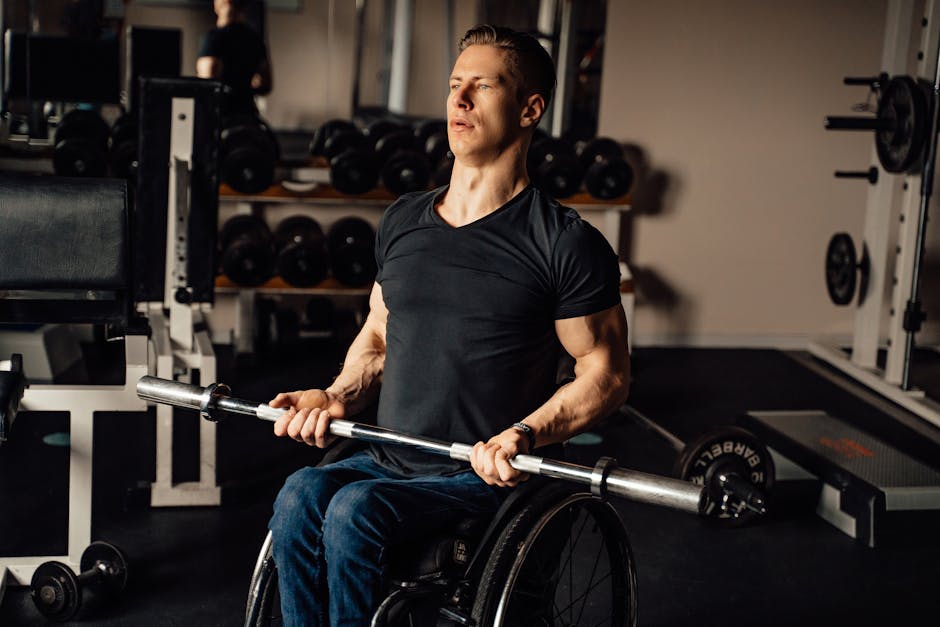
Exercise Daily _ AI Wearable For Heart Rate Variability Tracking
In the age of technology, the integration of artificial intelligence (AI) into health and fitness has sparked a revolution. One of the most debated advancements is the use of AI wearables for tracking heart rate variability (HRV). While proponents hail these devices as game-changers for health monitoring and stress management, critics argue that they may contribute to misinformation and over-reliance on technology. This article aims to unpack the complexities surrounding AI wearables for HRV tracking, examining both the benefits and pitfalls, and providing evidence-based insights into their effectiveness.
Explore more in our Natural Remedies section.
Explore more in our Nutrition section.
Explore more in our Exercise section.
Understanding Heart Rate Variability
Heart rate variability refers to the fluctuation in time intervals between consecutive heartbeats. It is a crucial indicator of autonomic nervous system function, reflecting the body’s ability to respond to stress and environmental changes. Higher HRV is generally associated with better cardiovascular fitness and resilience to stress, whereas lower HRV can indicate potential health issues, including anxiety, depression, and cardiovascular diseases.
Research has established a significant connection between HRV and overall health. According to a study published in the Journal of the American College of Cardiology, higher HRV is linked to lower mortality rates and better health outcomes in various populations (Kleiger et al., 2005). Thus, tracking HRV can provide valuable insights into an individual’s health status.
The Rise of AI Wearables
Test Product Table
| Photo | Title | Price | Buy |
|---|---|---|---|

|
USDA Organic Vitamin A Liquid Drops Supplement. Vegan High Bioavailability | $21.95 |

|

|
NatureWise Multivitamin for Women + Stress Support with Organic Whole Foods & Natural Minerals - B-Complex + Vitamin C + D3 K2 for Immunity, Hair, Skin & Nails - Non-GMO - 60 Capsules[30-Day Supply] | $22.99 |
|

|
MARYRUTH'S USDA Organic Vitamin A Liquid Drops, Unflavored, 1 oz | $17.95 |
|

|
NATURELO Vitamin D3 5000 IU, Joint Support & Bone Health, 180 Count | $30.95 |
|

|
Certified Organic Vitamin A 5000 IU Supplement Capsules. High Potency | $21.95 |
|

|
TruWild Protect+ Vegan Immune Support & Antioxidant, All Natural Vitamin C, Zinc, Magnesium, Resveratrol, Acai, Non GMO, Gluten Free Capsule Supplement Made in the USA cGMP, 30 Servings |
|
|

|
Why Not Natural Vitamin A Drops 10000 IU - Liquid retinyl Palmitate with Coconut MCT Oil, Vegan VIT A Supplement for Skin - 1 oz sublingual Tincture | $18.97 |
|

|
Glow Prenatal Vitamins for Women with Folate & DHA, 60 Vegetarian Capsules | $29.99 |
|

|
NATURELO Vitamin D3 2500 IU, Joint Support & Bone Health, 180 Count | $27.95 |
|

|
pH Quintessence® – Daily Greens Support for pH Balance & Metabolic Health | 40:1 Alfalfa-Based Formula for Alkalinization, Detoxification & Hormone Metabolism Support (270 Vegan Capsules) | $99.85 |
|

|
Staying Cool Hot Flash Relief for Women - Menopause Relief, 60 Capsules | $29.99 |
|

|
Biotin 5000 mcg Hair Growth Vitamins for Women & Men, 120 Capsules | $19.99 |
|

|
Lactation Supplement - Organic Moringa Capsules for Breastfeeding Support to Increase Breastmilk Supply (120 ct) Pure Malunggay Leaf Powder for Milk Production Booster & Postnatal Vitamins A E K 500mg | $29.95 |
|

|
Natural Nutra Vitamin A 10000 IU Softgels, Vitamin A 100 Count | $19.95 |
|

|
Vitamin A, Retinyl Palmitate, 90 VCaps, 15000IU, Hand Made, Non-GMO, & Gluten Free (Pack of 1) | $26.98 |
|

|
Mason Natural, Red Yeast Rice, 1200 mg, 60 Count (Pack of 3), Herbal Dietary Supplements May Help Maintain Healthy Cholesterol and Promote Circulation | $22.47 |
|

|
Power By Naturals Sea Moss Plus - USDA Organic Irish Sea Moss Capsules | $22.75 |
|

|
Longview Farms® Emu Oil Gel Capsules | 100% Pure Emu Oil for Skin Health, Mobility, and General Wellness | Natural Omega 3, 6, 9, and Essential Vitamins | 60 Capsules | $39.49 |
|

|
Nordic Naturals Vitamin A + Carotenoids, Unflavored - 30 Soft Gels - Lycopene & Astaxanthin - Supports Skin, Cellular Health - Non-GMO - 30 Servings | $12.71 |
|
As an Amazon Associate, Exercise Daily earns from qualifying purchases. This post may contain affiliate links. Last updated: October 2, 2026
AI wearables, such as smartwatches and fitness trackers, have become increasingly popular for monitoring various health metrics, including HRV. These devices utilize advanced algorithms to analyze heart rate data, providing users with real-time feedback on their HRV levels. Popular devices include the Apple Watch, Fitbit, and WHOOP, among others. The appeal of these wearables lies in their convenience and the promise of personalized health insights.
Benefits of AI Wearables for HRV Tracking
Proponents of AI wearables for HRV tracking highlight several key benefits:
- Real-time Monitoring: AI wearables provide continuous HRV monitoring, allowing users to track fluctuations throughout the day and during exercise.
- Data-Driven Insights: These devices offer personalized feedback based on individual data patterns, helping users make informed decisions about their health and fitness routines.
- Stress Management: By tracking HRV, users can identify stress triggers and implement strategies to mitigate their effects, improving overall well-being.
- Motivation and Accountability: Wearables can motivate users to engage in healthier behaviors, such as regular exercise and mindfulness practices.
Counterarguments: What Most People Get Wrong
Despite the advantages, there are significant concerns and misconceptions surrounding the use of AI wearables for HRV tracking:
Over-reliance on Technology
Many users may become overly dependent on their devices, interpreting HRV readings as definitive health indicators. This reliance can lead to anxiety and stress, particularly if users fail to understand the nuances of HRV data. A study published in Frontiers in Psychology suggests that excessive monitoring can result in “quantified self” anxiety, where individuals obsess over their metrics rather than focusing on their overall health (Keller et al., 2020).
Data Accuracy
Another critical point of contention is the accuracy of HRV measurements from wearables. While these devices utilize sophisticated algorithms, they are not infallible. A review in the European Journal of Applied Physiology indicates that consumer-grade wearables can produce variable accuracy compared to clinical-grade devices (Buchheit & Papadopoulos, 2019). Users may misinterpret inaccurate data, leading to misguided health decisions.
Individual Variability
HRV is influenced by a multitude of factors, including age, fitness level, and lifestyle. Many users fail to consider these variables when interpreting their HRV data. For instance, a sedentary individual may have very different HRV patterns compared to an athlete. This variability can lead to misleading conclusions if users do not contextualize their readings within their unique health profiles.
Integrating AI Wearables into a Holistic Health Approach
Given the potential pitfalls, it is crucial to approach the use of AI wearables for HRV tracking with a balanced perspective. Here are some recommendations for integrating these devices into a holistic health strategy:
- Educate Yourself: Understand the fundamentals of HRV and how it relates to your health. This knowledge will help you interpret your data more effectively.
- Use Wearables as a Tool, Not a Crutch: While wearables can provide valuable insights, they should complement, not replace, traditional health practices. Focus on overall well-being rather than fixating on individual metrics.
- Consult Healthcare Professionals: Regularly discuss your HRV data and overall health with a qualified healthcare provider. They can help contextualize your readings and guide you in making informed decisions.
- Incorporate Lifestyle Changes: Use your HRV data to inform lifestyle choices, such as improving sleep hygiene, engaging in regular exercise, and practicing stress management techniques.
The Future of AI Wearables in HRV Tracking
The future of AI wearables for HRV tracking is promising but requires careful consideration. As technology advances, we may see improvements in data accuracy and user experience. For instance, the integration of machine learning algorithms could enhance the predictive capabilities of these devices, providing users with more personalized insights.
However, it is essential to remain vigilant about the limitations of these technologies. As health technology continues to evolve, ongoing research is necessary to ensure that AI wearables provide reliable and actionable health information. Moreover, regulatory bodies must establish standards to ensure the accuracy and safety of health monitoring devices.
Conclusion
AI wearables for heart rate variability tracking offer a unique opportunity for individuals to monitor their health and fitness in real-time. While they come with numerous benefits, users must navigate the challenges of data accuracy, over-reliance on technology, and individual variability. By adopting a holistic approach and using wearables as part of a broader health strategy, individuals can harness the power of technology to improve their well-being.
In conclusion, while AI wearables can be valuable tools for tracking HRV, they should be used with caution and complemented by professional guidance and lifestyle adjustments. As we move forward, a balanced perspective on the role of technology in health will be essential for maximizing its benefits while minimizing its drawbacks.
For more insights on fitness and wellness strategies, check out our articles on fitness and wellness.
- Kleiger, R. E., Miller, J. P., Bigger, J. T., & Moss, A. J. (2005). Decreased heart rate variability and its association with increased mortality after myocardial infarction. Journal of the American College of Cardiology.
- Keller, M., Schaefer, M., & Zoller, J. (2020). Digital Health: The Role of Self-Monitoring in Health Anxiety. Frontiers in Psychology.
- Buchheit, M., & Papadopoulos, M. (2019). The use of heart rate variability in exercise science: A narrative review. European Journal of Applied Physiology.
- World Health Organization (WHO). (2021). Health and well-being. WHO.
These are for informational purposes only. Consult your doctor and do your own research before use.
Eat daily, sleep daily, exercise daily.