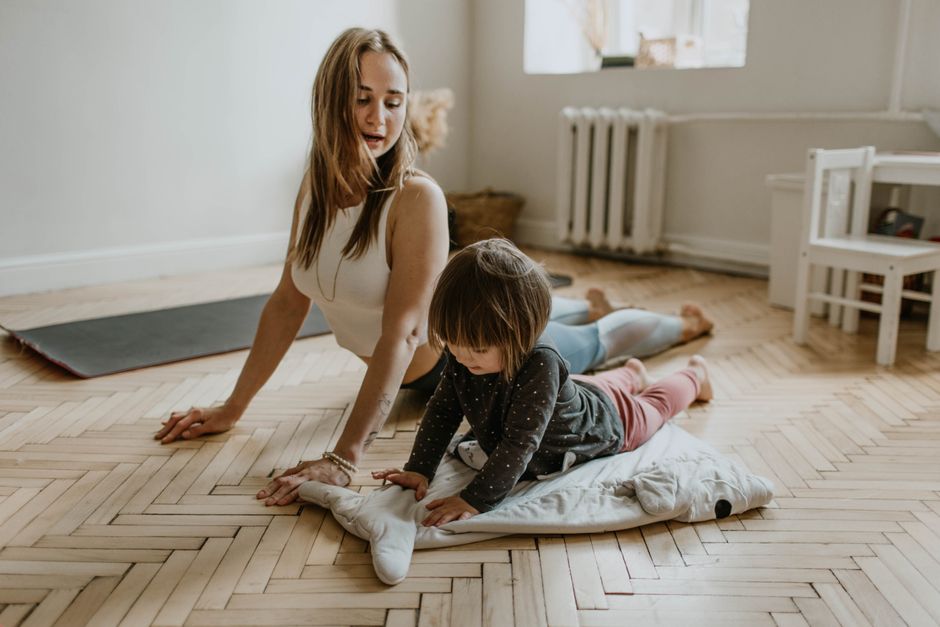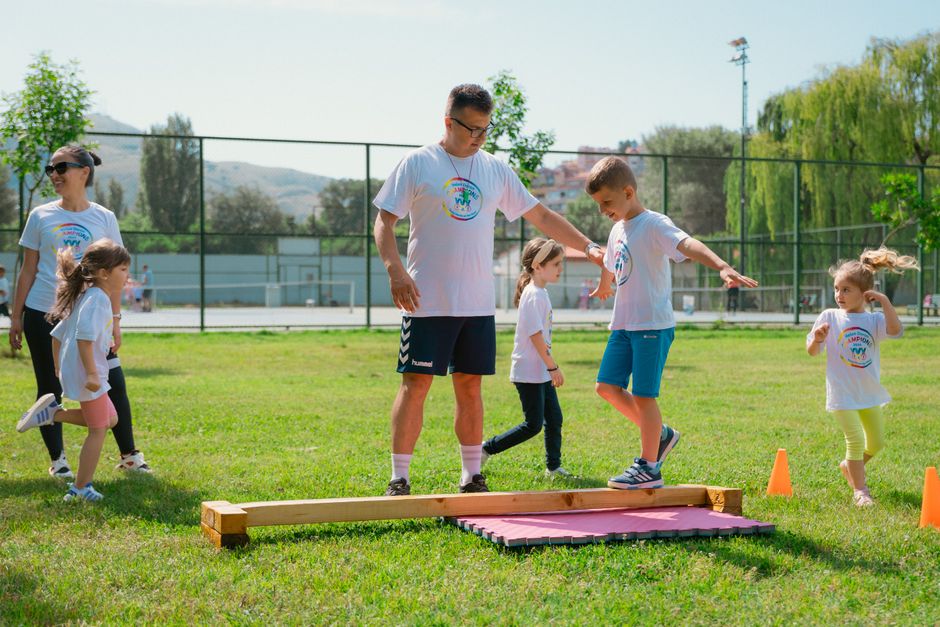
Coordination drills can help young beginners practice balance, timing, and body awareness through simple movement. The best activities are easy to explain, short enough to hold attention, and adjusted to the child’s age and ability. Start with a clear area, a calm pace, and one activity at a time.
Before you begin
Choose a flat, open area and remove obstacles. A parent, coach, or responsible adult should supervise when needed. Use soft equipment, keep instructions simple, and make the goal good control rather than competition.
Seven beginner coordination drills for youth
1. March and clap
March in place while clapping once each time the right knee lifts, then twice each time the left knee lifts. Continue for 30 seconds. This introduces a simple rhythm and helps children notice which side of the body is moving.
2. Color-marker steps
Place three or four colored markers, paper squares, or safe objects on the floor. Call out one color at a time and have the child step to it, pause, and return to the start. Begin with walking; add a side-step only when the movement stays controlled.
3. Balance-path walk
Make a short path with tape or a floor seam. Walk heel to toe along the path, then turn around and return. Keep a stable support nearby for younger children or anyone who needs it. Count smooth steps instead of trying to move quickly.
4. Soft-ball toss and catch
Use a soft ball. Toss it gently from a short distance and ask the child to watch it into both hands. Try 10 catches, then switch the throwing hand or take one small step farther apart. Avoid hard or fast throws.
5. Beanbag target toss
Place a bucket, hoop, or taped target on the floor. From a comfortable distance, make 10 gentle beanbag or soft-ball tosses. A target gives the activity a clear goal while allowing each child to work at an appropriate pace.
6. Follow-the-leader steps
An adult or older partner leads with simple actions: step forward, step back, reach up, turn slowly, or tap a marker. The child copies one action at a time. Change leaders after a minute so the activity stays playful and focused.
7. Rhythm step pattern
Use a simple pattern such as “step, step, pause” or “right, left, clap.” Repeat the same pattern for 20 seconds before changing it. The value comes from repeating a manageable sequence with attention.
A 10-minute beginner session
| Time | Activity | Goal |
|---|---|---|
| 2 minutes | March and clap | Rhythm and side awareness |
| 2 minutes | Color-marker steps | Listening and foot placement |
| 2 minutes | Balance-path walk | Slow, controlled balance |
| 2 minutes | Soft-ball toss and catch | Tracking and catching |
| 2 minutes | Choose one favorite activity | Positive repetition |
How to keep practice useful
- Give one short instruction at a time.
- Use the same drill for several attempts before changing it.
- Celebrate controlled effort rather than speed or comparison.
- Let children rest or return to an easier version when concentration fades.
Related youth movement guides
As confidence grows, progress to best exercises to improve coordination, agility exercises for teens at home, or soccer balance drills for kids for more age-appropriate movement practice.
When to pause
Stop an activity if the child has pain, dizziness, a fall, or an unexpected change in balance or coordination. Seek individualized advice from a qualified health professional when concerns persist.
Frequently asked questions
How long should beginner coordination practice last?
Short sessions are usually easier for young beginners to follow. Around 10 minutes of focused activity can be enough when the drills are simple and the child remains engaged.
Do I need special equipment?
No. Soft balls, beanbags, tape, and safe household markers can work well. The practice space and supervision matter more than specialized gear.
This article is for general educational purposes and is not a substitute for individualized medical, therapeutic, or coaching advice.