Exercise Daily _ Core Strengthening After Pregnancy
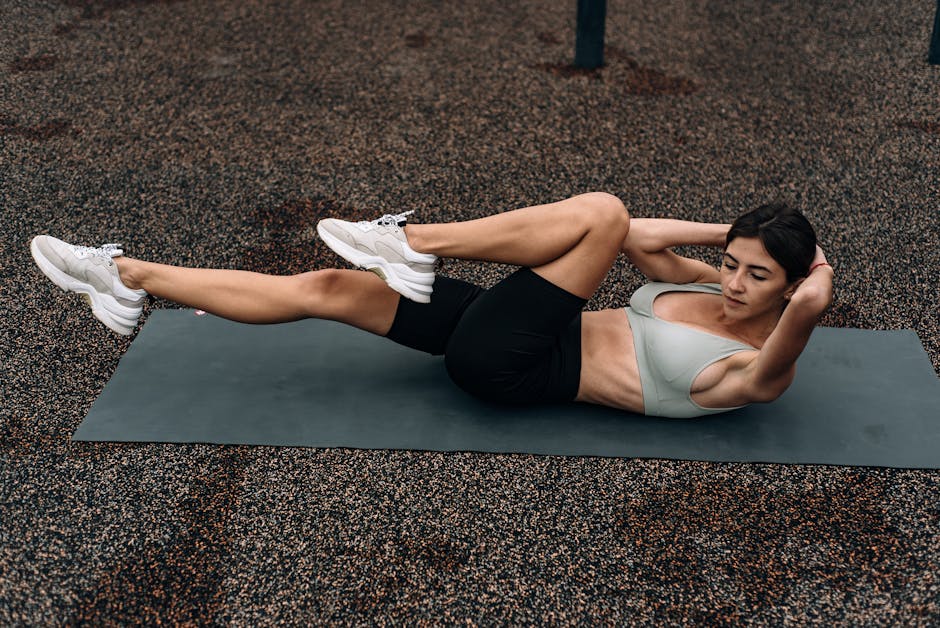
Many new mothers mistakenly believe that doing traditional crunches or sit-ups is the best way to regain their core strength after pregnancy. This is not only ineffective but can also lead to further complications, including diastasis recti and pelvic floor dysfunction. The postpartum body requires a different approach, focusing on stability, functional strength, and gradual progression to safely rebuild the core muscles that may have weakened during pregnancy and childbirth.
Who This Is For
- New mothers looking to regain core strength safely.
- Women recovering from a C-section or vaginal delivery.
- Busy adults seeking efficient and effective workouts.
- Fitness enthusiasts wanting to integrate postpartum exercises into their routine.
- Anyone interested in improving overall core stability and pelvic health.
What Most People Get Wrong


As an Amazon Associate, Exercise Daily earns from qualifying purchases. This post may contain affiliate links. Last updated: September 30, 2026
One of the biggest misconceptions surrounding core strengthening after pregnancy is the belief that traditional abdominal exercises will suffice. Many women fall into the trap of immediately returning to high-intensity workouts or traditional ab routines, not realizing that these methods can exacerbate existing issues. According to a study published in the Journal of Women’s Health, performing high-impact or high-resistance abdominal exercises too soon can worsen diastasis recti, a condition characterized by an abnormal separation of the abdominal muscles.
Furthermore, the focus on aesthetics—such as achieving a flat stomach—often overshadows the need for functional strength. The core is not merely a visual aspect of fitness; it plays a critical role in stabilizing the spine and pelvis, which is vital for overall physical health. Women should prioritize exercises that enhance stability and strength rather than solely focusing on appearance.
In addition, many new mothers may feel pressured by societal standards to return to their pre-pregnancy bodies quickly. This pressure can lead to frustration and disappointment when results do not come as quickly as hoped. It’s essential to remember that each body is unique, and recovery takes time. Emphasizing health and functional capabilities over superficial appearance can lead to a more positive postpartum experience.
Why This Actually Works
The key to effective postpartum core strengthening is to start with exercises that engage the deep core muscles, particularly the transverse abdominis, pelvic floor, and obliques. These muscles support the spine and pelvis and are crucial for everyday movements. Research from the National Institutes of Health emphasizes the importance of gradually reintroducing core exercises to enhance recovery and prevent injury.
For example, exercises such as pelvic floor contractions (Kegels), diaphragmatic breathing, and modified planks can activate the core without putting undue stress on the abdominal wall. These methods encourage proper muscle engagement and help restore function. A study in the American Journal of Obstetrics and Gynecology found that women who followed a progressive core strengthening program reported improved pelvic stability and reduced back pain.
Moreover, engaging in core-strengthening activities can also improve posture, which is often compromised during pregnancy and after childbirth. Proper posture is essential not only for core strength but also for overall body alignment and function, influencing everything from breathing to the efficiency of movement patterns in daily activities. Therefore, a strong core can contribute to a more active and pain-free lifestyle.
Starting with the Basics
Before jumping into more complex movements, it’s essential to establish a foundation. Here are some effective exercises to begin with:
- Diaphragmatic Breathing: Lie on your back with knees bent. Place one hand on your chest and the other on your abdomen. Inhale deeply through your nose, allowing your belly to rise, then exhale through your mouth. This exercise engages the diaphragm and promotes core awareness. By focusing on your breath, you can also help reduce stress and improve relaxation, which is beneficial for overall postpartum recovery.
- Pelvic Floor Contractions: While lying down or sitting, tighten your pelvic floor muscles as if you’re trying to stop urination. Hold for a few seconds, then relax. Repeat several times. This practice strengthens the pelvic floor, which is crucial postpartum. Incorporating this exercise into your daily routine can significantly enhance pelvic stability and support bladder control.
- Modified Plank: Start on your hands and knees, keeping your shoulders above your wrists. Engage your core and hold this position for 10-30 seconds. This variation reduces strain on the abdominal wall while building core strength. Progressively increase the duration as your strength improves, and consider adding variations like lifting one arm or leg to challenge your balance.
Progressing to Intermediate Exercises
Once you’ve mastered the basics, you can gradually introduce more challenging movements. Consider the following:
- Side-Lying Leg Lifts: Lie on your side with your legs stacked. Lift your top leg while keeping your core engaged. This exercise targets the obliques and hip stabilizers, which are critical for maintaining balance and stability in daily activities. As you progress, consider adding ankle weights for an additional challenge.
- Dead Bug: Lie on your back with your arms extended toward the ceiling and knees bent at 90 degrees. Slowly lower one arm and the opposite leg toward the floor, then return to the starting position. This movement improves coordination and core stability. Focus on controlled movements to maximize effectiveness and minimize the risk of injury.
- Bird Dog: Start on your hands and knees. Extend one arm forward and the opposite leg back while keeping your core tight. This exercise enhances balance and strengthens the back and abdominal muscles. As you become more comfortable, try holding the extended position for longer durations to challenge your stability further.
Additional Considerations
It’s crucial to listen to your body and consult with a healthcare provider or a qualified postpartum fitness professional before starting any new exercise program. Each woman’s recovery journey is unique, and personalized guidance can help address specific concerns, such as diastasis recti or pelvic floor issues. Consider seeking out a specialist in postpartum rehabilitation who can provide tailored exercises and monitor your progress.
Moreover, consider integrating core-strengthening exercises into your daily routine. Short, frequent workouts are more beneficial than long sessions that may lead to fatigue or injury. Aim for consistency rather than intensity, focusing on quality over quantity. Setting aside just 10-15 minutes a day for core exercises can yield significant results over time, especially when combined with other forms of physical activity like walking or gentle stretching.
Additionally, remember that nutrition plays a vital role in recovery. Eating a balanced diet rich in vitamins, minerals, and protein can support muscle repair and overall health. Staying hydrated is equally important, as it aids in recovery and energy levels. Consider consulting with a nutritionist who specializes in postpartum health to ensure you are meeting your body’s needs during this transformative time.
Frequently Asked Questions
1. How soon after giving birth can I start core exercises?
Most healthcare providers recommend waiting at least 6-8 weeks after a vaginal delivery and 8-12 weeks after a C-section before starting any core exercises. Always consult your doctor first. Every woman’s body heals at its own pace, and it’s essential to follow medical advice tailored to your specific situation.
2. What if I have diastasis recti?
If you have diastasis recti, it’s crucial to focus on exercises that promote healing rather than those that could worsen the condition. Consult a physical therapist specializing in postpartum recovery for tailored exercises. They can provide you with a comprehensive assessment and a personalized program to help close the gap and strengthen your core safely.
3. Can I do high-impact exercises after pregnancy?
High-impact exercises are generally not recommended until your core strength is adequately restored. Focus on low-impact, stability-building exercises first, and gradually progress as your strength increases. Listening to your body is key; if you experience pain or discomfort during any activity, it may be a sign to scale back and reassess your approach.
Conclusion
Core strengthening after pregnancy is a journey that requires patience, understanding, and a strategic approach. By debunking common myths and focusing on effective exercises that promote stability and health, new mothers can regain their strength and confidence. Remember, the goal is not just to regain your pre-pregnancy body but to enhance your overall wellness. Embracing this journey can empower you to build a stronger foundation for both your physical health and your daily life. For more information on postpartum fitness, check out our other articles on exercise and fitness.
Eat daily, sleep daily, exercise daily.