Top 5 This Week

Related Posts

How To Reduce Muscle Soreness Naturally | Exercise Daily

How To Reduce Muscle Soreness Naturally | Exercise Daily

Many believe that muscle soreness is an unavoidable consequence of exercise, but that’s a myth. While some level of muscle soreness, known as delayed onset muscle soreness (DOMS), can occur after intense workouts, there are effective natural methods to reduce muscle soreness. Understanding how to reduce muscle soreness naturally can help you recover faster and get back to your routine without unnecessary discomfort. For more help, see our exercise training guides.

Who This Is For

  • Beginners looking to ease into a new workout routine without excessive soreness.
  • Athletes wanting to optimize recovery between training sessions.
  • Busy adults needing quick recovery solutions to maintain their fitness regimen.
  • Parents who want to stay active but face time constraints and muscle fatigue.
  • Individuals recovering from injuries who want to minimize muscle soreness during rehabilitation.

What Most People Get Wrong

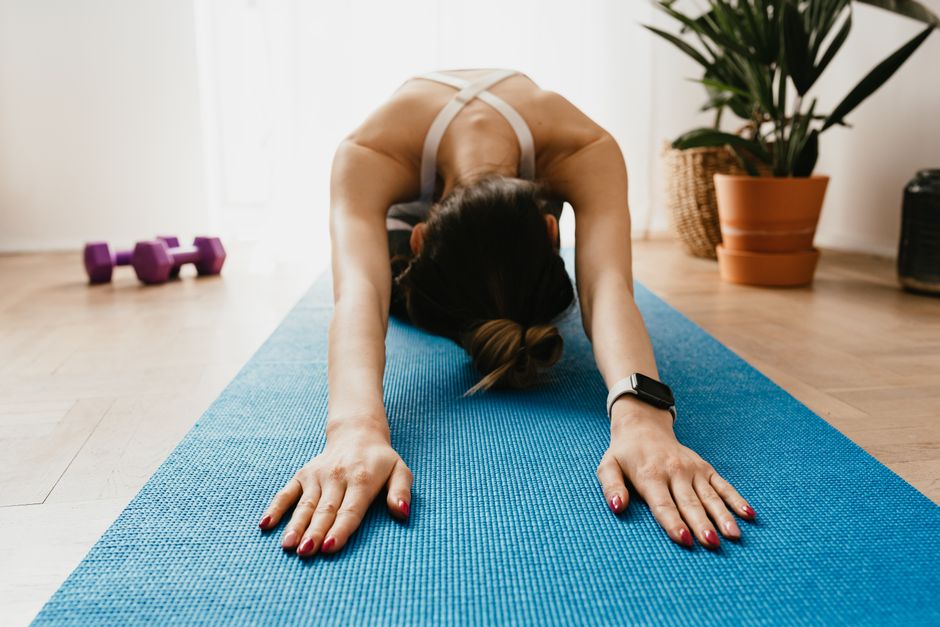
One common misconception is that the only way to deal with muscle soreness is to complete a full rest period. While rest is important, many overlook the benefits of active recovery and other natural remedies. For instance, gentle movement and stretching can promote blood flow to sore muscles, accelerating recovery rather than exacerbating the soreness. For more help, see our exercise training guides.

Additionally, some individuals rely heavily on over-the-counter pain relievers to manage their discomfort. While these can provide short-term relief, they often mask underlying issues and do not address the root cause of muscle soreness. Embracing a holistic approach that includes nutrition, hydration, and natural remedies can be far more effective. It is essential to recognize that the body responds to holistic care by enhancing its natural healing processes, leading to quicker recovery and less discomfort. For more help, see our fitness performance tips.

Why This Actually Works

The body’s natural recovery processes are enhanced by several factors, including adequate hydration, proper nutrition, and active recovery techniques. These methods foster an environment that supports muscle repair. For example, hydration helps transport nutrients to muscles and flush out toxins, while anti-inflammatory foods can aid in reducing muscle soreness. Proper hydration not only helps in muscle recovery but also improves overall bodily functions, including digestion and energy levels.

Research indicates that certain natural remedies, such as turmeric and ginger, possess anti-inflammatory properties that can reduce muscle soreness when incorporated into your diet. A systematic review published in the PubMed journal highlights the effectiveness of these natural compounds in managing post-exercise soreness. These natural substances not only help in muscle recovery but also provide other health benefits, such as improved immune function and reduced risk of chronic diseases.

Mistakes to Avoid

To effectively manage muscle soreness, avoiding certain common pitfalls is crucial:

  • Neglecting Hydration: Dehydration can intensify muscle soreness and impede recovery. Ensure you drink enough water before, during, and after workouts to maintain optimal hydration levels.
  • Ignoring Nutrition: Skipping post-workout nutrition can slow muscle recovery. Focus on protein and anti-inflammatory foods that aid in muscle repair and growth.
  • Overdoing Stretching: While stretching is beneficial, excessive or aggressive stretching can lead to more muscle damage. Stick to gentle stretches that enhance flexibility without causing further strain.
  • Resting Too Much: Complete rest can lead to stiffness. Incorporate light movement to promote blood flow and facilitate recovery.
  • Rushing Recovery: Trying to push through soreness without allowing adequate recovery time can lead to injury. Listen to your body and give it the time it needs to heal properly.

Natural Remedies to Reduce Muscle Soreness

Here are some effective natural strategies to alleviate muscle soreness:

1. Active Recovery

Engaging in light exercises, such as walking, cycling, or swimming, can enhance blood circulation and help clear lactic acid build-up in muscles. Aim for 20-30 minutes of light activity after intense workouts. This not only helps in reducing soreness but also keeps your body in a state of motion, which is beneficial for overall fitness.

2. Hydration

Drinking plenty of fluids is essential. Aim for at least half your body weight in ounces of water daily, and consider electrolyte-rich drinks post-exercise to replenish lost minerals. Electrolytes play a crucial role in muscle function and recovery, helping to prevent cramps and maintain performance levels.

3. Nutrition

Incorporate foods rich in antioxidants and anti-inflammatory properties. Some examples include:

  • Turmeric: Contains curcumin, which has been shown to reduce muscle soreness and inflammation.
  • Ginger: Another anti-inflammatory, ginger can help alleviate pain and soreness, making it an excellent addition to post-workout meals or teas.
  • Leafy Greens: Spinach and kale are rich in vitamins and minerals that support muscle health and recovery, including magnesium, which is vital for muscle function.
  • Berries: High in antioxidants, they help combat oxidative stress caused by intense workouts, promoting quicker recovery.
  • Bananas: Rich in potassium, bananas help maintain electrolyte balance and prevent muscle cramps.

4. Foam Rolling

Foam rolling can help release muscle tightness and improve blood circulation. Use a foam roller on sore muscles for 10-15 minutes after workouts, focusing on areas that feel tight. This self-myofascial release technique can significantly reduce muscle soreness and improve overall mobility.

5. Epsom Salt Baths

Soaking in a warm bath with Epsom salts can help reduce inflammation and soothe sore muscles. Aim for a 15-20 minute soak, and remember to hydrate afterward. The magnesium in Epsom salts is absorbed through the skin, helping to relax muscles and promote recovery.

6. Sleep

Quality sleep is vital for muscle recovery. Aim for 7-9 hours of uninterrupted sleep per night to allow your body to repair and rejuvenate. During sleep, the body releases growth hormones that play a significant role in muscle repair and growth, making quality rest essential for anyone serious about fitness.

Practical Example Recovery Routine

Here’s a simple recovery routine you can follow after an intense workout:

  1. Cool Down: Spend 5-10 minutes doing light activity to gradually lower your heart rate. This can include walking or gentle cycling.
  2. Hydrate: Drink a protein shake or water with electrolytes to replenish lost fluids and nutrients.
  3. Foam Roll: Focus on areas that feel tight for about 10 minutes. Target common areas such as the quads, hamstrings, and back.
  4. Stretch: Incorporate gentle static stretches for 10 minutes to improve flexibility and reduce tightness.
  5. Nutrition: Have a balanced meal rich in protein and healthy fats within 60 minutes post-workout. Include foods like grilled chicken, quinoa, and steamed vegetables.
  6. Rest: Prioritize getting a good night’s sleep to maximize recovery processes.

Effective Natural Remedies Comparison Table

Natural Remedy Use Case Benefit Caution Best For
Turmeric Supplement or spice Reduces inflammation and muscle soreness High doses may cause stomach issues Active individuals
Ginger Tea or supplement Alleviates muscle pain and soreness May interact with blood thinners Athletes
Epsom Salt Bath soak Relieves muscle tension and soreness Not for open wounds Post-workout recovery
Foam Rolling Self-massage Improves circulation and reduces tightness May cause discomfort if done too aggressively All fitness levels

Frequently Asked Questions

1. How long does muscle soreness last?

Muscle soreness typically peaks 24-72 hours after exercise and can last anywhere from a few days to a week, depending on the intensity of the workout and individual recovery practices. Factors such as age, fitness level, and overall health can also influence the duration of soreness.

2. Should I exercise if I’m sore?

Yes, light activity can help alleviate soreness. Opt for low-impact exercises that promote blood flow without overexerting your muscles. Activities like yoga, swimming, or gentle cycling can be excellent choices to keep your body moving while aiding recovery.

3. Can diet help with muscle soreness?

Absolutely! Incorporating anti-inflammatory foods and staying hydrated can significantly reduce soreness and support recovery. Foods rich in omega-3 fatty acids, such as salmon and walnuts, can also be beneficial in reducing inflammation.

4. Are there any supplements that help reduce muscle soreness?

Supplements like omega-3 fatty acids, curcumin, and branched-chain amino acids (BCAAs) may help reduce muscle soreness and promote recovery. Always consult with a healthcare professional before starting any new supplement regimen to ensure safety and appropriateness for your individual needs.

5. What are the signs of excessive muscle soreness?

Excessive soreness may include severe pain, swelling, or inability to perform normal activities. If these symptoms occur, consider consulting a healthcare professional. It is crucial to differentiate between normal soreness and signs of potential injury to avoid long-term damage.

Conclusion

Understanding how to reduce muscle soreness naturally can transform your recovery process and enhance your overall fitness journey. By integrating strategies like hydration, nutrition, active recovery, and natural remedies, you’ll not only ease discomfort but also improve your performance in the long run. Embrace these practices, listen to your body, and stay committed to your fitness goals, ensuring that you maintain a balanced approach to your health and wellness.

    References
  • Effects of turmeric on muscle recovery
  • Ginger’s role in muscle soreness
  • The benefits of hydration for muscle recovery
  • Epsom salt and muscle relaxation
  • Eat daily, sleep daily, exercise daily.

    LEAVE A REPLY

    Please enter your comment!
    Please enter your name here

    18 + nine =

    Popular Articles