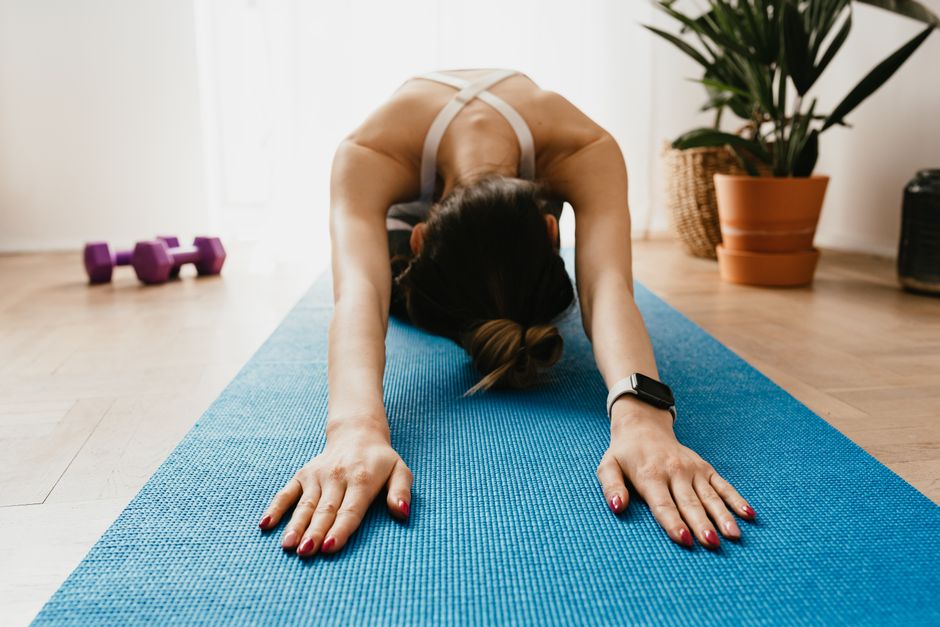
Muscle soreness after a new or demanding workout is common. It often improves with time, but the best response is usually practical: keep moving comfortably, recover well, and avoid turning one hard session into a pattern of overdoing it.
What can help with normal soreness
Keep moving gently
Easy walking, light cycling, or a comfortable mobility session can feel better than staying still all day. Keep the effort low and stop if movement worsens pain.
Return to basics
Drink fluids, eat regular balanced meals, and protect your sleep. These habits support recovery without relying on quick fixes.
Use comfortable heat or cold
Some people find a warm shower, a cool pack, or another comfortable approach helpful for short-term comfort. Choose what feels reasonable for you and protect your skin.
Adjust the next workout
Reduce intensity, choose a different muscle group, or take a rest day when soreness is significant. Consistency is more useful than pushing through poor form.
A simple recovery plan
On the day after a hard session, try a brief walk, gentle range-of-motion work, a normal meal, and an earlier bedtime. Resume harder training as you feel ready.
Related guides
Pair these habits with post-workout recovery basics, recovery exercises, and gentle hip mobility.
When soreness needs attention
Seek prompt medical care for severe pain, major swelling, weakness that is unusual for you, dark urine, fever, a suspected injury, or symptoms that do not improve as expected. This guide is for normal post-exercise soreness, not injury diagnosis.
This article is general education, not individualized medical advice.