Top 5 This Week

Related Posts

Best Hydration Tips For Athletes | Exercise Daily

Best Hydration Tips For Athletes | Exercise Daily

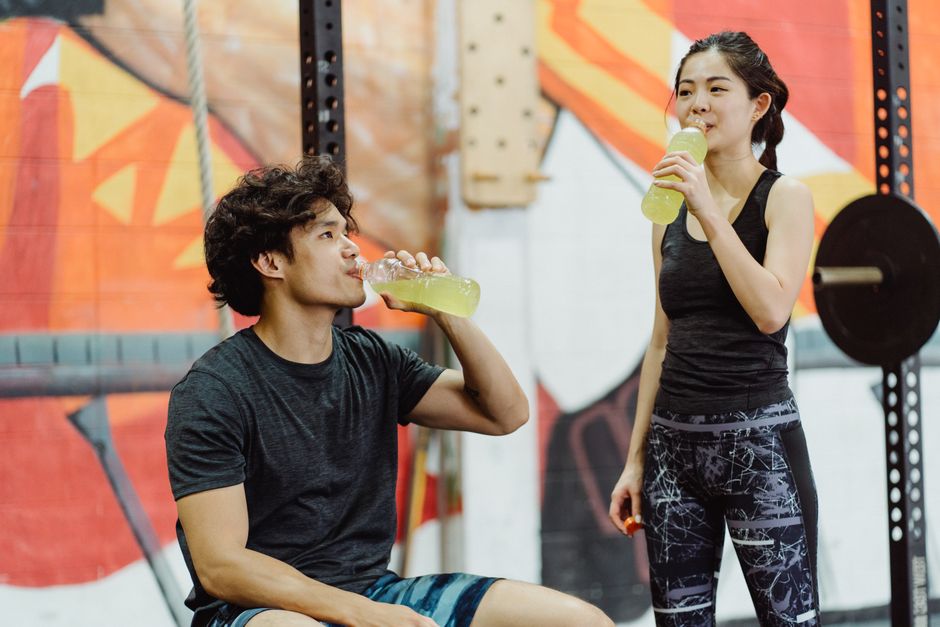
Many athletes believe that drinking water only when they’re thirsty is enough, but this can lead to dehydration and impaired performance. Proper hydration is a critical aspect of athletic performance that is often overlooked. Understanding the best hydration tips for athletes can help you maintain peak performance, enhance recovery, and prevent injuries. For more help, see our exercise training guides.

Who This Is For

  • Beginners who are new to sports and exercise.
  • Competitive athletes looking to improve performance.
  • Busy adults trying to maintain an active lifestyle.
  • Parents who want to keep their kids hydrated during sports.
  • Gym-goers looking to enhance their workouts.

What Most People Get Wrong

One of the most common misconceptions about hydration is that you can drink fluids just before or during exercise to catch up on hydration. This myth can be detrimental, as it often leads to not drinking enough throughout the day. Effective hydration is about consistent fluid intake before, during, and after exercise. Athletes must recognize that hydration is a daily commitment rather than a last-minute fix. For more help, see our exercise training guides.

Another mistake is assuming that all fluids are equal. While water is essential, relying solely on it during intense workouts may not be sufficient. Sports drinks can provide electrolytes and carbohydrates that are critical during prolonged activities. For instance, during a marathon, runners can lose significant amounts of sodium through sweat, making it essential to replenish those electrolytes to maintain performance levels. For more help, see our exercise training guides.

Why This Actually Works

Hydration is crucial for maintaining blood volume, regulating body temperature, and ensuring that your muscles function optimally. Research from the National Institutes of Health shows that even mild dehydration can impair athletic performance and cognitive function. Dehydration can lead to decreased endurance, increased fatigue, and impaired concentration, all of which can negatively impact performance.

Drinking fluids regularly helps to keep your body in a state of homeostasis, allowing you to perform at your best. Additionally, proper hydration can aid in recovery by reducing muscle soreness and fatigue after workouts. Proper hydration promotes better circulation, which can facilitate nutrient delivery to muscles and help remove metabolic waste products. This process is vital for recovery, especially after intense training or competition.

Mistakes to Avoid

  • Ignoring hydration before workouts: Hydrating in advance is just as important as drinking during and after exercise. Athletes should aim to start hydrating at least a few hours before their activity.
  • Overconsumption of caffeine: Caffeinated drinks can lead to increased urine output, which may contribute to dehydration. While moderate caffeine intake can enhance athletic performance for some, it should be balanced with adequate hydration.
  • Relying solely on thirst: Thirst is not always an accurate indicator of hydration needs, especially during intense activities. Athletes should pay attention to their body’s signals and establish a proactive hydration routine.

Hydration Tips for Athletes

Here are some practical tips to ensure you stay hydrated:

Beginner Tips

  • Start Early: Begin hydrating the day before your event or workout. Aim for at least 2-3 liters of water, depending on your body weight and activity level. This early hydration allows your body to store necessary fluids for optimal performance.
  • Use a Water Bottle: Keep a reusable water bottle with you at all times. This serves as a constant reminder to drink. Choose a bottle that fits your lifestyle, whether it’s a larger container for home or a smaller one for on-the-go.
  • Set Reminders: Use your phone or watch to set hourly reminders to drink water, especially if you tend to forget. This can be particularly useful during busy days when you might lose track of time and hydration.

Advanced Tips

  • Monitor Urine Color: A light yellow color indicates good hydration. Dark urine suggests dehydration. Athletes should regularly check their urine color as an easy and effective way to gauge their hydration status.
  • Customize Your Electrolyte Intake: If you’re engaging in prolonged exercise (more than an hour), consider electrolyte drinks to replenish lost minerals. Tailoring your intake based on the intensity and duration of your workout will help maintain optimal hydration levels.
  • Plan Your Hydration: For intense training sessions or competitions, plan your fluid intake based on the duration and intensity of your exercise. This may involve calculating how much fluid you need to consume before, during, and after your workouts.

Hydration Strategies for Different Activities

Activity Hydration Strategy Duration Recommended Fluids
Running Drink 500-700ml 2-3 hours before, and sip during 1 hour+ Water or electrolyte drinks
Cycling Drink 500ml 2 hours before, every 15-20 mins during 1 hour+ Water and sports drinks
Weightlifting Stay hydrated throughout the day, sip during 30-90 mins Water

Recovering from Dehydration

If you find yourself dehydrated after intense exercise, here’s how to recover:

  • Rehydrate Slowly: Drink small amounts of water or electrolyte drinks gradually over several hours. This method allows your body to absorb fluids more efficiently and helps avoid gastrointestinal discomfort.
  • Eat Hydrating Foods: Incorporate fruits and vegetables with high water content, like watermelon, cucumbers, and oranges. These foods not only provide hydration but also deliver essential vitamins and minerals that support recovery.
  • Avoid Alcohol and Caffeine: These can exacerbate dehydration, so it’s best to avoid them until you’re fully rehydrated. Instead, focus on hydrating beverages that replenish lost fluids and electrolytes.

Frequently Asked Questions

  1. How much water should I drink daily?
    Most athletes should aim for about 3-4 liters per day, adjusting based on activity level and climate. Factors like temperature, humidity, and individual sweat rates also play a significant role in hydration needs.
  2. Can I rely on sports drinks?
    Sports drinks can be beneficial during prolonged exercise but should not replace water as your primary hydration source. Use them strategically during long workouts or competitions to maintain electrolyte balance.
  3. What are the signs of dehydration?
    Common signs include thirst, dark urine, fatigue, and dizziness. More severe symptoms can include confusion, rapid heartbeat, and fainting, which require immediate attention.
  4. Is it possible to drink too much water?
    Yes, excessive water intake can lead to hyponatremia, a dangerous condition caused by low sodium levels in the blood. Athletes must balance their fluid intake with electrolyte consumption to avoid this risk.

Conclusion

Staying well-hydrated is essential for athletes to maintain performance and support recovery. By implementing these best hydration tips, you can ensure you are fueling your body properly for both training and competition. Remember, proper hydration is an ongoing process that requires attention every day, not just during workouts. Hydration strategies should be personalized based on individual needs, activity levels, and environmental conditions.

For more on fitness and nutrition strategies, explore our nutrition section and enhance your performance today. Eat daily, sleep daily, exercise daily.

    References
  • National Institutes of Health
  • Centers for Disease Control and Prevention
  • American College of Sports Medicine
  • PubMed Central
  • World Health Organization
  • LEAVE A REPLY

    Please enter your comment!
    Please enter your name here

    twenty + six =

    Popular Articles