Natural Foods For Better Athletic Performance | Exercise Daily
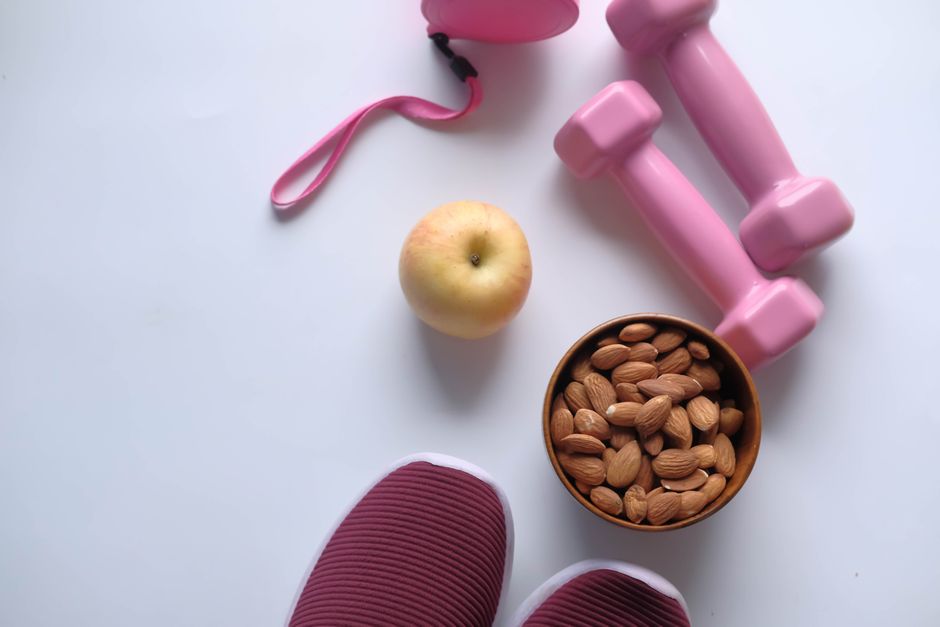
Relying solely on supplements for peak athletic performance is a common misconception that can hinder your progress. Many athletes believe that they need fancy powders and pills to enhance their performance, but the truth is that natural foods can provide the essential nutrients needed for optimal results. By focusing on whole, nutrient-dense foods, you can significantly improve your athletic performance without breaking the bank or compromising your health. For more help, see our exercise training guides.
Who This Is For
- Beginners looking to enhance their fitness journey through nutrition.
- Competitive athletes wanting to boost their performance naturally.
- Busy adults seeking quick and healthy meal options.
- Parents wanting to promote healthy eating habits in their families.
- Gym-goers interested in optimizing their workouts with better nutrition.
What Most People Get Wrong




As an Amazon Associate, Exercise Daily earns from qualifying purchases. This post may contain affiliate links. Last updated: October 16, 2026
One of the biggest mistakes athletes make is underestimating the power of whole foods. Many think they can out-supplement a poor diet, but this simply isn’t true. Whole foods provide a complex array of nutrients that supplements cannot replicate. For instance, while protein powders can help meet your protein needs, they lack the vitamins, minerals, and antioxidants found in real food sources like chicken, beans, and quinoa. These nutrients play vital roles in muscle repair, energy production, and overall health, supporting your athletic endeavors more effectively than any supplement could. For more help, see our exercise training guides.
Another common error is focusing too heavily on macronutrients (proteins, fats, carbohydrates) while neglecting micronutrients (vitamins and minerals). Micronutrients play a crucial role in energy production, muscle contraction, and recovery. A diet rich in colorful fruits and vegetables is essential for providing these nutrients. For example, vitamin C from citrus fruits enhances iron absorption, crucial for oxygen transport in the blood, while magnesium from leafy greens supports muscle function and energy metabolism. Ignoring these micronutrients can lead to deficiencies that impair performance and recovery. For more help, see our fitness performance tips.
Why This Actually Works
Natural foods are packed with essential nutrients that support various bodily functions critical for athletic performance. For example, carbohydrates from whole grains provide a steady source of energy, while healthy fats from nuts and avocados help in hormone production and inflammation reduction. Furthermore, foods rich in antioxidants, like berries, combat oxidative stress that occurs during intense exercise. Antioxidants help neutralize free radicals produced during strenuous workouts, reducing muscle soreness and accelerating recovery times.
Research supports the idea that a diet rich in whole foods can improve performance. A study published in the Journal of Sports Sciences found that athletes who consumed a diet rich in fruits and vegetables had better recovery and performance metrics compared to those who relied on processed foods (Burke et al., 2019). This demonstrates that the right nutrition can enhance your physical capabilities. Furthermore, a well-rounded diet can improve mental focus and motivation, essential components of athletic performance.
Mistakes to Avoid
When it comes to fueling your body for athletic performance, here are some common pitfalls to avoid:
- Skipping meals: Ensure you’re eating regularly to maintain energy levels. Missing meals can lead to fatigue and decreased performance. Regular meals help stabilize blood sugar levels, which is crucial for sustained energy during workouts.
- Over-restricting: Avoid overly restrictive diets that eliminate entire food groups. Instead, focus on balance and variety. A diverse diet can provide a wider range of nutrients, ensuring that your body gets everything it needs to perform at its best.
- Ignoring hydration: Dehydration can severely impact your performance. Make sure to drink plenty of water throughout the day. Fluid balance is essential for temperature regulation and joint lubrication, which are critical during intense physical activity.
- Neglecting recovery foods: Post-workout nutrition is crucial. Include carbs and protein in your recovery meal to replenish glycogen stores and aid muscle repair. Consuming a balanced meal or snack within 30 minutes after a workout can enhance recovery and prepare you for your next training session.
Natural Foods for Better Athletic Performance
Here’s a list of natural foods that can help enhance your athletic performance:
| Food | Use Case | Benefit | Caution | Best For |
|---|---|---|---|---|
| Bananas | Pre-workout snack | Quick energy source due to high carbohydrate content | None | Endurance athletes |
| Oats | Breakfast | Slow-releasing energy for sustained workouts | May cause bloating if consumed in excess | All athletes |
| Sweet Potatoes | Post-workout meal | Rich in vitamins and minerals, aids recovery | High in carbs, monitor portion size | Weight training athletes |
| Leafy Greens | Salads or smoothies | High in antioxidants, supports overall health | None | All athletes |
| Nuts & Seeds | Snacks or toppings | Healthy fats and protein for muscle repair | High in calories, portion control needed | Strength training athletes |
Practical Tips for Incorporating Natural Foods
To effectively use natural foods for better athletic performance, consider the following tips:
- Meal Prep: Spend some time each week preparing meals in advance. This ensures you have healthy options readily available. Preparing meals can save time and reduce the temptation to grab unhealthy snacks when you’re hungry.
- Mind Your Portions: Even healthy foods can contribute to weight gain if eaten in excess. Be mindful of portion sizes, especially with calorie-dense foods like nuts and oils. Using smaller plates can help control portion sizes without feeling deprived.
- Experiment with Timing: Pay attention to how different foods affect your performance at various times before and after workouts. Some athletes may find that they perform better when they consume carbohydrates closer to their workout, while others may prefer a longer digestion period.
- Listen to Your Body: Everyone’s nutritional needs are different. Adjust your food choices based on how your body responds to different foods. Keeping a food journal can help track what works best for your performance and recovery.
Frequently Asked Questions
1. What are the best foods to eat before a workout?
Foods rich in carbohydrates, such as bananas or oats, are excellent choices for pre-workout energy. Aim to eat them about 30 minutes to an hour before exercising. Pairing carbohydrates with a small amount of protein can also be beneficial for sustained energy levels.
2. How important is hydration for athletic performance?
Hydration plays a crucial role in performance. Dehydration can lead to fatigue, decreased coordination, and increased risk of injury. Make sure to drink water before, during, and after your workout. Additionally, consider electrolyte-rich beverages if you’re exercising for extended periods or in hot conditions.
3. Can I rely on supplements instead of whole foods?
While supplements can be beneficial in certain cases, they should not replace whole foods. Natural foods provide a comprehensive nutrient profile that supplements cannot fully replicate. Whole foods also contain fiber, which is essential for digestive health and helps regulate blood sugar levels.
4. How can I ensure I’m getting enough nutrients?
Focus on a balanced diet that includes a variety of fruits, vegetables, whole grains, proteins, and healthy fats. Consider consulting with a nutritionist for personalized advice. A nutritionist can help you create a meal plan that meets your specific athletic and health goals.
5. What are some quick healthy snacks for athletes?
Some quick options include Greek yogurt with fruit, nut butter on whole grain toast, or trail mix with nuts and dried fruit. These snacks provide a good balance of carbohydrates, proteins, and healthy fats to keep your energy levels stable.
Conclusion
Incorporating natural foods into your diet can vastly improve your athletic performance and overall health. By focusing on whole, nutrient-dense options, you can fuel your body effectively and enhance your workouts. Remember, the key is consistency and balance—enjoy a variety of foods while listening to your body’s needs. Make it a habit to explore new foods and recipes that can contribute positively to your athletic journey, and don’t hesitate to adjust your diet based on your training demands and personal preferences.
- References
Eat daily, sleep daily, exercise daily.
These are for informational purposes only. Consult your doctor and do your own research before use.