Top 5 This Week

Related Posts

Reaction Speed Exercises For Beginners | Exercise Daily

Reaction Speed Exercises For Beginners | Exercise Daily

Many beginners mistakenly believe that reaction speed is solely a talent you’re born with, but the truth is that it can be developed through targeted exercises. Focusing on reaction speed exercises can significantly enhance your athletic performance, daily activities, and even your mental agility. Whether you’re a budding athlete or just someone looking to improve your overall fitness, incorporating these exercises into your routine can yield impressive results. This article will provide you with a comprehensive overview of reaction speed, why it matters, common misconceptions, and a variety of exercises to get you started on your journey to faster reactions. For more help, see our fitness performance tips.

Who This Is For

  • Beginners looking to enhance their physical fitness and agility.
  • Athletes wanting to improve their performance in sports.
  • Busy adults seeking quick and effective ways to train at home.
  • Parents who want to engage in fun, interactive activities with their kids.
  • Individuals recovering from injuries aiming to regain coordination.

What Most People Get Wrong

One common misconception is that reaction speed is purely about quick movements. While speed is essential, many forget that reaction time also involves mental processing and decision-making. Athletes often believe that practicing their sport alone is sufficient for improving reaction speed. However, targeted exercises that focus on reflexes, coordination, and cognitive response are equally important. For instance, many athletes may spend hours training their skills, yet neglect drills that enhance their mental processing speed, which can lead to missed opportunities during competition. For more help, see our fitness performance tips.

Moreover, the environment in which one trains can also play a crucial role. Practicing in varied settings—such as on different surfaces or with varied lighting—can further challenge your reaction capabilities and prepare you for unpredictable scenarios, which are common in most sports or physical activities. Understanding that reaction speed is a combination of physical and mental agility can help you adopt a more holistic approach to your training.

Why This Actually Works

Improving reaction speed involves enhancing the neural pathways between your brain and muscles. Studies show that engaging in specific exercises can increase the efficiency of these pathways, leading to faster responses in various situations (Kraemer et al., 2002). Moreover, reaction speed is not just about physical prowess; cognitive training can also significantly impact your ability to react quickly. For instance, drills that require quick decision-making alongside physical movement can train both your body and mind simultaneously. This dual approach is crucial because a faster reaction time not only involves muscle memory but also the ability to quickly assess a situation and respond appropriately. For more help, see our fitness performance tips.

Incorporating cognitive challenges, such as visual or auditory cues, can further enhance your training. For example, using colored cones or lights that require you to respond to specific colors can improve both your color recognition speed and your physical response. This can be especially beneficial in team sports where visual cues play a significant role in gameplay.

Mistakes to Avoid

  • Neglecting Warm-Up: Always warm up before starting reaction speed exercises to prevent injuries. This can include dynamic stretches and light cardio to prepare your muscles and joints.
  • Overtraining: Allow adequate recovery time; too much training can lead to burnout or injuries. Balance your reaction speed training with other forms of fitness to ensure comprehensive development.
  • Ignoring Technique: Focus on proper form over speed to ensure you’re training effectively. Poor technique can lead to injuries and hinder your progress.
  • Skipping Mental Drills: Don’t forget to include cognitive challenges in your training to enhance mental agility. Activities that engage your brain, such as memory games or puzzles, can complement your physical training.

Beginner Tips

Start with simple drills that allow you to focus on form and build your confidence. For instance, practice basic footwork drills to improve your agility. Gradually introduce equipment like reaction balls or agility ladders, which can add variety and challenge to your routine. Additionally, consider incorporating visual aids, such as colored markers or cones, to help you improve your spatial awareness and reaction time in different directions.

Consistency is key; aim to practice these drills at least 2-3 times a week. Tracking your progress can also be beneficial. Keep a journal of your workouts and note improvements in your reaction times or the number of successful catches or movements. This can provide motivation and help you stay committed to your training.

Advanced Tips

Once you’ve mastered basic exercises, consider adding complexity by incorporating multi-directional movement or reaction-based games. For example, partner drills where one person reacts to commands from the other can simulate real-life scenarios and improve responsiveness under pressure. You could also introduce competitive elements, such as timing yourself or competing with a partner to see who can complete a drill faster. This can make training more engaging and enjoyable.

Another advanced strategy is to use technology, such as reaction time apps or video games designed to improve cognitive processing speeds. These can offer a fun and interactive way to supplement your physical training while challenging your brain to react more quickly.

Practical Exercises for Reaction Speed

Exercise Target Muscle Sets Reps Difficulty Safety Cue
Reaction Ball Drill Full Body 3 10 catches Easy Maintain focus on the ball’s bounce.
Agility Ladder Drills Legs, Core 4 30 seconds Moderate Keep your knees up and be light on your feet.
Partner Reaction Drill Full Body 3 10 exchanges Moderate Stay aware of your partner’s movements.
Ball Toss Upper Body, Core 3 10 tosses Easy Keep your eyes on the ball at all times.

Real-World Applications

Improving your reaction speed can have far-reaching benefits beyond sports. For instance, faster reaction times can enhance your performance in daily tasks, from driving to playing with your children. Athletes in sports like tennis or basketball often rely on quick reflexes to respond to opponents. Similarly, in martial arts, reaction speed can be the difference between winning and losing a match. By training your reaction speed, you not only improve your athletic performance but also your overall agility and coordination.

Moreover, reaction speed is critical in many everyday situations. For example, being able to react quickly when a child unexpectedly runs into the street can prevent accidents. In the workplace, faster reaction times can improve your ability to respond to urgent situations effectively. Thus, the benefits of reaction speed extend well beyond the realm of sports and can contribute to a safer and more efficient lifestyle.

Frequently Asked Questions

  1. How often should I practice reaction speed exercises? Aim for 2-3 times a week, allowing recovery time between sessions. This frequency allows your body to adapt and improve without risking overtraining.
  2. Can I do these exercises at home? Yes, many reaction speed exercises can be effectively performed at home with minimal equipment. This makes it convenient for busy individuals or those who prefer to work out in private.
  3. What equipment do I need? Basic equipment like a reaction ball, agility ladder, or even a partner can enhance your training. You can also use household items, such as tennis balls or cones, to create your own training setup.
  4. How long does it take to see improvements? With consistent practice, you may start noticing improvements within a few weeks. However, individual results may vary depending on the frequency and intensity of your training.
  5. Are reaction speed exercises suitable for all ages? Yes, they can be adapted for different age groups and fitness levels. Parents can modify exercises to make them fun and engaging for children, while older adults can adjust the intensity to suit their capabilities.

Extra Value: Quick Reaction Speed Mini-Routine

Here’s a simple mini-routine you can do at home:

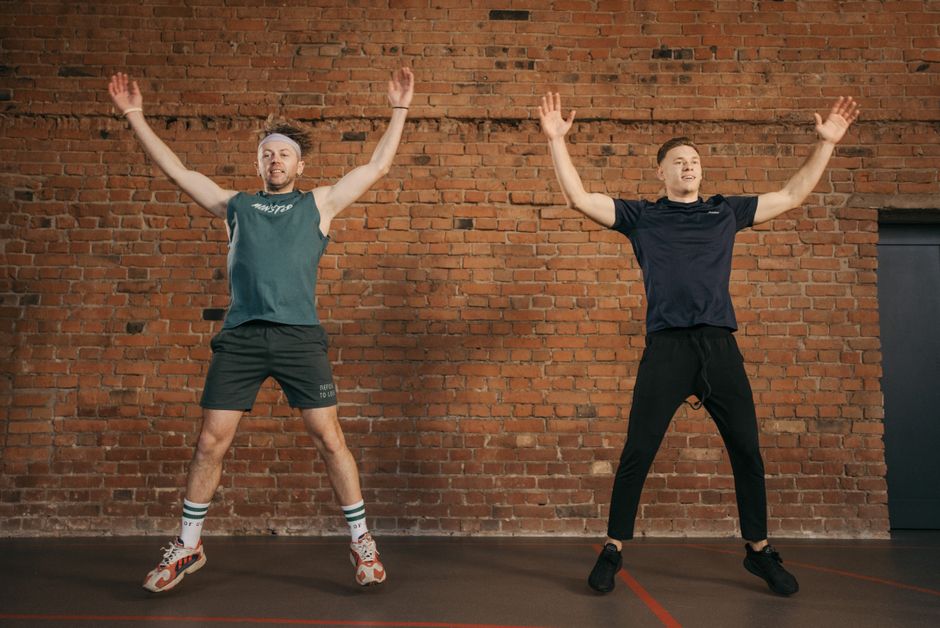
  1. Warm-up: 5 minutes of light jogging or jumping jacks to get your heart rate up and prepare your muscles.
  2. Reaction Ball Drill: 3 sets of 10 catches to enhance your hand-eye coordination.
  3. Agility Ladder Drill: 4 sets of 30 seconds to improve your foot speed and agility.
  4. Partner Reaction Drill: 3 sets of 10 exchanges to simulate real-life scenarios.
  5. Cool down: 5 minutes of stretching, focusing on legs and arms to promote recovery.

Improving your reaction speed is not just beneficial; it’s essential for anyone looking to enhance their overall fitness and performance. By incorporating specific exercises and avoiding common mistakes, you can make significant strides in your agility and responsiveness. Whether you’re a beginner or looking to refine your skills, the journey to faster reactions starts here. For more exercises and tips, check out our other articles on Exercise Daily.

    References
  1. Kraemer, W. J., et al. (2002). The effects of resistance training on performance.
  2. Cognitive and physical training in older adults: A randomized controlled trial.
  3. The effects of agility training on physical fitness in young adults.
  4. Enhancing reaction time through specific training methodologies.

Eat daily, sleep daily, exercise daily.

LEAVE A REPLY

Please enter your comment!
Please enter your name here

14 − eight =

Popular Articles