Best Warm Up Exercises For Knee Support | Exercise Daily
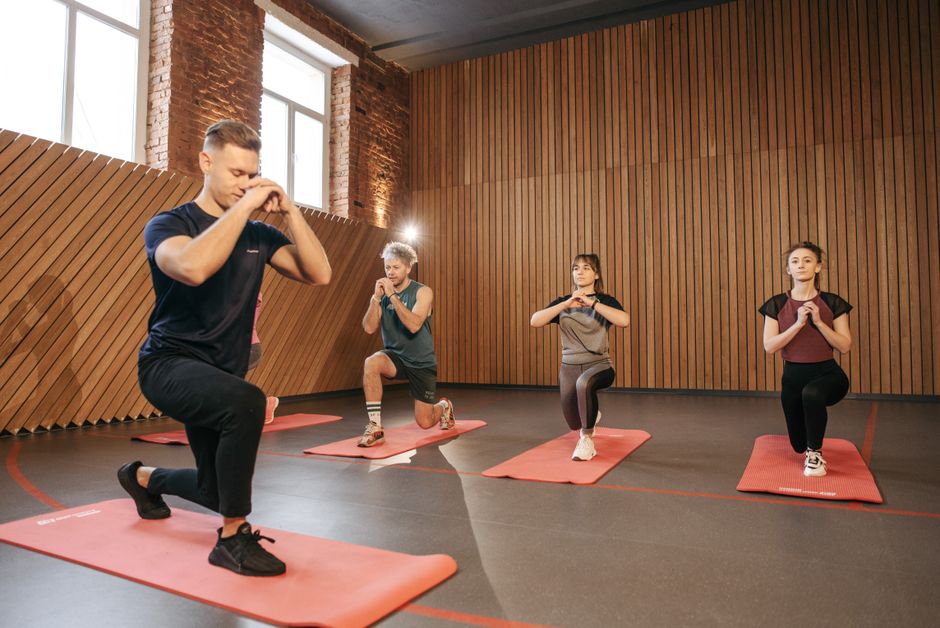
Many people believe that simply stretching is enough to prepare their knees for exercise, but this misconception can lead to injury and discomfort. The best warm-up exercises for knee support go beyond mere stretching; they activate muscles, improve flexibility, and enhance joint stability. Understanding how to properly prepare your knees can make a significant difference in your performance and overall joint health. For more help, see our exercise training guides.
Who This Is For
- Beginners looking to start a fitness routine safely.
- Athletes wanting to improve their knee stability and performance.
- Busy adults who need quick and effective warm-up exercises.
- Parents who want to stay active while managing their time.
- Individuals recovering from knee injuries seeking to strengthen their joints.
What Most People Get Wrong
One of the most common mistakes people make is neglecting dynamic movements in their warm-up routine. Static stretching, often favored for its simplicity, can leave your muscles underprepared for the demands of physical activity. Instead, incorporating dynamic movements helps to increase blood flow and activate the muscles surrounding the knee joint, which is crucial for preventing injuries. For more help, see our exercise training guides.
Additionally, many fail to focus on strengthening the muscles that support the knee, such as the quadriceps, hamstrings, and calves. This lack of focus can lead to imbalances that place extra strain on the knee joint during activity. For instance, weak hamstrings may not adequately balance the strength of the quadriceps, leading to an increased risk of injuries such as ligament tears or patellar tendinopathy. For more help, see our exercise training guides.
Why This Actually Works
The best warm-up exercises for knee support are designed to activate and engage the muscles that stabilize the knee joint. Research indicates that dynamic warm-ups can reduce the risk of injury by enhancing muscle readiness and improving joint mobility (Hoffman, 2014). By performing movements that mimic the activity you are about to engage in, you prepare the body for the specific demands ahead.
Furthermore, strengthening the muscles around the knee helps distribute forces more evenly during activity, reducing the risk of strain on the knee itself (Bahr et al., 2015). For example, stronger quadriceps can better support the knee during activities like running or jumping. When the muscles around the knee are well-conditioned, they can absorb shock and reduce the impact on the joint, leading to improved performance and reduced pain during physical activity.
Mistakes to Avoid




As an Amazon Associate, Exercise Daily earns from qualifying purchases. This post may contain affiliate links. Last updated: September 23, 2026
- Skipping the Warm-Up: Always prioritize your warm-up to prepare your body for exercise. Skipping this crucial phase can increase the risk of strains and sprains.
- Overdoing It: Avoid excessive intensity during your warm-up; it should prepare you, not exhaust you. The goal is to elevate your heart rate and warm up your muscles, not to fatigue them.
- Neglecting Form: Ensure proper form during exercises to prevent additional strains. Poor form can lead to other injuries, particularly if you’re not aware of how to engage the right muscles.
- Ignoring Pain: If you feel pain in your knees during warm-ups, stop and reassess your technique or consult a professional. Pain is a signal that something is wrong, and addressing it early can prevent more serious injuries down the line.
Best Warm Up Exercises For Knee Support
| Exercise | Target Muscle | Sets | Reps | Difficulty | Safety Cue |
|---|---|---|---|---|---|
| Leg Swings | Hip Flexors, Hamstrings | 2 | 10-15 each leg | Beginner | Keep movements controlled. |
| Bodyweight Squats | Quadriceps, Hamstrings, Glutes | 3 | 10-15 | Beginner | Maintain a neutral spine. |
| Walking Lunges | Quadriceps, Hamstrings, Glutes | 3 | 10-12 each leg | Intermediate | Keep knee behind toes. |
| Calf Raises | Calves | 3 | 15-20 | Beginner | Keep heels off the ground. |
| Hip Circles | Hip Flexors, Glutes | 2 | 10 each direction | Beginner | Engage your core. |
Beginner Tips
If you’re new to exercise, start with simple movements like leg swings and calf raises. Focus on your form and the full range of motion to ensure you’re activating the right muscles. Gradually incorporate more complex exercises like bodyweight squats and walking lunges as you become comfortable. It’s also beneficial to perform these exercises in front of a mirror or with a friend who can provide feedback on your form.
Another effective strategy is to perform these exercises in a circuit format, allowing for a more dynamic warm-up. This means moving from one exercise to the next with minimal rest, which keeps your heart rate elevated and enhances the overall effectiveness of your warm-up routine.
Advanced Tips
For those with more experience, consider adding resistance to your warm-up, such as using light weights during squats or resistance bands during lunges. This added challenge can help further strengthen the muscles supporting your knees, enhancing stability and performance. Additionally, incorporating balance exercises, such as single-leg stands or stability ball exercises, can improve proprioception and coordination, which are vital for knee health.
Moreover, consider integrating foam rolling into your warm-up routine. Foam rolling can help release tension in tight muscles, improving blood flow and flexibility. Focus on rolling out the quadriceps, hamstrings, and calves, as these areas are essential for knee support.
Practical Examples and Routines
Here’s a quick pre-workout routine you can follow to support your knees:
- Start with 5 minutes of light cardio (jogging in place or brisk walking) to gradually increase your heart rate.
- Perform 10 leg swings on each leg, keeping your movements smooth and controlled.
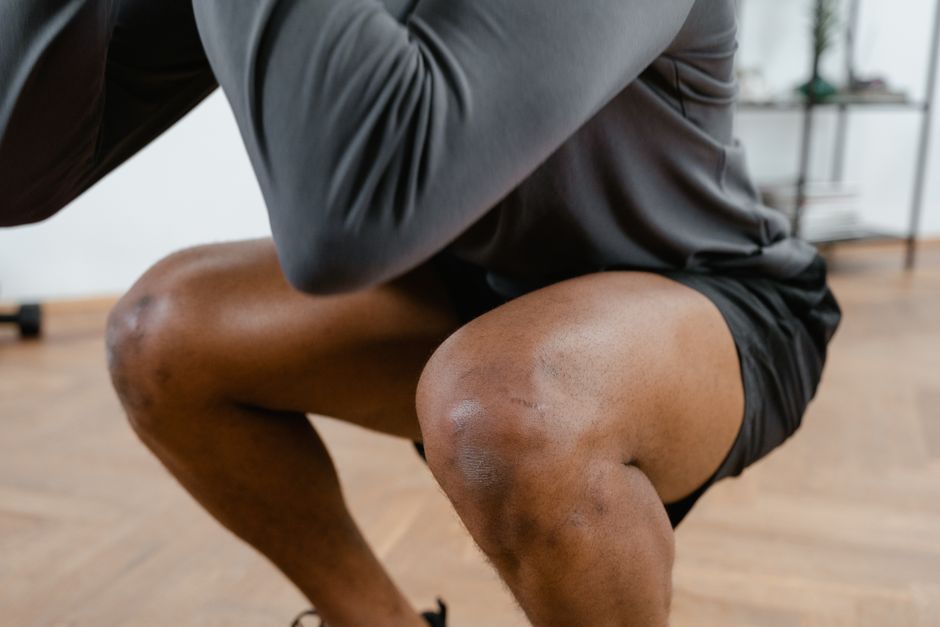
- Complete 10 bodyweight squats, ensuring your knees do not extend past your toes and that your back remains straight.
- Do 10 walking lunges on each leg, focusing on maintaining a straight torso and engaging your core throughout the movement.
- Finish with 15 calf raises, holding onto a sturdy surface for balance if needed.
By spending just 10-15 minutes on this routine, you can effectively warm up your knees and prepare them for more strenuous activity. It’s advisable to adjust the number of sets and reps based on your fitness level and the intensity of your upcoming workout.
Frequently Asked Questions
How long should I warm up before exercising?
A good warm-up should last between 10 to 15 minutes, allowing enough time to prepare your muscles and joints. This timeframe is ideal for transitioning your body from a resting state to an active state, thereby reducing the risk of injury.
Can I skip warm-ups if I’m short on time?
It’s not advisable to skip warm-ups, as they play a crucial role in preventing injuries. If you’re pressed for time, shorten your routine but still include key movements. A quick 5-minute dynamic warm-up can still be beneficial, focusing on major muscle groups and dynamic movements.
What if I feel pain during warm-ups?
Stop immediately and reassess your technique. Pain can be a sign of improper form or an underlying issue. Consult a healthcare professional if it persists. It’s essential to differentiate between discomfort from exertion and pain signaling a potential injury.
Are static stretches effective in warming up my knees?
Static stretches are not recommended as a primary warm-up method. Dynamic movements are more effective in preparing your knees for activity by increasing blood flow and activating the muscles involved in movement. Static stretching is best saved for post-workout cooldowns, where it can aid in muscle recovery.
How often should I perform these warm-up exercises?
Incorporate these warm-up exercises before every workout that involves your knees, especially during high-impact or strength training sessions. Consistency is key in building muscle strength and improving joint stability.
Practical Tip
Consider keeping a foam roller handy for post-workout recovery. Rolling out tight muscles can improve flexibility and reduce soreness, further supporting your knees in the long run. Regular post-exercise stretching and foam rolling can help maintain optimal muscle length and joint function, which are vital for long-term knee health.
- References
Eat daily, sleep daily, exercise daily.