Home Exercises For Stronger Knees | Exercise Daily
Many believe that resting is the best way to recover from knee pain, but in reality, targeted home exercises are crucial for building stronger knees. Strengthening the muscles around your knees not only alleviates pain but also improves mobility and prevents injuries. This article will explore effective home exercises for stronger knees, providing you with the tools to enhance your joint health and overall fitness. For more help, see our exercise training guides.
Who This Is For
- Beginners looking to improve knee strength and mobility.
- Athletes wanting to enhance performance and prevent injuries.
- Busy adults seeking quick and effective home workout routines.
- Parents managing time constraints but wanting to stay active.
- Individuals recovering from knee injuries and needing safe exercises.
What Most People Get Wrong
A common misconception is that knee exercises should only focus on the knees themselves. Many people neglect the importance of strengthening the surrounding muscles, such as the quadriceps, hamstrings, and calves. This oversight can lead to imbalances and increased risk of injury. Additionally, people often think that they need specialized equipment or a gym membership to perform effective knee-strengthening exercises. In fact, many of the best exercises can be done at home with little to no equipment. This misconception can deter individuals from starting a beneficial exercise routine, keeping them trapped in a cycle of pain and inactivity. For more help, see our exercise training guides.
Why This Actually Works
Strengthening the muscles around your knees helps to stabilize the joint, reducing the risk of injuries and alleviating pain. According to a study published in the Journal of Orthopaedic & Sports Physical Therapy, targeted strength training can significantly improve knee function and reduce pain in individuals with knee osteoarthritis. By engaging in specific exercises, you promote better alignment and biomechanics, which translates to improved overall knee health.
Furthermore, exercises that build strength in the quadriceps and hamstrings can enhance the knee’s ability to absorb shock and reduce the strain on the joint. This is particularly important for individuals who participate in high-impact activities such as running or jumping. Research has shown that a well-rounded strength training program can lead to decreased pain levels and improved functional outcomes in patients with knee pain. For more help, see our exercise training guides.
Mistakes to Avoid




As an Amazon Associate, Exercise Daily earns from qualifying purchases. This post may contain affiliate links. Last updated: October 9, 2026
When performing knee exercises, it’s important to avoid certain pitfalls:
- Skipping Warm-ups: Always warm up before engaging in exercises to prepare your muscles and joints. A good warm-up increases blood flow to the muscles and helps to prevent injury.
- Using Incorrect Form: Poor form can lead to injuries. Focus on executing each movement correctly. Consider practicing in front of a mirror or recording yourself to ensure proper alignment.
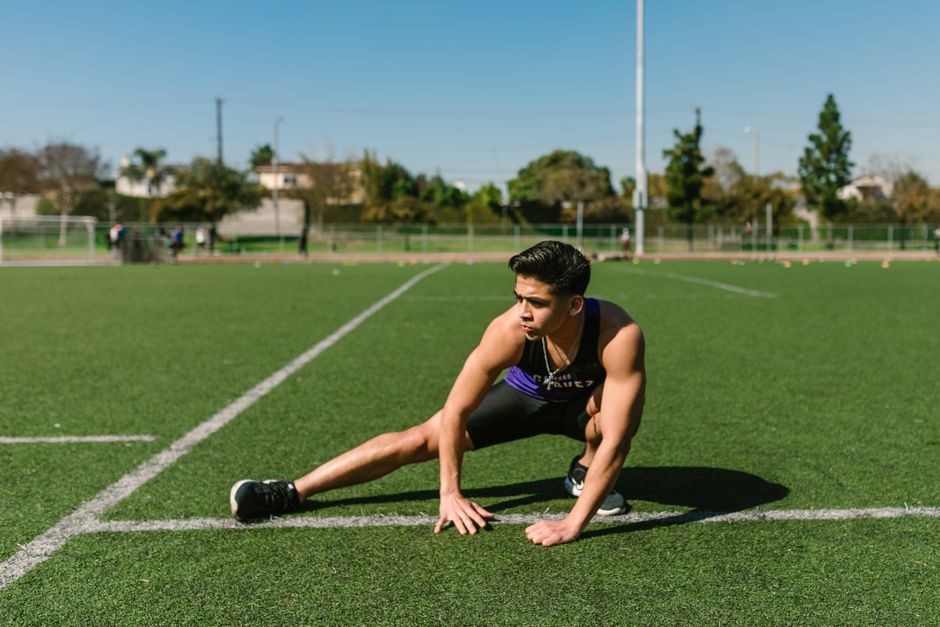
- Neglecting Flexibility: Failing to incorporate stretching can lead to tightness and discomfort. Flexibility exercises improve the range of motion around the knee joint and are essential for overall knee health.
- Rushing Progress: Increase intensity gradually. Pushing too hard too soon can exacerbate existing issues. It’s better to progress slowly and avoid setbacks.
Home Exercises for Stronger Knees
| Exercise | Target Muscle | Sets | Reps | Difficulty | Safety Cue |
|---|---|---|---|---|---|
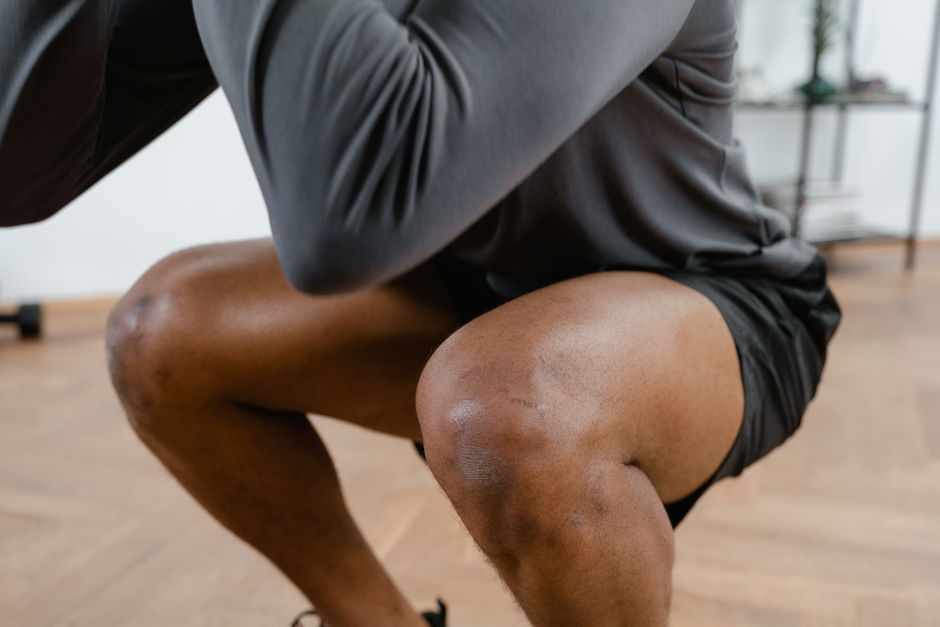
| Bodyweight Squats | Quadriceps, Hamstrings, Glutes | 3 | 10-15 | Beginner | Keep knees behind toes. |
| Wall Sits | Quadriceps | 3 | 20-30 seconds | Beginner | Maintain a 90-degree angle at knees. |
| Step-Ups | Quadriceps, Hamstrings, Glutes | 3 | 10-12 each leg | Beginner | Keep your weight on the heel. |
| Leg Raises | Quadriceps | 3 | 10-15 | Beginner | Keep lower back pressed against the floor. |
| Hamstring Curls | Hamstrings | 3 | 10-15 | Beginner | Use a stable surface for balance. |
Beginner Tips
If you’re new to exercising, start slow. Focus on mastering the form of each exercise before increasing the number of sets or reps. Incorporate a variety of exercises to target all the muscles surrounding the knee for balanced strength. For instance, you can alternate between squats and leg raises to engage different muscle groups. Consider starting with just one set of each exercise and gradually increasing as your strength improves. Additionally, pay attention to how your body feels during and after each exercise; this feedback is crucial for determining your readiness to progress.
Advanced Tips
Once you have built a solid foundation, consider adding resistance to your exercises. You can use resistance bands or light dumbbells to increase the challenge. Additionally, try incorporating balance exercises, such as single-leg stands, to further enhance the stability of your knees. Balance training not only strengthens the muscles around the knee but also improves proprioception, which is your body’s ability to sense its position in space. This skill is especially critical for athletes or anyone looking to engage in activities that involve quick, lateral movements.
Moreover, consider integrating plyometric exercises, like jump squats or box jumps, into your routine as you progress. These exercises can enhance power and explosiveness, which are beneficial for sports performance. However, ensure that you have a solid strength base before attempting plyometrics to avoid injury.
Recovery and Maintenance
Recovery is just as important as the exercises themselves. Make sure to incorporate rest days into your routine to allow your muscles to recover and grow stronger. Stretching after workouts can help alleviate tightness and improve flexibility. Consider using foam rollers to release muscle tension, which can also aid in recovery. Foam rolling can be particularly effective for tight quadriceps and hamstrings, which are common culprits in knee discomfort.
Additionally, hydration plays a vital role in muscle recovery and joint health. Ensure you drink enough water throughout the day, especially before and after workouts. Proper nutrition, including a balanced diet rich in vitamins and minerals, also supports muscle recovery and overall joint health. Foods high in omega-3 fatty acids, vitamins C and D, and calcium can be particularly beneficial.
Frequently Asked Questions
1. How often should I perform knee-strengthening exercises?
It’s recommended to perform knee-strengthening exercises at least 2-3 times per week, allowing for rest days in between sessions. Consistency is key, as regular exercise helps maintain strength and mobility.
2. Can I do these exercises if I have existing knee pain?
Consult with a healthcare professional before starting any exercise program if you have knee pain. They can help determine which exercises are safe and appropriate for your condition. It’s crucial to listen to your body and avoid exercises that exacerbate your pain.
3. How long will it take to see results?
Most individuals start to notice improvements in strength and mobility within 4-6 weeks of consistent exercise, but this can vary based on individual circumstances. Factors such as age, overall health, and the severity of any existing knee issues can influence the timeline for seeing results.
4. Should I stop exercising if I feel pain?
If you experience sharp or severe pain during exercises, stop immediately and consult a healthcare professional. Mild discomfort is normal, but pain is a sign that something may be wrong. Learning to differentiate between normal muscle fatigue and pain is essential for safe exercise.
5. Are there any specific stretches I should do for my knees?
Yes, incorporating stretches for your quadriceps, hamstrings, and calves can help improve flexibility and reduce tension around the knee joint. Consider including stretches such as the standing quadriceps stretch, seated hamstring stretch, and calf stretches to maintain optimal flexibility.
Conclusion
Building stronger knees through home exercises is not only achievable but essential for enhancing your overall health and mobility. By incorporating these targeted exercises into your routine, you can improve your knee strength, alleviate pain, and reduce the risk of injuries. Remember to focus on proper form, listen to your body, and progress at a safe pace. Start today, and you’ll be on your way to stronger knees in no time.
- References
- Journal of Orthopaedic & Sports Physical Therapy
- PubMed
- World Health Organization
- American College of Sports Medicine
Eat daily, sleep daily, exercise daily.