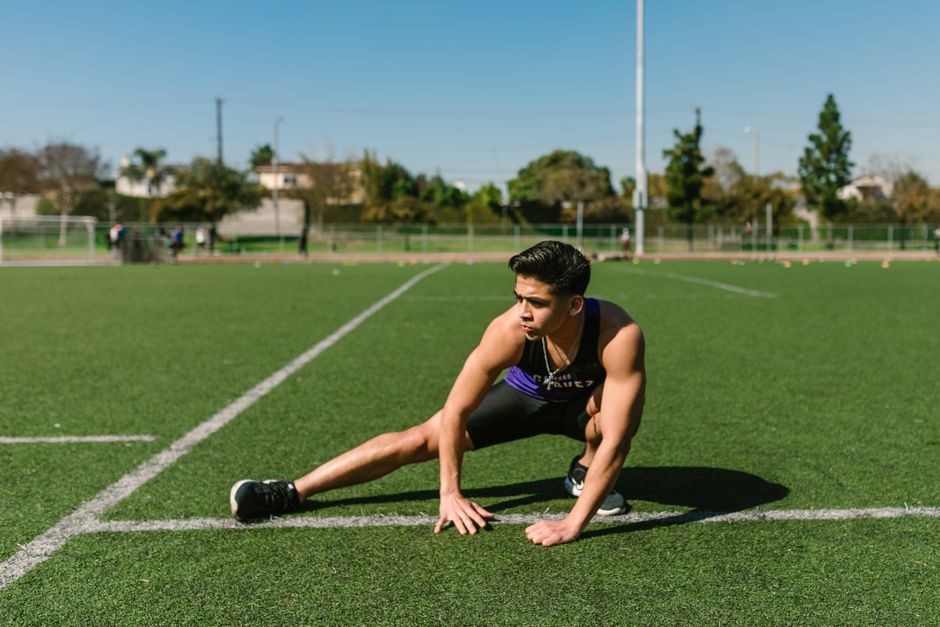
How To Prevent Sports Knee Injuries | Exercise Daily
Many athletes believe that knee injuries are an unavoidable part of sports, but this couldn’t be further from the truth. With the right preventive measures, you can significantly reduce the risk of sports knee injuries. Whether you’re a weekend warrior or a seasoned competitor, understanding how to take care of your knees is crucial for longevity in your sport. In this article, we will explore effective strategies to prevent sports knee injuries, ensuring you can perform at your best without the fear of injury. For more help, see our exercise training guides.
Who This Is For
- Beginners looking to start a new sport safely.
- Competitive athletes aiming to enhance their performance while minimizing injury risk.
- Busy adults who want to incorporate safe exercise routines into their hectic schedules.
- Parents who want to keep their children active and injury-free during sports.
- Individuals recovering from previous knee injuries seeking to prevent future issues.
What Most People Get Wrong
A common misconception is that knee injuries primarily occur due to a lack of strength in the muscles surrounding the knee. While strength plays a vital role, many people overlook the importance of flexibility, balance, and proper technique. These factors are just as crucial in maintaining knee health. Additionally, skipping warm-ups and cool-downs is another mistake that can lead to injuries. Many athletes believe that they’re ready to jump into activity without proper preparation, which can set them up for failure. The truth is that a well-rounded approach to training that includes these elements is essential for injury prevention and overall performance enhancement. For more help, see our exercise training guides.
Why This Actually Works
Preventing sports knee injuries is about creating a balanced approach that incorporates strength, flexibility, and technique. Research has shown that strength training can improve the stability and support of the knee joint, while flexibility exercises can enhance the range of motion and reduce tension on the knee. Furthermore, practicing proper techniques in your sport can help distribute forces evenly across the knee, minimizing the risk of injury. According to the American College of Sports Medicine, a well-rounded training program that includes these elements can significantly decrease the likelihood of knee injuries (American College of Sports Medicine, 2021). This holistic approach not only protects the knees but also enhances athletic performance, allowing athletes to achieve their best without the constant worry of injury. For more help, see our exercise training guides.
Mistakes to Avoid





As an Amazon Associate, Exercise Daily earns from qualifying purchases. This post may contain affiliate links. Last updated: October 12, 2026
To effectively prevent knee injuries, it’s essential to avoid several common pitfalls:
- Neglecting Warm-ups: Always start your workouts with a proper warm-up to prepare your muscles and joints. This could include dynamic stretches and light aerobic activity to increase blood flow.
- Ignoring Pain: Don’t push through pain. If you feel discomfort in your knees, rest and seek advice. Pain is your body’s way of signaling that something may be wrong.
- Overtraining: Gradually increase the intensity of your workouts. Sudden spikes in training can lead to injuries. Listen to your body and allow for recovery periods.
- Inconsistent Training: Maintain a consistent training schedule to keep your muscles strong and flexible. Inconsistency can lead to imbalances and weaknesses.
- Improper Footwear: Ensure you wear the right shoes for your sport to provide adequate support. The right footwear can absorb shock and provide stability.
Effective Strategies for Prevention
Here are some practical strategies that can help you prevent knee injuries:
1. Strength Training
Incorporating strength training into your routine is crucial for knee stability. Focus on exercises that target the quadriceps, hamstrings, and calf muscles. These muscle groups support the knee and help absorb shock during activities. It’s also important to include exercises that strengthen the hip muscles, as they play a significant role in maintaining knee alignment and stability.
| Exercise | Target Muscle | Sets | Reps | Difficulty | Safety Cue |
|---|---|---|---|---|---|
| Squats | Quadriceps, Hamstrings | 3 | 10-15 | Beginner | Keep knees behind toes |
| Lunges | Quadriceps, Hamstrings | 3 | 10-12 | Beginner | Maintain upright posture |
| Leg Press | Quadriceps, Hamstrings | 3 | 8-10 | Intermediate | Don’t lock knees at the top |
| Hip Thrusts | Glutes, Hamstrings | 3 | 10-15 | Intermediate | Keep your chin tucked |
| Calf Raises | Calf Muscles | 3 | 12-15 | Beginner | Don’t rush through the movement |
2. Flexibility Training
Engaging in flexibility training can help improve your range of motion and reduce the risk of injuries. Incorporate dynamic stretches before workouts and static stretches afterward. Focus on the major muscle groups that support the knee, including the quadriceps, hamstrings, calves, and hip flexors. Regular stretching can enhance muscle elasticity, which is essential for maintaining joint health and function. A study published in the Journal of Sports Medicine found that regular flexibility training can significantly reduce the incidence of sports-related injuries (PubMed, 2019).
3. Balance and Coordination Exercises
Improving your balance and coordination can significantly reduce the risk of falls and awkward movements that lead to injury. Exercises such as single-leg stands or using a balance board can enhance proprioception, which is your body’s ability to sense its position in space. Balance exercises train your body to stabilize itself during dynamic movements, which is crucial in sports. Incorporating these exercises into your routine can help develop the neuromuscular control necessary to prevent knee injuries.
4. Proper Technique
Whether you’re running, jumping, or changing directions, using the correct technique is essential. Work with a coach or trainer to ensure you are performing movements correctly. This can involve analyzing your form and making necessary adjustments. For example, when running, pay attention to your foot strike and alignment, as improper mechanics can lead to undue stress on the knees. Learning to land softly when jumping and using your hips to absorb impact can also protect your knees from injury. Regular feedback on your technique can help you make adjustments before they lead to injury.
5. Rest and Recovery
Allowing your body adequate time to recover is just as important as training. Schedule rest days and listen to your body. If you experience fatigue or soreness, take time off to prevent overuse injuries. Incorporate active recovery days, where you engage in low-impact activities, such as walking or swimming, to promote circulation without putting stress on your knees. Additionally, consider integrating practices like foam rolling or massage therapy to alleviate muscle tension and promote recovery. Remember that recovery is just as important as the training itself; without it, you risk diminishing returns and increased injury risk.
Practical Tips for Knee Health
Here are some additional tips to maintain knee health:
- Stay hydrated to keep your joints lubricated. Proper hydration is essential for maintaining synovial fluid levels in the joints, which helps reduce friction.
- Incorporate low-impact activities like swimming or cycling into your routine. These activities allow you to maintain fitness without placing excessive strain on your knees.
- Maintain a healthy weight to reduce stress on your knees. Excess weight can increase the risk of knee injuries and exacerbate existing conditions.
- Consider using knee braces or supports if you have a history of knee issues. These can provide additional stability and support during physical activity.
- Educate yourself about your sport and its demands. Understanding the biomechanics involved can help you train more effectively and reduce injury risk.
Frequently Asked Questions
- What are the most common sports knee injuries?
Knee injuries can vary, but common ones include ACL tears, meniscus tears, and patellar tendinitis. Each of these injuries has specific causes and treatment protocols, making prevention strategies essential. - How can I strengthen my knees?
Incorporating strength training exercises focused on the legs, such as squats and lunges, can help. Additionally, focusing on hip and core strength can provide better overall support for the knees. - Is it too late to start preventing knee injuries?
No, it’s never too late. You can implement preventive measures at any stage. Starting now can lead to significant improvements in knee health and overall athletic performance. - How often should I train to prevent knee injuries?
A balanced routine, including strength, flexibility, and balance training, at least 2-3 times per week is recommended. Consistency is key to building strength and preventing injuries. - Should I see a doctor if I feel knee pain?
Yes, it’s advisable to consult a healthcare professional if you experience persistent knee pain. Early intervention can prevent more severe injuries and facilitate a quicker recovery.
Conclusion
Preventing sports knee injuries is not just about avoiding pain; it’s about enhancing your performance and ensuring longevity in your athletic pursuits. By incorporating strength training, flexibility exercises, balance work, and proper techniques into your routine, you can build a robust defense against knee injuries. Furthermore, staying educated about your body and its needs will empower you as an athlete. Remember, your knees are your foundation—take care of them, and they will take care of you. Start implementing these strategies today to keep your knees healthy and strong!
- References
Eat daily, sleep daily, exercise daily.
These are for informational purposes only. Consult your doctor and do your own research before use.