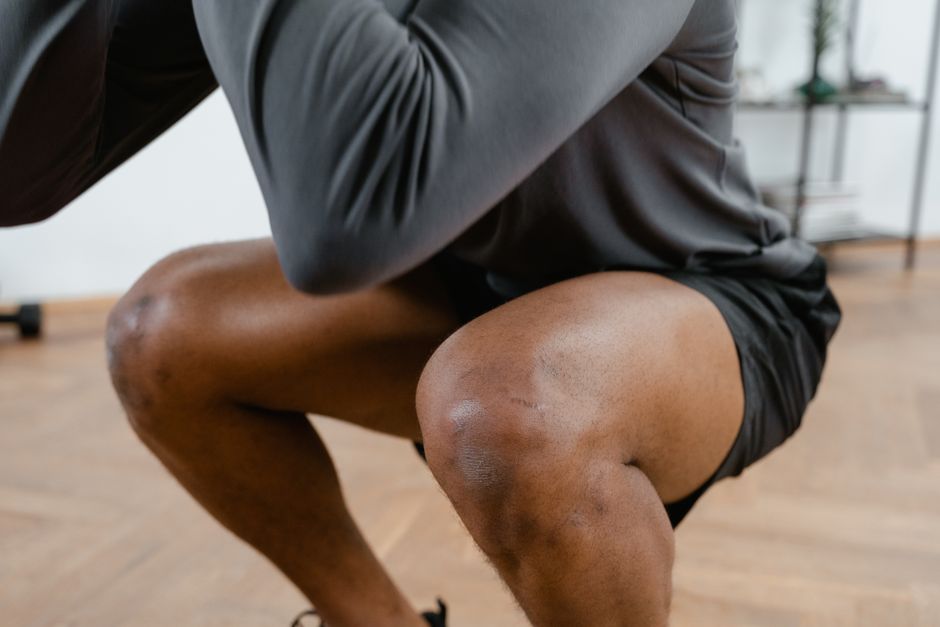
Daily Knee Mobility Exercises | Exercise Daily
Many people mistakenly believe that knee pain and stiffness are just a natural part of aging and cannot be improved through simple daily knee mobility exercises. This misconception often leads to a sedentary lifestyle, which can further exacerbate knee issues. In reality, incorporating targeted mobility exercises into your daily routine can significantly enhance joint function and reduce discomfort. Let’s break down effective exercises that can be easily integrated into your life. For more help, see our exercise training guides.
Who This Is For
- Beginners looking to improve flexibility and range of motion.
- Athletes who need to maintain optimal joint health.
- Busy adults who want quick and effective ways to keep their knees healthy.
- Parents managing the physical demands of daily life.
- Individuals recovering from knee injuries or surgeries.
What Most People Get Wrong
A common error is the belief that knee mobility exercises are only necessary for those with existing knee problems. In truth, everyone can benefit from regular mobility work, regardless of age or fitness level. Many individuals overlook the importance of warming up their knees before engaging in more intense workouts, which can lead to injuries. Additionally, it is a common misconception that stretching alone is sufficient to maintain joint health. While stretching is beneficial, mobility exercises actively engage the muscles and joints, promoting better overall function and stability. For more help, see our exercise training guides.
Why This Actually Works
Daily knee mobility exercises improve blood flow, enhance joint lubrication, and strengthen the muscles surrounding the knee. According to a study published in the Journal of Orthopaedic & Sports Physical Therapy, mobility training can lead to better functional performance and a lower risk of injury (Miller et al., 2019). By focusing on both flexibility and strength, these exercises help maintain the integrity of the knee joint, making it less susceptible to wear and tear. This dual approach not only aids in injury prevention but also facilitates recovery from existing conditions, thus reinforcing the importance of regular mobility work. For more help, see our exercise training guides.
Mistakes to Avoid


As an Amazon Associate, Exercise Daily earns from qualifying purchases. This post may contain affiliate links. Last updated: October 12, 2026
When performing knee mobility exercises, avoid pushing through pain. If an exercise causes discomfort, modify it or consult a professional. It’s essential to listen to your body and respect its limits. Additionally, many individuals neglect to include a warm-up before starting their mobility routine. Always begin with gentle movements to prepare the joints for the exercises ahead. Lastly, do not rush through the exercises; quality is more important than quantity. Slow, deliberate movements enhance the effectiveness of the exercises and minimize the risk of injury.
Daily Knee Mobility Exercise Routine
Here’s a simple routine you can incorporate into your daily life. Aim to perform this sequence at least 5-10 minutes each day. Consistency is key to experiencing the full benefits of these exercises.
| Exercise | Target Muscle | Sets | Reps | Difficulty | Safety Cue |
|---|---|---|---|---|---|
| Heel Slides | Quadriceps, Hamstrings | 3 | 10-15 | Easy | Keep the movement slow and controlled. |
| Standing Knee Raises | Hip Flexors, Quadriceps | 3 | 10-12 each leg | Easy | Maintain balance by holding onto a wall or chair. |
| Squats to a Chair | Quadriceps, Glutes | 3 | 8-10 | Medium | Ensure knees do not extend past toes. |
| Calf Raises | Calves | 3 | 12-15 | Easy | Keep your core engaged for stability. |
| Side Leg Raises | Hip Abductors | 3 | 10-12 each leg | Medium | Keep the leg straight and lift slowly. |
Beginner Tips
If you’re just starting, focus on mastering the form of each exercise. Proper form is crucial to prevent injuries and ensure that you are effectively targeting the intended muscles. Use a wall or chair for support during balance exercises, especially if you feel unsteady. Start with fewer sets and gradually increase as you become stronger and more comfortable. Additionally, ensure you breathe steadily throughout each movement, as this will help you maintain control and relaxation. Incorporating deep breathing can also enhance your focus and mental clarity during the routine.
Advanced Tips
Once you feel confident with the basic routine, consider adding resistance bands or ankle weights to increase the challenge. Using resistance bands can add an extra layer of difficulty and improve strength in a controlled manner. You can also perform these exercises on an unstable surface, like a balance pad, to engage your stabilizing muscles more effectively. This variation not only enhances balance but also increases the overall effectiveness of the workout. Incorporating dynamic stretches, such as leg swings and walking lunges, can also enhance mobility and prepare your knees for more strenuous activities.
Real-World Applications
Daily knee mobility exercises are not just for athletes or fitness enthusiasts. Busy parents can perform these exercises during short breaks or while watching TV, turning downtime into productive movement. Office workers can integrate standing knee raises or calf raises during their workday to combat the negative effects of prolonged sitting. This not only helps maintain joint health but also improves circulation and energy levels throughout the day. For those recovering from injury, these exercises can serve as a gentle way to regain strength and mobility. Tailoring the routine to your specific needs and limitations is key to a successful recovery process.
Recap of Benefits
Engaging in regular knee mobility exercises can lead to:
- Increased range of motion, allowing for improved mobility in daily activities.
- Improved joint stability, which is essential for preventing falls and injuries.
- Reduced risk of injury, particularly for those who engage in sports or physical activities.
- Enhanced athletic performance, as stronger and more flexible knees contribute to better overall movement efficiency.
- Better overall leg strength, which supports the knees and aids in overall fitness.
Frequently Asked Questions
How often should I perform knee mobility exercises?
For best results, aim to do these exercises daily or at least 4-5 times a week. Consistency is critical for long-term improvements in knee health.
Can I do these exercises if I have knee pain?
Yes, but it’s essential to consult with a healthcare provider before starting any new exercise routine, especially if you have chronic pain or an injury. They can provide personalized guidance tailored to your condition.
How long will it take to see results?
Many people notice improvements in flexibility and comfort within a few weeks of consistent practice. However, the timeline can vary based on individual circumstances and the severity of any existing issues.
Do I need any equipment for these exercises?
No equipment is necessary, but a yoga mat or cushion can provide comfort during floor exercises. Additionally, if you choose to use resistance bands or weights later on, ensure they are appropriate for your fitness level.
What should I do if an exercise causes pain?
Stop the exercise immediately and reassess your form. If pain persists, consult a healthcare professional. It’s crucial to differentiate between discomfort related to muscle engagement and pain that indicates potential injury.
Extra Value: Quick Recovery Tip
After your mobility routine, consider applying a cold pack to your knees for 15-20 minutes if you feel any discomfort. This can help reduce inflammation and speed up recovery. Additionally, staying hydrated and maintaining a balanced diet rich in anti-inflammatory foods can further support your joint health.
Incorporating daily knee mobility exercises into your routine can significantly enhance your overall joint health and functionality. By debunking common myths and understanding the importance of these exercises, you can take proactive steps toward maintaining healthy knees. Whether you’re a beginner or more advanced, there are options for everyone. Start today, and you’ll be on your way to a more mobile, pain-free life.
- References
Eat daily, sleep daily, exercise daily.
These are for informational purposes only. Consult your doctor and do your own research before use.