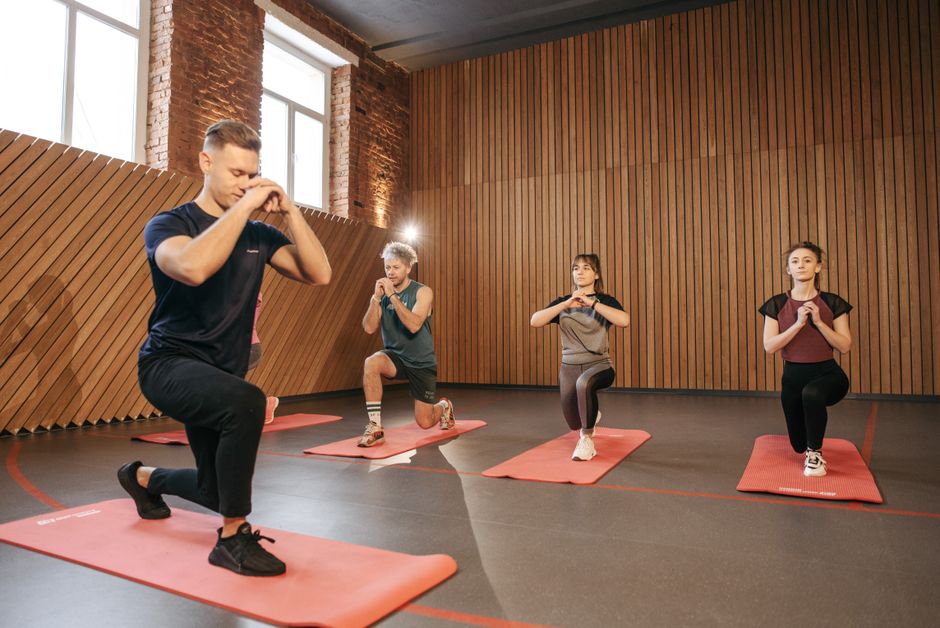
Leg Strengthening Exercises Without Jumping | Exercise Daily
Contrary to popular belief, you don’t need high-impact movements to build strong legs. Many people assume that jumping exercises are essential for leg strength, but this is far from the truth. In fact, there are numerous effective leg strengthening exercises without jumping that can enhance your muscle endurance, stability, and overall fitness. Whether you’re a beginner, recovering from an injury, or simply prefer low-impact workouts, this guide will provide you with practical, evidence-informed exercises to strengthen your legs.
Who This Is For
- Beginners looking to build foundational leg strength.
- Individuals recovering from injuries or surgeries who need low-impact options.
- Busy adults seeking efficient workouts that can be done at home or in the gym.
- Older adults focusing on maintaining mobility and strength.
- Athletes wanting to enhance their performance without risking joint strain.
What Most People Get Wrong
Many believe that to achieve strong legs, one must perform explosive movements like jump squats or box jumps. This misconception can lead to unnecessary injuries, especially for those who are new to exercise or have pre-existing conditions. Additionally, some individuals think that leg workouts should always involve heavy weights. However, bodyweight exercises can be just as effective, if not more so, for building strength and endurance. In reality, the body can build significant muscle without the need for high-impact activities, provided the exercises are performed correctly and consistently.
Why This Actually Works
Leg strengthening exercises without jumping focus on controlled movements that target key muscle groups effectively. These exercises promote muscle hypertrophy, enhance joint stability, and improve functional strength, all while minimizing the risk of injury. Research has shown that low-impact exercises can be equally effective in building muscle strength and improving cardiovascular health as high-impact workouts (ACE, 2022). By incorporating a variety of movements, you can engage different muscles, improving overall leg strength without the stress of jumping. Moreover, low-impact exercises can be performed safely by individuals of all ages and fitness levels, making them a versatile option for anyone looking to enhance their leg strength. For more help, see our wellness and recovery habits.
Mistakes to Avoid





As an Amazon Associate, Exercise Daily earns from qualifying purchases. This post may contain affiliate links. Last updated: October 16, 2026
When performing leg strengthening exercises, it’s crucial to avoid specific common mistakes:
- Skipping Warm-Ups: Always warm up your muscles before starting any workout to prevent strains. A proper warm-up increases blood flow to the muscles and prepares them for the demands of exercise. Simple dynamic stretches or light cardio can be effective.
- Neglecting Form: Poor form can lead to injuries. Focus on executing each movement correctly. Using a mirror or filming yourself can help you assess your technique and make improvements.
- Overtraining: Listen to your body. It’s essential to allow for recovery between workouts. Muscles grow during rest, so ensure you give your legs adequate time to recover and adapt.
- Ignoring Progression: As you get stronger, gradually increase the difficulty of your exercises to continue seeing results. This could mean adding more repetitions, increasing the duration of holds, or incorporating resistance bands or weights.
Leg Strengthening Exercises Without Jumping
Here are some effective exercises you can incorporate into your routine. These can be performed at home or in the gym, requiring minimal equipment. Each exercise targets different muscle groups, ensuring a well-rounded leg workout that enhances strength, stability, and endurance. For more help, see our wellness and recovery habits.
| Exercise | Target Muscle | Sets | Reps | Difficulty | Safety Cue |
|---|---|---|---|---|---|
| Bodyweight Squats | Quadriceps, Hamstrings, Glutes | 3 | 10-15 | Beginner | Keep knees aligned with toes. |
| Wall Sits | Quadriceps | 3 | 30-60 seconds | Beginner | Maintain a straight back against the wall. |
| Lateral Lunges | Adductors, Glutes | 3 | 10-12 (each side) | Intermediate | Keep your chest up and back straight. |
| Glute Bridges | Hamstrings, Glutes | 3 | 10-15 | Beginner | Engage your core and squeeze glutes at the top. |
| Single-Leg Deadlifts | Hamstrings, Glutes | 3 | 8-10 (each leg) | Advanced | Maintain balance and a straight back. |
Bodyweight Squats
Bodyweight squats are fundamental for developing leg strength. Stand with your feet shoulder-width apart, lower your body as if sitting back into a chair, and keep your weight on your heels. Ensure that your knees do not extend beyond your toes, which could lead to strain. Aim for 3 sets of 10-15 reps, focusing on controlled movements and proper form. You can increase difficulty by adding a pause at the bottom of the squat or holding weights in your hands.
Wall Sits
For wall sits, lean against a wall with your feet shoulder-width apart. Slide down until your knees are at a 90-degree angle, and hold the position for 30-60 seconds. This is excellent for building endurance in your quadriceps. To make it more challenging, try extending one leg straight out while holding the position or increasing the hold duration. Wall sits not only strengthen your legs but also improve your core stability, as you must engage your abdominal muscles to maintain the position.
Lateral Lunges
Lateral lunges target your inner thighs and glutes. Step to the side, bending the knee of the leg you step to while keeping the other leg straight. Ensure that your stepping foot is flat on the ground and your knee is aligned over your ankle. Alternate sides for 3 sets of 10-12 reps. To intensify this exercise, you can add a resistance band around your thighs or perform the movement with a slight hop (while still avoiding full jumping) for added challenge and engagement.
Glute Bridges
To perform glute bridges, lie on your back with your knees bent and feet flat on the ground, hip-width apart. Lift your hips towards the ceiling, squeezing your glutes at the top while keeping your shoulders and feet grounded. Aim for 3 sets of 10-15 reps to strengthen your posterior chain. For a greater challenge, try single-leg glute bridges, where you extend one leg straight while lifting your hips. This variation not only targets the glutes and hamstrings but also engages the core and helps improve balance.
Single-Leg Deadlifts
This advanced move enhances balance and targets the hamstrings. Stand on one leg, hinge at the hips while extending the other leg behind you, then return to standing. Maintain a straight back throughout the movement to prevent injury. Perform 3 sets of 8-10 reps on each leg. To increase the challenge, consider holding a dumbbell or kettlebell in the opposite hand of the standing leg, which will engage your core and improve stability.
Beginner Tips
- Start with bodyweight exercises to master your form before adding resistance. This foundational work is crucial for preventing injuries and ensuring long-term success.
- Incorporate these exercises into your routine 2-3 times per week for optimal results. Consistency is key to building strength and endurance.
- Focus on controlled movements rather than speed to build strength effectively. Take your time with each repetition to ensure proper form and engagement of the targeted muscles.
Advanced Tips
- Add resistance bands or weights to increase the challenge of your workouts. This added resistance forces your muscles to work harder, leading to greater strength gains over time.
- Incorporate variations of each exercise to target different muscle groups. For example, you can perform sumo squats to target the inner thighs or Bulgarian split squats to increase the difficulty of lunges.
- Consider circuit training to keep your heart rate up while building leg strength. Pair these leg exercises with upper-body movements or core exercises for a full-body workout that also boosts cardiovascular fitness.
Frequently Asked Questions
- Can I build muscle without jumping exercises? Yes, many low-impact exercises are effective for muscle growth. They allow for controlled movements that can lead to hypertrophy without the high risk of injury associated with jumping.
- How often should I do leg strengthening exercises? Aim for 2-3 sessions per week, allowing recovery time in between. This frequency helps ensure that your muscles have adequate time to repair and grow stronger.
- What equipment do I need for these exercises? Most exercises can be performed with just your body weight, but resistance bands and dumbbells can enhance the workout significantly, making it more challenging and effective.
- Are these exercises suitable for older adults? Yes, these exercises can be modified for all fitness levels and are particularly beneficial for maintaining mobility. They help strengthen the muscles around the joints, which can prevent falls and improve overall stability.
- How long until I see results? With consistency, you may start to notice improvements in strength and endurance within a few weeks. Keep in mind that individual results may vary based on factors such as diet, frequency of workouts, and overall lifestyle.
Incorporating leg strengthening exercises without jumping into your routine can provide numerous benefits, from improved muscle tone to enhanced joint stability. Remember to focus on form, progress gradually, and listen to your body to avoid injuries. With dedication, you’ll build the strength you desire without the need for high-impact movements. Additionally, consider tracking your progress through a fitness journal or app to stay motivated and see how far you’ve come. For more help, see our nutrition and recovery advice.
For more exercise insights, check out our articles on exercise techniques and fitness tips. These resources can help you expand your knowledge and continue improving your fitness journey.
Eat daily, sleep daily, exercise daily.
These are for informational purposes only. Consult your doctor and do your own research before use.