AI Volleyball Jump Tracker Wearable | Exercise Daily
Many athletes mistakenly believe that jump height is the only indicator of performance in volleyball, but that couldn’t be further from the truth. The AI volleyball jump tracker wearable provides insights into various aspects of your jump mechanics, helping players refine their technique, improve their explosive power, and enhance their overall game. Understanding how to utilize such technology can significantly elevate your performance on the court. This article explores the multifaceted benefits of the AI volleyball jump tracker, its practical applications, and how it can be a game-changer for athletes at all levels. For more help, see our exercise training guides.
Who This Is For
- Athletes looking to improve their vertical jump and overall performance.
- Beginners who want to track their progress and understand their body mechanics.
- Coaches seeking data-driven insights to tailor training programs for their teams.
- Parents of young athletes wanting to support their children’s development in sports.
- Rehabilitating athletes who need to monitor their recovery and performance metrics.
What Most People Get Wrong
Many people think that simply wearing a jump tracker will automatically improve their performance. While these wearables can provide valuable data, they are not a magical solution. It’s essential to combine the insights gained from these devices with targeted training and proper technique. Relying solely on technology without addressing the fundamentals of jumping, such as strength, speed, and agility, can lead to stagnation or even injury. For example, an athlete may consistently jump higher but fail to improve their overall gameplay due to poor technique or inadequate conditioning. Thus, the tracker should be seen as a supplemental tool that informs a comprehensive training approach rather than a standalone solution. For more help, see our exercise training guides.
Why This Actually Works
The AI volleyball jump tracker wearable operates on advanced algorithms that analyze your jump mechanics. This includes factors such as:
- Jump height: Measures the peak height of your jump, which is a critical metric for assessing explosive power.
- Take-off angle: Assesses the angle at which you leave the ground, providing insights into your launch technique.
- Landing mechanics: Evaluates how you land to help prevent injuries, ensuring your joints and muscles can handle the impact.
- Flight time: Analyzes the duration of your jump to improve timing and coordination during play.
By collecting and analyzing this data, players can identify specific areas for improvement. For instance, if the tracker indicates that your take-off angle is too low, you can adjust your jumping technique accordingly. Moreover, these devices can help in setting realistic goals, tracking progress, and motivating athletes to push their limits. For example, a volleyball player who consistently records low take-off angles might incorporate drills focused on explosive leg strength to alter their mechanics, ultimately enhancing their game performance. For more help, see our exercise training guides.
Mistakes to Avoid
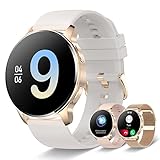


As an Amazon Associate, Exercise Daily earns from qualifying purchases. This post may contain affiliate links. Last updated: October 16, 2026
When using an AI volleyball jump tracker wearable, it’s crucial to avoid the following mistakes:
- Neglecting other training aspects: Don’t focus solely on jump metrics. Incorporate strength training, agility drills, and conditioning into your routine to create a well-rounded training program.
- Ignoring feedback: Utilize the data provided by the tracker to make informed adjustments to your training regimen. Skipping this step can lead to missed opportunities for improvement.
- Overtraining: Monitor your body’s response to training. Recovery is just as important as the training itself; without adequate rest, performance can decline.
- Using incorrect form: Always prioritize proper jumping techniques over achieving higher jump heights. Bad form can lead to injuries and hinder long-term progress.
Practical Implementation of AI Volleyball Jump Tracker Wearable
To make the most of your AI volleyball jump tracker, follow these practical steps:
- Initial Assessment: Start with a baseline assessment of your current jumping ability. Use the tracker to measure your jump height, take-off angle, and landing mechanics. This initial data serves as a reference point for future comparisons.
- Set Goals: Based on your assessment, set specific, measurable goals. For example, aim to increase your jump height by 3 inches over the next month. Setting realistic yet challenging goals keeps you motivated and focused.
- Incorporate Feedback: After each training session, analyze the data provided by the tracker. Identify areas for improvement and adjust your training accordingly. For instance, if your landing mechanics score is low, consider incorporating exercises that focus on stability and control.
- Regular Monitoring: Consistently track your progress over time. Adjust your goals as necessary and celebrate small victories to stay motivated. Regular check-ins can help you stay accountable and adapt your training plan based on your evolving abilities.
- Cross-Training: Engage in exercises that complement your jump training, such as plyometrics, weight training, and agility drills. This holistic approach enhances your overall athleticism and reduces the risk of overuse injuries.
| Exercise | Target Muscle | Sets | Reps | Difficulty | Safety Cue |
|---|---|---|---|---|---|
| Box Jumps | Quadriceps, Hamstrings, Calves | 3 | 8-10 | Intermediate | Land softly to absorb impact and minimize stress on your joints. |
| Depth Jumps | Explosive Power | 3 | 6-8 | Advanced | Ensure a stable landing surface to prevent injuries. |
| Squats | Legs, Core | 4 | 10-12 | Beginner | Keep your knees behind your toes to protect your knees. |
| Single-leg Deadlifts | Hamstrings, Glutes | 3 | 8-10 each leg | Intermediate | Maintain a straight back throughout the movement to avoid injury. |
Frequently Asked Questions
Q: How does the AI volleyball jump tracker measure my jumps?
A: The tracker uses built-in sensors to measure the height, angle, and duration of your jumps, providing detailed analytics on your performance. This data is crucial for understanding how to improve your jumping technique and overall athletic performance.
Q: Can I use the tracker for other sports?
A: Yes, while designed for volleyball, the jump tracker can also be beneficial for other sports requiring explosive jumping, such as basketball and track and field. Many athletes in these sports have found that the insights gained from jump tracking can lead to significant performance enhancements.
Q: How often should I train with the tracker?
A: Ideally, use the tracker during each training session to monitor your progress, but ensure you balance it with rest days to allow for recovery. Overtraining can lead to diminished returns, so listening to your body is paramount.
Q: Is the data from the tracker easy to understand?
A: Yes, most AI jump trackers come with user-friendly apps that provide easy-to-read graphs and insights on your performance metrics. These visual aids can help athletes quickly grasp their performance trends and areas needing improvement.
Q: Will this technology replace my coach?
A: No, the tracker is a tool to complement your training. A coach’s guidance is essential for technique and motivation. While technology can provide data, the human element of coaching—such as personalized feedback and encouragement—remains irreplaceable.
Conclusion
Incorporating an AI volleyball jump tracker wearable into your training routine can provide invaluable insights that lead to improved performance on the court. By understanding how to analyze and act on the data, you can refine your jumping technique and elevate your game. Remember, technology is a tool to enhance your training, not a substitute for hard work and dedication. With the right mindset and approach, you can leverage this innovative technology to reach new heights in your athletic career.
Eat daily, sleep daily, exercise daily.
These are for informational purposes only. Consult your doctor and do your own research before use.