AI Fitness Band For Sleep And Performance | Exercise Daily
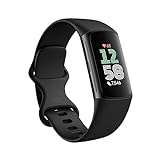
Many people believe that tracking sleep and performance with an AI fitness band is merely a fancy gimmick, but the truth is, these devices can provide invaluable insights into your health. The common misconception is that just wearing a band will automatically improve your sleep and fitness levels. However, understanding how to interpret the data and apply it to your daily routine is where the real magic happens. This article will delve into how an AI fitness band can enhance both your sleep and performance, making you more productive and healthier in the long run. For more help, see our exercise training guides.
Who This Is For
- Beginners looking to establish a regular sleep and exercise routine.
- Athletes wanting to optimize their training and recovery.
- Busy adults needing to manage sleep quality amidst hectic schedules.
- Parents who struggle to find time for self-care and wellness.
- Overweight individuals aiming to track their progress and improve overall health.
What Most People Get Wrong
One of the biggest mistakes users make is relying solely on the AI fitness band to dictate their health decisions. While these devices provide data, they do not replace the need for personal accountability and understanding your body’s signals. Many users think that achieving better sleep or performance is just about wearing the band and following its suggestions blindly. However, the effectiveness lies in actively engaging with the data, making informed choices, and adjusting your habits accordingly. For example, if your device indicates you are not getting enough REM sleep, it’s essential to consider factors like stress levels, caffeine intake, and evening routines that could be affecting your sleep quality. For more help, see our exercise training guides.
Why This Actually Works
AI fitness bands use advanced algorithms to analyze your sleep patterns, heart rate, and activity levels. This data helps you identify trends and make informed decisions about your lifestyle. For instance, a study published in the Journal of Medical Internet Research found that individuals using wearable devices to monitor their health experienced improvements in physical activity levels and sleep quality over time. The integration of artificial intelligence allows these bands to provide personalized insights tailored to your unique needs, making it easier to set realistic goals and track your progress. Additionally, the feedback loop created by the real-time data allows users to adjust their behaviors promptly, leading to more substantial improvements over time.
Mistakes to Avoid



As an Amazon Associate, Exercise Daily earns from qualifying purchases. This post may contain affiliate links. Last updated: September 16, 2026
Here are some common pitfalls to watch out for when using an AI fitness band: For more help, see our fitness performance tips.
- Ignoring the Data: Many users fail to analyze the information provided by their band. Take time to review your sleep patterns and activity levels regularly. For example, if you notice a trend of poor sleep quality on days you consume caffeine late in the day, try adjusting your intake.
- Setting Unrealistic Goals: Setting overly ambitious goals can lead to frustration. Start small and gradually increase your targets. If your current activity level is low, aim for a modest increase, such as walking 10 minutes more each day.
- Neglecting Sleep Hygiene: Relying solely on the band to improve sleep without addressing environmental factors like light, noise, and comfort can limit results. Consider creating a dark, cool, and quiet environment to enhance sleep quality.
- Overtraining: While it’s great to push yourself, be careful not to ignore the signs of fatigue. Use the band to monitor recovery and avoid burnout. For instance, if your heart rate variability decreases, it might be a signal to take a rest day.
Practical Tips for Using AI Fitness Bands
Beginner Tips
- Start by wearing your band consistently to gather baseline data. This will provide a clearer picture of your typical sleep patterns and activity levels.
- Set achievable sleep and activity goals based on your initial readings. For example, if you currently sleep an average of six hours, aim for six and a half hours for the first week.
- Take time to explore the app that accompanies your band; familiarize yourself with its features. Understanding the metrics available will help you make better use of the data.
Advanced Tips
- Integrate your band data with other health apps for a comprehensive view of your wellness. Syncing with nutrition apps can help you see how your diet affects your sleep and activity levels.
- Utilize sleep coaching features if available to improve your sleep hygiene. Many bands offer personalized recommendations based on your sleep data.
- Periodically reassess your goals based on the data trends you observe. If you find you’re consistently meeting your initial goals, it may be time to set new, more challenging ones.
Real-World Use Cases
Consider Jane, a busy professional who struggled with insomnia. By using an AI fitness band, she discovered that her sleep was often disrupted by late-night screen time. Armed with this information, she established a ‘no screens’ hour before bed, resulting in a significant improvement in her sleep quality. Another example is Mike, an athlete who used his fitness band to monitor heart rate variability. By adjusting his training intensity based on recovery data, he was able to enhance his performance without risking injury. Furthermore, Sarah, a parent with a demanding job, utilized her fitness tracker to identify patterns in her sleep disruption, which were connected to her children’s sleep schedules. By optimizing her bedtime routine, she was able to reclaim critical hours of sleep, boosting her overall energy levels.
Comparison of Popular AI Fitness Bands
| Brand | Use Case | Benefit | Caution | Best For |
|---|---|---|---|---|
| Fitbit Charge 5 | Sleep tracking | Comprehensive sleep analysis | Subscription required for advanced features | Beginners |
| Garmin Venu 2 | Performance tracking | Advanced metrics for athletes | Complex interface for new users | Athletes |
| Apple Watch Series 7 | General fitness | Integration with health apps | Higher price point | All-around users |
| Oura Ring | Sleep and recovery | Discreet and stylish | Limited fitness tracking features | Health-conscious individuals |
| Xiaomi Mi Band 6 | Budget fitness | Affordable with essential features | Less accurate for advanced metrics | Budget-conscious users |
Frequently Asked Questions
1. Can an AI fitness band really improve my sleep?
Yes, by providing insights into your sleep patterns, you can make informed adjustments to your routine that promote better sleep quality. For example, tracking your bedtime and wake-up time can help establish a consistent sleep schedule, which is crucial for restorative sleep.
2. How accurate are AI fitness bands in tracking sleep?
While they may not be 100% accurate, many bands use reliable algorithms that provide a good approximation of your sleep cycles. It’s best to think of them as tools that can help identify trends rather than precise medical devices.
3. Do I need to wear the band every night?
For the best results, yes. Consistency helps gather accurate data to track trends over time. If you only wear it sporadically, you may miss critical insights about your sleep and activity levels.
4. Can I use an AI fitness band while exercising?
Absolutely! Many bands are designed to track various physical activities, providing valuable feedback on performance. This can include metrics such as heart rate, calories burned, and even GPS tracking for outdoor activities.
5. What should I do if the data seems inaccurate?
Ensure the band is worn correctly and refer to the manufacturer’s guidelines. If issues persist, consider consulting customer support. Sometimes, recalibrating the device or updating its software can resolve accuracy issues.
6. Are there any privacy concerns with using AI fitness bands?
Yes, it’s important to review privacy policies and data-sharing settings to ensure your information is protected. Be cautious about which data you choose to share with third-party apps and services.
Conclusion
Incorporating an AI fitness band into your daily routine can significantly enhance both your sleep and performance. By understanding the data and making informed adjustments, you can optimize your health and well-being. Remember, the key is to engage actively with the insights provided by these devices, rather than passively relying on them. The right approach can help you achieve your fitness goals more effectively. Explore options that suit your lifestyle, and take the first step towards better health today. Moreover, keep in mind that while technology can aid in your health journey, the foundation of true wellness lies in balanced living, including proper nutrition, mental well-being, and regular physical activity.
- References
- Journal of Medical Internet Research
- NIH
- CDC Sleep Hygiene
- American College of Sports Medicine
Eat daily, sleep daily, exercise daily.