Beginner Fitness Routine At Home | Exercise Daily
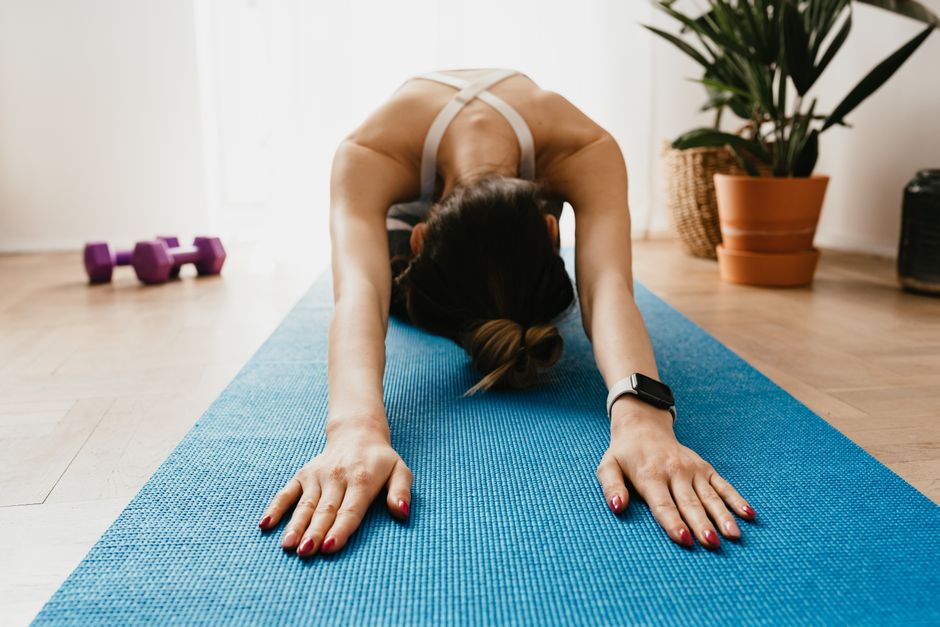
Many believe that you need a gym membership or expensive equipment to get fit, but that’s simply not true! A beginner fitness routine at home is not only achievable but can also be highly effective. With minimal space and no equipment, you can start a workout regimen that suits your lifestyle and fitness goals. Let’s break down how you can establish a solid foundation for your fitness journey right in your living room. For more help, see our exercise training guides.
Who This Is For
- Beginners who have little to no experience with exercise.
- Busy adults looking for quick and effective workouts.
- Parents wanting to incorporate fitness into a hectic schedule.
- Overweight individuals aiming to start a healthier lifestyle.
- Recovering users who need low-impact workouts.
What Most People Get Wrong
A common misconception is that effective workouts require long hours or complex routines. Many beginners think they need to push themselves to the limit to see results, leading to burnout or injury. In reality, short, focused workouts can yield significant benefits, especially when you’re just starting out. If you’re starting or returning to exercise, begin slowly and build up gradually. Even five minutes of activity can provide health benefits. For more help, see our fitness performance tips.
Another mistake is neglecting bodyweight exercises. While weights can enhance strength training, bodyweight exercises are incredibly effective for building strength, flexibility, and endurance without needing any equipment. They can be scaled to match your fitness level and can be done anywhere. For example, push-ups can be modified to knee push-ups for beginners, making them accessible while still challenging.
Why This Actually Works
A beginner fitness routine at home works because it allows you to build consistency and confidence in your abilities. By focusing on bodyweight exercises, you engage multiple muscle groups, improve coordination, and enhance your cardiovascular health—all essential components of fitness. Choose a time and space at home that fit your routine, and use a weekly activity plan to track your sessions.
Additionally, working out at home means you can tailor your routine to fit your schedule. This flexibility is crucial for maintaining a sustainable fitness habit. As you develop strength and endurance, you can progressively increase the difficulty of your workouts, ensuring continued improvement. Utilizing apps or online videos can also provide guidance and keep workouts engaging, allowing you to explore new exercises and routines.
Mistakes to Avoid
- Skipping Warm-Ups: Always begin with a warm-up to prepare your muscles and prevent injury. A simple warm-up can include dynamic stretches like arm circles or leg swings.
- Ignoring Form: Quality over quantity—focus on performing exercises correctly rather than rushing through them. Proper form helps prevent injuries and maximizes the effectiveness of the workout.
- Inconsistent Schedule: Establish a regular workout schedule to build a habit and track your progress. Consistency is key; consider scheduling your workouts like appointments to ensure you stick to them.
- Neglecting Recovery: Allow your body time to recover to avoid overtraining and burnout. Recovery is just as important as the workouts themselves, as it allows your muscles to repair and grow stronger.
Beginner Fitness Routine at Home
Here’s a simple yet effective routine to get you started. This routine requires no equipment and can be completed in about 30 minutes. Perform this routine 3-4 times per week. The following exercises target major muscle groups and are designed to improve strength and endurance. For more help, see our wellness and recovery habits.
| Exercise | Target Muscle | Sets | Reps | Difficulty | Safety Cue |
|---|---|---|---|---|---|
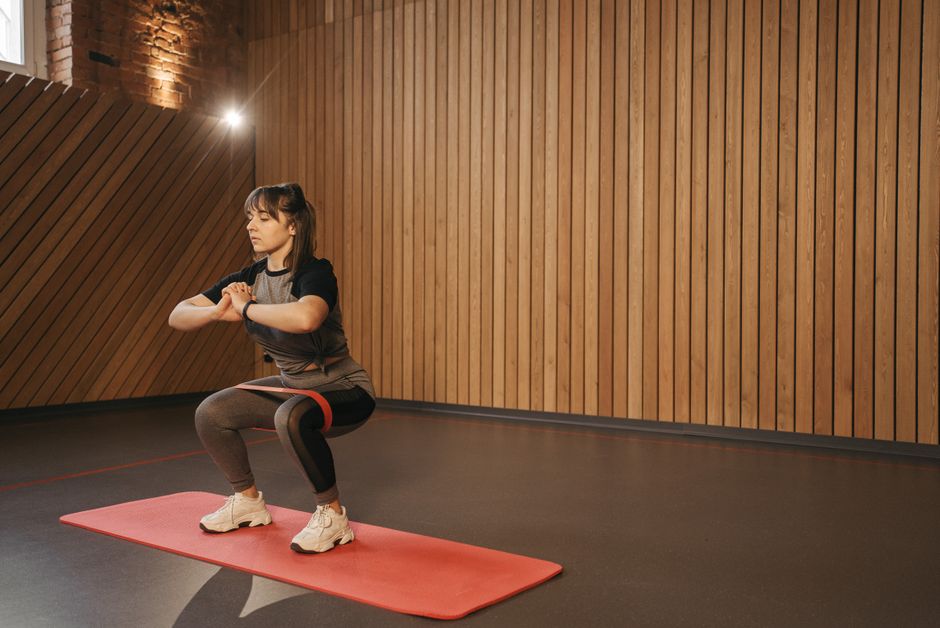
| Bodyweight Squats | Legs, Glutes | 3 | 10-15 | Easy | Keep knees behind toes |
| Push-Ups | Chest, Arms | 3 | 5-10 | Moderate | Keep body straight |
| Plank | Core | 3 | 20-30 seconds | Easy | Keep back straight |
| Lunges | Legs, Glutes | 3 | 10-12 | Moderate | Don’t let front knee go past toes |
| Mountain Climbers | Core, Cardio | 3 | 30 seconds | Moderate | Keep hips down |
Beginner Tips
- Start slow and focus on mastering the form before increasing intensity. This approach helps build a solid foundation and reduces the risk of injury.
- Incorporate rest days to allow your muscles to recover. Recovery is crucial for muscle growth and overall fitness improvements.
- Stay hydrated and consider a balanced diet to fuel your workouts. Proper nutrition supports your energy levels and enhances recovery.
Advanced Tips
- Once you’re comfortable, add variations to each exercise, such as incline push-ups or jump squats. Variations can make workouts more challenging and engaging.
- Increase the number of sets or reps gradually as you build strength. Progressive overload is key to continued improvement in fitness.
- Consider incorporating resistance bands or dumbbells for additional challenges. These tools can enhance your workouts and allow for a greater range of exercises.
Frequently Asked Questions
1. How long should I work out as a beginner?
Start with 20-30 minutes of exercise 3-4 times a week. As you build endurance, you can gradually increase the duration. It’s essential to listen to your body and adjust your workout times as needed.
2. Do I need equipment for a home workout?
No, you can effectively work out using just your body weight. However, light weights or resistance bands can enhance your routine as you progress. Even household items, such as water bottles or backpacks filled with books, can serve as effective weights.
3. How can I stay motivated to exercise at home?
Set specific goals, track your progress, and vary your workouts to keep them interesting. Joining online fitness communities can also provide support. Consider finding a workout buddy or accountability partner to help keep you motivated.
4. Can I lose weight with a home workout routine?
Yes, a consistent home workout routine combined with a healthy diet can lead to weight loss. Focus on creating a calorie deficit by burning more calories than you consume. Monitoring your food intake can be beneficial in achieving your weight loss goals.
5. What should I do if I feel pain during a workout?
Stop the exercise immediately. If the pain persists, consult a healthcare professional. Always listen to your body and avoid pushing through pain. Learning the difference between discomfort and pain is crucial; some muscle soreness is normal, but sharp pain is a sign to stop.
6. How can I incorporate flexibility training?
Add stretching or yoga sessions to your routine at least once a week to improve flexibility and prevent injuries. Flexibility training enhances your overall performance and can lead to better posture and reduced muscle tension.
Establishing a beginner fitness routine at home can transform your health and well-being. By focusing on consistency and proper technique, you’ll set the stage for long-term success. Remember, every step counts, no matter how small. Start today, and enjoy the journey!
Eat daily, sleep daily, exercise daily.
These are for informational purposes only. Consult your doctor and do your own research before use.