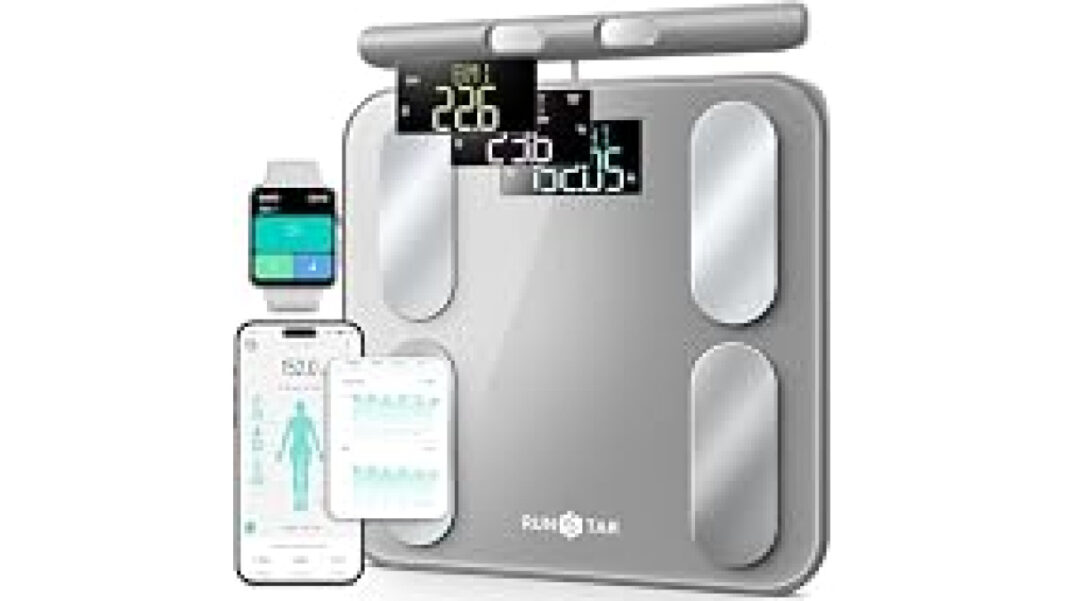
AI Sports Performance Technology Under $500 | Exercise Daily
Many athletes believe that top-tier sports performance technology is only for the elite, but that’s a myth. You can significantly enhance your training and performance with AI sports performance technology under $500. This article will break down the best options available, helping you make informed choices that fit your budget and boost your athletic capabilities. With the rapid advancements in technology, there are now affordable tools that can help you track your workouts, monitor your health, and provide insights that were previously reserved for professional athletes. For more help, see our exercise training guides.
Who This Is For
- Beginners looking to track their progress and improve technique.
- Amateur athletes aiming to enhance performance without breaking the bank.
- Busy adults who want efficient training solutions.
- Parents seeking ways to keep their kids active and engaged in sports.
- Individuals recovering from injuries wanting to monitor their rehabilitation effectively.
These technologies are not just for elite athletes; they cater to anyone interested in improving their physical fitness or athletic performance. By leveraging AI sports performance technology, users can gain valuable insights into their habits, recovery, and overall health, making it easier to reach their fitness goals. For more help, see our exercise training guides.
What Most People Get Wrong
A common misconception is that you need to invest thousands in technology to see a real impact on your performance. While high-end devices do offer advanced features, many affordable options provide substantial benefits. People often overlook budget-friendly devices that utilize AI to analyze performance metrics and offer personalized feedback. This oversight can lead to missed opportunities for improvement. For more help, see our fitness performance tips.
Moreover, many users fail to understand that the effectiveness of these devices often lies in how they are utilized. Simply owning a device does not guarantee improved performance; it requires active engagement and a willingness to learn from the data provided. Furthermore, some athletes may dismiss these technologies entirely, believing they are unnecessary or too complicated. However, even basic tools can greatly enhance training efficiency and effectiveness.
Why This Actually Works
AI sports performance technology uses algorithms to analyze data collected from workouts, games, or training sessions. These tools can track metrics such as heart rate, movement patterns, and even environmental conditions. By providing personalized insights and recommendations, these technologies help athletes make data-driven decisions to enhance their performance. Research shows that athletes who use data analytics can improve their performance metrics significantly (Meyer et al., 2021).
For example, a running app may analyze your pace and heart rate over time, offering tailored training plans based on your performance trends. By identifying when you are overtraining or undertraining, these tools can help you adjust your workouts accordingly, leading to improved endurance and speed. Additionally, many devices can connect to your smartphone, providing real-time feedback during workouts, which can be crucial for making immediate adjustments to your technique or effort level.
Mistakes to Avoid


As an Amazon Associate, Exercise Daily earns from qualifying purchases. This post may contain affiliate links. Last updated: October 3, 2026
When using AI sports performance technology, avoid the following mistakes:
- Ignoring the data: Collecting data without analyzing it is pointless. Make sure to review your metrics regularly to understand your strengths and weaknesses. Set aside time each week to go over your performance metrics and identify areas for improvement.
- Over-reliance on technology: While technology is a great tool, it should complement your training, not replace traditional methods like coaching and practice. Balance your reliance on data with practical experience and feedback from coaches or training partners.
- Neglecting proper setup: Ensure that devices are calibrated correctly for accurate readings. Poor setup can lead to misleading data. Always follow the manufacturer’s instructions for setup and calibration to ensure that you are getting the most accurate information possible.
Best AI Sports Performance Technology Under $500
Here’s a table comparing some of the best AI sports performance technologies available for under $500:
| Product | Use Case | Benefit | Caution | Best For |
|---|---|---|---|---|
| Whoop Strap 3.0 | Sleep & Recovery | 24/7 heart rate monitoring, recovery insights | Subscription fee for full features | Athletes focused on recovery |
| Garmin Forerunner 245 | Running & Fitness Tracking | Advanced running dynamics, training plans | May be complex for beginners | Runners and triathletes |
| Polar H10 Heart Rate Sensor | Heart Rate Monitoring | High accuracy, versatile connectivity | Requires compatible devices | All fitness levels |
| Fitbit Charge 5 | General Fitness Tracking | Stress management, daily activity tracking | Battery life may vary | Casual users and fitness enthusiasts |
Each of these devices offers unique features that cater to different aspects of sports performance. For instance, the Whoop Strap focuses heavily on recovery, making it an excellent choice for athletes who train intensely and need to monitor their recovery metrics closely. The Garmin Forerunner 245, on the other hand, is particularly suited for runners who want detailed insights into their running form and performance over time.
When selecting a device, consider your specific needs and how you plan to integrate the technology into your training regime. Whether you are focusing on improving your endurance, tracking your heart rate, or managing your recovery, there is an affordable option that can help you achieve your goals.
Beginner Tips
If you’re new to using AI sports performance technology, consider the following tips:
- Start with one device: Choose one technology that aligns with your goals, such as a fitness tracker or heart rate monitor. This approach helps you avoid feeling overwhelmed by multiple metrics and allows you to focus on mastering one tool at a time.
- Set realistic goals: Use the data to set achievable performance targets, whether that’s improving your running speed or increasing your gym strength. Establish short-term and long-term goals to keep your training focused and motivating.
- Review your data weekly: Take time to analyze your metrics and adjust your training plan as needed. Look for trends in your performance data and make informed decisions about how to adapt your workouts for better results.
As a beginner, it’s important to cultivate a routine that incorporates the insights gained from your device without becoming overly reliant on it. Start by integrating the technology into your training sessions gradually, allowing yourself time to learn how to interpret the data effectively.
Advanced Tips
For those who are more experienced, here are some advanced strategies:
- Integrate multiple devices: Use a combination of technology for a more comprehensive view of your performance, such as a heart rate monitor alongside a GPS watch. This multi-faceted approach can provide deeper insights into how different variables affect your performance.
- Utilize software for analysis: Consider using apps that sync with your devices to provide deeper insights and trend analysis. Many platforms allow you to visualize your data, making it easier to understand patterns and progress over time.
- Connect with a coach: Share your data with a coach who can help you interpret it and refine your training approach. A knowledgeable coach can provide personalized feedback and adjustments based on your performance metrics.
These advanced strategies can help you maximize the potential of your AI sports performance technology, allowing you to fine-tune your training and achieve even greater results. By combining technology with expert guidance, you can push your limits and reach new heights in your athletic journey.
Frequently Asked Questions
1. Can I use AI sports performance technology without being an athlete?
Absolutely! These technologies can benefit anyone interested in fitness, from casual gym-goers to those looking to improve their health. Whether you’re aiming to lose weight, build muscle, or simply maintain an active lifestyle, these tools can provide insights that help you stay on track.
2. Are cheaper devices less accurate?
Not necessarily. Many affordable devices use advanced algorithms and sensors that provide accurate data. Always check reviews and user experiences. It’s also important to remember that the accuracy of the data can depend on how you use the device, including factors such as proper calibration and consistent usage.
3. How often should I update my technology?
Keep an eye on advancements in technology. If a device significantly improves your training or recovery, it might be worth upgrading. However, if your current device meets your needs and provides valuable insights, there may be no rush to upgrade. Regularly evaluate whether your current technology continues to serve your goals effectively.
4. Is it worth the investment if I’m just starting?
Investing in a basic device can provide valuable insights that help you stay motivated and track your progress effectively. Starting with a simple tool can help you develop a better understanding of your body and performance over time, ultimately enhancing your training experience.
- References
- Meyer, J., et al. (2021). The effect of data analytics on athletic performance.
- American College of Sports Medicine. (2020). The role of technology in sports performance.
- World Health Organization. (2019). Technology and health: A review of the literature.
- National Institutes of Health. (2020). The impact of wearable technology on sports performance.
Whether you’re a beginner or an experienced athlete, leveraging AI sports performance technology under $500 can help you unlock your true potential. With the right tools, you can monitor your progress, enhance your training, and achieve your fitness goals more efficiently. Remember to assess your specific needs, avoid common pitfalls, and continually adapt your approach based on the insights you gain. Embrace the technology, and you’ll find it a valuable ally on your fitness journey.
Eat daily, sleep daily, exercise daily.