AI Fitness Coaching Platform For Remote Athletes | Exercise Daily
Many believe that personalized coaching is only effective in person, but AI fitness coaching platforms are proving that remote athletes can achieve remarkable results from anywhere. This myth often leads to the misconception that you need a physical trainer to reach your fitness goals. With the rise of technology, remote athletes can now access tailored workout plans, nutrition guidance, and real-time feedback through AI-driven platforms. This article will explore the benefits of AI fitness coaching, who it’s for, what most people get wrong, and why it works so effectively. For more help, see our nutrition and recovery advice.
Who This Is For
- Beginners who need structured guidance to start their fitness journey.
- Busy adults looking for flexible workout options that fit into their schedules.
- Parents wanting to maintain fitness while managing family responsibilities.
- Overweight users aiming for a safe and effective approach to weight loss.
- Recovering users who need a customized plan to ease back into fitness.
In addition, AI fitness coaching is also suitable for:
- Competitive athletes: Those looking to enhance their performance through data-driven insights and targeted training regimens.
- Fitness enthusiasts: Individuals who enjoy experimenting with new workouts and want to keep their routines fresh and engaging.
- Individuals with specific health conditions: Tailored programs can cater to those managing chronic conditions, ensuring safety and effectiveness.
What Most People Get Wrong
A common mistake is assuming that AI coaching lacks the personal touch of a human trainer. Many people believe that algorithms cannot understand individual needs or provide motivation. However, AI platforms are designed to learn from user data, adapt to their progress, and offer personalized feedback based on performance metrics. They can analyze your workouts, suggest adjustments, and even remind you of your goals, which can often surpass the capabilities of a single human coach who may not be available 24/7.
Moreover, it’s important to recognize that AI fitness platforms are equipped with advanced technologies that can analyze patterns over time. For instance, these systems can identify when a user is plateauing in their progress and adjust the workout intensity or type accordingly. This level of adaptability is often not feasible with a human trainer, who may not have the same data-driven insights at their disposal.
Why This Actually Works
AI fitness coaching platforms utilize sophisticated algorithms that analyze user data, including workout history, physical attributes, and personal goals. This data-driven approach allows for the creation of highly customized training and nutrition plans. For instance, platforms like Fitbod and Freeletics use machine learning to adjust workouts in real-time based on user feedback, ensuring that the training remains effective and engaging.
Additionally, these platforms often incorporate elements of gamification, which can enhance motivation. Features such as achievement badges, leaderboards, and social sharing create a community feel, encouraging users to stay committed to their fitness journey. Gamification taps into the human psychology of reward and recognition, which can significantly boost adherence to fitness goals.
Furthermore, the accessibility of AI fitness coaching means that users can engage with their training at any time and from any location. This flexibility is particularly advantageous for remote athletes, who may not have access to traditional fitness facilities or coaching. The ability to receive guidance and support 24/7 empowers users to take control of their fitness journey, making it a more self-directed and fulfilling experience.
Mistakes to Avoid


As an Amazon Associate, Exercise Daily earns from qualifying purchases. This post may contain affiliate links. Last updated: October 19, 2026
When using AI fitness coaching platforms, there are several pitfalls to be aware of:
- Ignoring Feedback: Utilize the feedback provided by the platform. Adjust your workouts based on what the AI suggests to maximize results. Ignoring this can lead to stagnation in progress.
- Overtraining: Many users push themselves too hard without proper recovery. Pay attention to your body and take rest days seriously. Overtraining can lead to injuries and burnout.
- Neglecting Nutrition: Exercise alone is not enough. Pair your workout regimen with a well-balanced diet to fuel your body effectively. Consider consulting with a nutritionist if your platform does not offer comprehensive dietary guidance.
- Setting Unrealistic Goals: While ambition is great, ensure your goals are achievable. Start small and gradually increase your targets. This incremental approach can prevent discouragement and promote long-term success.
Practical Examples of AI Fitness Coaching
Let’s delve into some examples of how AI coaching can be implemented effectively: For more help, see our nutrition and recovery advice.
Beginner Tips
- Start with a fitness assessment: Many platforms offer assessments to gauge your current fitness level. Use this to customize your plan, as it can highlight areas needing improvement.
- Set clear, measurable goals: Instead of vague goals like “get fit,” aim for specifics, such as “exercise 3 times a week for 30 minutes.” This clarity can help you track your progress more accurately.
- Utilize video demonstrations: Many AI platforms include videos that demonstrate exercises to ensure you maintain proper form. This is crucial for preventing injuries and maximizing workout effectiveness.
Advanced Tips
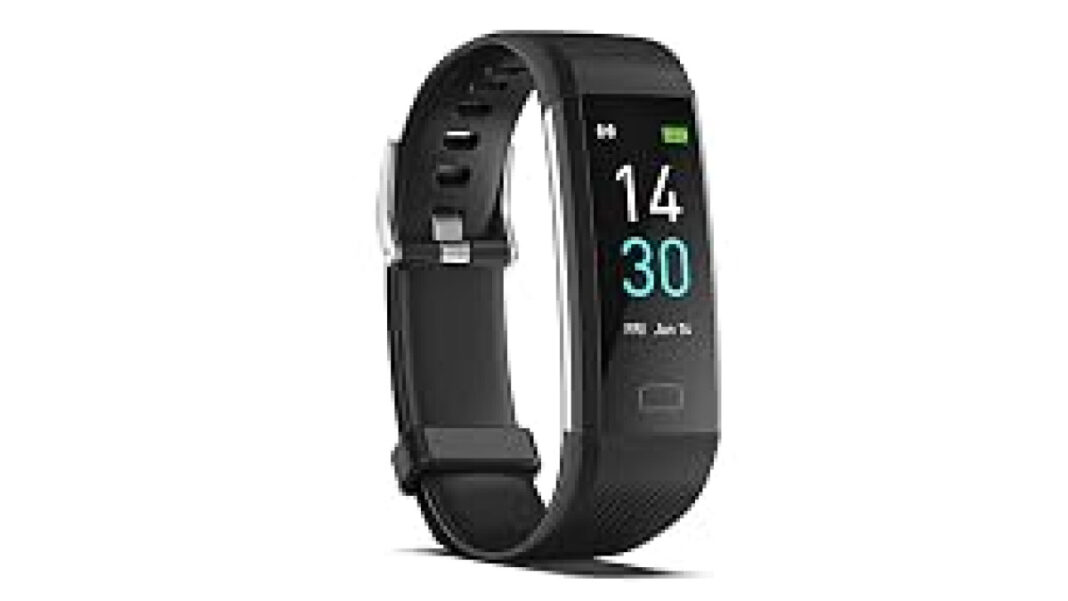
- Integrate wearables: Use devices like smartwatches to track your heart rate, sleep, and activity levels, allowing the AI to provide even more tailored advice. This data can help fine-tune your workouts based on real-time metrics.
- Experiment with different routines: Don’t hesitate to switch things up. Use the platform’s suggestions to try new workouts and avoid plateaus. Variety can keep your training exciting and prevent boredom.
- Engage with the community: Many platforms have forums or social features. Share your progress and challenges for motivation and support. Building a network of like-minded individuals can foster accountability and encouragement.
Sample Workout Table
| Exercise | Target Muscle | Sets | Reps | Difficulty | Safety Cue |
|---|---|---|---|---|---|
| Push-ups | Chest, Triceps | 3 | 8-12 | Beginner | Keep your back straight. |
| Squats | Legs, Glutes | 4 | 10-15 | Intermediate | Keep your knees behind your toes. |
| Deadlifts | Back, Legs | 3 | 6-10 | Advanced | Maintain a neutral spine. |
Frequently Asked Questions
What is an AI fitness coaching platform?
AI fitness coaching platforms use algorithms and data analysis to create personalized workout and nutrition plans for users, adjusting them based on progress. For more help, see our nutrition and recovery advice.
Can I trust AI coaching to give me the same results as a human coach?
While AI coaching can be highly effective, the results depend on user engagement and adherence to the program. Many users find success using these platforms, especially when they actively participate in their fitness journey.
How do I choose the right AI fitness platform for me?
Consider factors like your fitness level, specific goals, and the types of workouts you enjoy. Look for platforms that offer a trial period to test their services. Reading user reviews and testimonials can also provide insights into the platform’s effectiveness.
Is AI fitness coaching suitable for everyone?
Yes, AI coaching can cater to a wide range of fitness levels and goals, from beginners to advanced athletes. It’s particularly beneficial for those who prefer flexibility and autonomy in their training.
How can I stay motivated using an AI platform?
Engage with community features, track your progress, and set achievable goals to maintain motivation throughout your fitness journey. Additionally, consider rewarding yourself for reaching milestones to create a positive reinforcement loop.
Extra Value: Quick Recovery Tips
After a workout, prioritize recovery with these simple tips:
- Hydrate thoroughly to replenish lost fluids. Consider electrolyte drinks after intense sessions.
- Incorporate stretching or yoga to improve flexibility and reduce soreness. This can help maintain your range of motion and prevent injuries.
- Consider foam rolling to relieve muscle tension. This self-myofascial release technique can enhance recovery and improve circulation.
- Ensure adequate sleep for muscle recovery and overall well-being. Aim for 7-9 hours of quality sleep each night to support your training efforts.
- References
AI fitness coaching platforms are transforming how remote athletes train, making personalized fitness more accessible than ever. By leveraging technology, these platforms can provide tailored workouts, nutrition guidance, and ongoing support that adapts to your progress. Embrace the future of fitness coaching and watch your performance soar.
Eat daily, sleep daily, exercise daily.
These are for informational purposes only. Consult your doctor and do your own research before use.