
Weighted Jump Rope for Strength and Cardio Training: The Ultimate Fitness Debate
The fitness world is divided over the weighted jump rope. On one hand, enthusiasts laud it as a game-changer for combining cardiovascular endurance with strength conditioning. On the other, skeptics claim it complicates a simple exercise, raising injury risks without proportionate benefits. But when it comes to strength and cardio, can a weighted jump rope justify the hype and criticism? Let’s dig deep, challenge assumptions, and translate this contentious piece of equipment into your next powerhouse workout tool.
What Is a Weighted Jump Rope and Who Is It For?
A weighted jump rope differs from a standard jump rope by incorporating weighted handles or a weighted cable itself, typically ranging from 0.5 to 2 pounds per handle or more. This added resistance intensifies the effort required to rotate the rope, thereby engaging muscles beyond what a traditional jump rope achieves.
Weighted jump ropes are tailored for:
- Gym-goers aged 20-34: Looking to supercharge their cardio sessions with added muscle activation.
- Athletes: Seeking functional endurance and explosive power enhancements.
- Home workout users: Wanting full-body workouts with limited equipment.
- Recovery-focused individuals: Using controlled resistance for rehab and conditioning, where appropriate.
However, it’s crucial to approach this tool with a clear understanding of personal fitness levels and goals due to its inherent challenges.
Benefits and Limitations: What You Need to Know
Benefits:
- Enhanced Muscle Engagement: The added weight recruits forearm, shoulder, and core muscles intensely, promoting strength adaptation alongside cardio.
- Improved Caloric Burn: Weighted jump ropes increase workout intensity, driving higher calorie expenditure compared to standard ropes.
- Functional Conditioning: Mimics sport-specific dynamics by integrating power, coordination, and endurance.
- Compact and Versatile: Easy for home use, travel, and varied workout types from HIIT to steady-state cardio.
Limitations:
- Steeper Learning Curve: Increased weight affects timing and technique, which may frustrate beginners or lead to failures.
- Injury Risk: Without proper form, wrist, elbow, or shoulder strain can occur due to the extra resistance.
- Not Ideal for Everyone: People with joint issues or recovering from injuries should avoid or carefully modify usage.
- Cost and Quality Variability: Weighted jump ropes can be pricier and quality ranges highly depending on the brand.
Featured Product: Weighted Jump Rope for Strength and Cardio Training
ASIN: B08RB46DBY
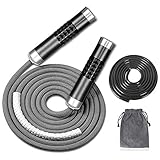
- The upgraded tangle-free double ball bearings ensures that the jump rope is free of tangle, fast and smooth, so that you can jump without any worries.
- The gold combination of 9mm braided cotton rope + 9mm solid PVC rope can not only prolong your jumping rope life by at least two times, but also make your jump rope freely switch from cotton rope to PVC rope, making your rope skipping more colorful.
- Aluminum + Silicone Grips Handle not only make the jump rope Durable, but also comfortable to grip. The raised silicone little oval design increases friction and prevents the handle from coming off during jumping.A great choice for Double Unders,Wod,MMA,Boxing and crossfit training.
- The 9mm braided cotton rope weighs 0.46LB,10 feet long ,adopts three-dimensional spiral braided structure, no odor, and adds a wear-resistant silicone protective tube, making the rope more durable. The 9mm solid PVC rope weighs 0.58LB,10 feet long , and is more wear-resistant. It needs the perfect combination of speed and strength when using.
- The whole jumping rope weighs about 1LB. The built-in lock can move freely and adjust quickly according to your height. Suitable for men, women, older and youth in indoor or outdoor rope jumping. As long as you jump up, it consumes energy! If you encounter any problems in the use, you can contact our customer service, we will quickly solve the problem for you.

As an Amazon Associate, Exercise Daily earns from qualifying purchases. This post may contain affiliate links. Last updated: October 9, 2026
Pros and Cons of Weighted Jump Ropes
- Pros:
- Builds muscular endurance while boosting cardio fitness simultaneously.
- Develops grip strength and wrist stability.
- Improves coordination and explosiveness relevant to multiple sports.
- Portable and simple equipment for comprehensive workouts.
- Cons:
- More challenging to master than traditional jump ropes.
- Potential for overuse injuries without adequate recovery.
- May not suit beginners or those with upper limb/shoulder issues.
- Some weighted ropes are bulky, impacting speed and synchronicity.
Buyer Checklist: Choosing the Right Weighted Jump Rope
- Weight per Handle or Cable: Choose based on your fitness level; beginners should start lighter (0.5–1 lb), while advanced users might go heavier (up to 2 lbs or more).
- Adjustability: Look for ropes with adjustable lengths to fit your height and jumping style.
- Handle Grip and Comfort: Ergonomic, sweat-resistant grips minimize slippage and fatigue.
- Durability Materials: Steel cables coated with PVC or similar are preferable for longevity; ensure handles are robust and balanced.
- Speed vs. Weight Balance: Some weighted ropes sacrifice speed for resistance; consider your workout style—fast-paced or power-focused.
- Portability and Storage: Compact design and included carrying case enhance usability for travel or home setups.
- Price and Warranty: Avoid overly cheap options; value better quality materials and warranty provisions.
- Reviews and Brand Reputation: Check user feedback for insights on performance and real-world durability.
For a practical option, check out this well-reviewed weighted jump rope here.
Common Mistakes to Avoid When Using a Weighted Jump Rope
- Starting Too Heavy: Jumping straight into high handle weights compromises form and increases injury risk.
- Poor Posture: Leaning forward or slouching reduces efficiency and can strain the back and shoulders.
- Overtraining: Ignoring recovery protocols leads to joint pain and overuse injuries.
- Incorrect Jumping Technique: Excessive jumping height or improper wrist rotation wastes energy and reduces rope speed.
- Neglecting Warm-Up and Cool-Down: Skipping these phases limits performance and recovery.
Safety Tips and Who Should Avoid Weighted Jump Ropes
Safety can’t be overstated with weighted jump ropes. Here’s what to keep in mind:
- Warm-up Thoroughly: Include dynamic stretches for wrists, shoulders, and calves before jumping.
- Focus on Wrist Rotation: The rope should primarily spin from the wrists and forearms, not the arms or shoulders.
- Use Appropriate Surface: Avoid hard concrete; opt for rubber flooring, gym mats, or wooden floors to reduce joint impact.
- Start Slow: Begin with short, manageable intervals and low weights.
- Listen to Your Body: Stop if you feel sharp pain or discomfort, especially in wrists, elbows, or knees.
- Who Should NOT Use: Individuals with wrist/shoulder injuries, chronic joint problems, pregnant women (without medical advice), or those new to jump roping should avoid weighted ropes or consult professionals first.
Alternatives and Complementary Recovery Habits
While weighted jump ropes combine cardio with strength, they’re not a one-size-fits-all solution. Consider these alternatives or supplements for balanced training and recovery:
- Standard Jump Rope: Easier to master for beginners and focused cardio.
- Battle Ropes: For upper body strength and endurance with less impact on joints.
- Resistance Band Exercises: Complement jump rope workouts for muscle activation and rehab.
- Low-impact Cardio Machines: Such as elliptical or rowing for joint-friendly endurance building.
- Foam Rolling and Stretching: Essential recovery habits to reduce soreness and improve mobility—read more in our recovery section.
- Proper Nutrition and Hydration: Fuel your body with balanced meals and adequate fluids as detailed in our nutrition resources.
Related Exercise Daily Resources
- Exercise Techniques and Tips
- Advanced Fitness Workouts
- Nutrition for Performance and Recovery
- Wellness and Injury Prevention
- Natural Remedies for Muscle Soreness
Frequently Asked Questions (FAQ)
- Q: How heavy should my weighted jump rope handles be as a beginner?
A: Start with handles weighing around 0.5 to 1 pound. This allows you to focus on form without excessive strain. - Q: Can weighted jump rope training replace strength training?
A: While weighted ropes improve muscular endurance and grip strength, they are not a substitute for comprehensive strength training like weight lifting. - Q: How often should I use a weighted jump rope to avoid injury?
A: Limit usage to 2-3 times per week initially with rest days in between. Listen to your body and allow joint recovery. - Q: Is a weighted jump rope suitable for weight loss?
A: Yes, its high-intensity nature can support fat loss when combined with proper nutrition and overall training. - Q: Can older adults benefit from weighted jump ropes?
A: Caution is advised; low-impact and lighter options are preferred. Consultation with a healthcare provider is recommended. - Q: What muscles does a weighted jump rope target more than a regular rope?
A: Primarily forearms, shoulders, and core muscles receive more activation due to the added resistance. - Q: How do I maintain my weighted jump rope?
A: Keep the cable clean and dry, avoid tangling, store it in a cool place, and periodically check handles for wear.
Final Verdict
The weighted jump rope is not for the faint-hearted or casual user, but for those ready to embrace a challenging fusion of strength and cardio, it offers compelling benefits. It pushes your muscles harder, ramps up calorie burn, and builds athleticism. But it is also unforgiving to poor technique and overuse, demanding respect and patience.
When chosen wisely and used responsibly, the weighted jump rope is a versatile addition to any fitness arsenal—especially for gym-goers ages 20-34, athletes, and dedicated home trainers. Pair it with proper recovery, progressive loading, and a sound nutritional plan, and it can transform your fitness trajectory. Just don’t let the hype blind you to proper form and safety.
Evidence and References
Research from trusted institutions like the American College of Sports Medicine (ACSM) demonstrates the cardiovascular improvements achievable through jump rope training, emphasizing enhanced VO2 max and endurance. Peer-reviewed studies in sports medicine journals highlight the efficacy of weighted implements in promoting muscular endurance and grip strength. However, literature also identifies increased biomechanical load risks, underscoring injury prevention and gradual progression. Clinical guidelines from the CDC advocate for balanced cardio-resistance protocols, supporting the integration of weighted jump ropes as a valid, though demanding, fitness tool. Users are advised to blend such training with comprehensive warm-ups, mobility work, and recovery strategies featured in current exercise science and rehabilitation reviews.
Exercise Daily Editorial Note
Exercise Daily is dedicated to helping readers make informed decisions about exercise, fitness, nutrition, wellness, recovery, natural remedies, weight management, sports performance, and healthy living.
Through Exercise Daily Media Lab (EDML), we publish, promote, and train simultaneously while creating practical opportunities for students, interns, businesses, wellness professionals, and community members to gain real-world experience in digital publishing, content creation, SEO, affiliate marketing, and AI-assisted media production.
Our mission is to encourage healthier communities through education, workforce development, practical wellness information, and accessible fitness resources that help people build stronger, healthier habits.
Explore More on Exercise Daily
Eat daily, sleep daily, exercise daily.