Weightlifting Gloves with Non-Slip Grip: A Heated Debate on Necessity and Effectiveness
Weightlifting gloves with non-slip grip have become a staple accessory in the gym bag of many athletes, home workout enthusiasts, and recovery-focused individuals. But the question remains: Are these gloves truly essential, or just a trendy crutch that can hamper natural grip strength development? This debate splits gym-goers across the board. Some swear by their gloves, citing enhanced grip, injury prevention, and comfort, while others argue that gloves inhibit tactile feedback and weaken your hands over time. In this article, we’ll challenge the myths, unpack the science, and provide practical advice so you can make an informed investment in your training regimen.
What Are Weightlifting Gloves with Non-Slip Grip and Who Should Use Them?
Weightlifting gloves with non-slip grip are specialized handwear designed to improve grip security and protect your palms during lifting sessions. They commonly incorporate latex, silicone, or rubberized patterns on the palm area to prevent slipping on bars or dumbbells. The gloves often combine materials such as breathable mesh, neoprene, or synthetic leather to balance durability, support, and comfort.
These gloves cater to various users, including:
- Gym-goers who frequently handle heavy barbells or dumbbells and want to combat sweaty palms.
- Athletes who require enhanced grip security during complex routines, such as Olympic lifting or CrossFit.
- Home workout users who may lack access to chalk or specialized gym equipment.
- Recovery-focused individuals managing hand or wrist conditions that benefit from added padding.
In essence, if you experience slipping, blisters, calluses, or wrist discomfort during lifts, these gloves might be worth a closer look.
Benefits and Limitations of Weightlifting Gloves with Non-Slip Grip
Benefits
- Enhanced Grip Stability: The non-slip material provides a better hold on slippery bars, increasing confidence during lifts like deadlifts, pull-ups, and rows.
- Callus and Blister Prevention: Gloves reduce direct friction between your skin and lifting equipment, preserving hand integrity over time.
- Wrist Support Options: Some gloves come with integrated wrist wraps, offering joint stability especially during heavy lifting.
- Improved Hygiene: Wearing gloves can create a barrier against shared gym equipment germs and bacteria.
- Comfort and Temperature Control: Gloves can offer warmth during colder workouts and wick away sweat in warmer environments.
Limitations
- Reduced Tactile Feedback: Gloves can dull your sense of grip, potentially leading to overcompensation or improper form.
- Dependence Risk: Over-reliance on gloves may weaken natural hand strength and grip over time.
- Fit and Durability Concerns: Poorly fitted gloves can slip themselves or wear out quickly, risking safety and discomfort.
- Hygiene Pitfall: If not washed regularly, gloves can harbor sweat and bacteria, risking skin infections.
- Expense: Quality gloves with durable non-slip material can be pricier than basic options.
Featured Product: Weightlifting Gloves with Non-Slip Grip
ASIN: B07V587WV6
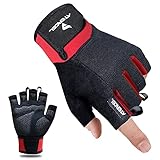
- Innovative Palm Design Maximizes Your Grip: We researched how hundreds of people use workout gloves to enhance our ergonomic design, leverage the muscle direction and placement and optimize grip functionality all to bring you a better glove. The result protects your hands from calluses, reduces friction discomfort all while still maintaining a strong grip on what you are holding onto.
- Unrivaled Comfort: Atercel workout gloves is made of lightweight, breathable and stretchy material, to increases flexibility, comfort and fit. Ideal for general workout, weight lifting, exercise, gym training and cycling.
- Size for Success: This exercise gloves is snug-fit design. We offer 5 different sizes for you to maximize effectiveness (XSmall: 6.3 to 6.9 inches; Small: 6.9 to 7.5 inches; Medium: 7.5 to 8.1 inches; Large: 8.1 to 8.9 inches; XLarge: 8.9 to 9.6 inches), great choice for both men and women. Slip your hands into the gloves and adjust the wraps for a personalized fit.
- Humanized Design: Atercel workout gloves are designed with a pull loop system for easy removal. A towelling panel on the back of the glove for wiping away sweat, and the soft mesh fabric inside fit the front of hand to keep your palm cool and dry all workout long.
- Your Satisfaction is Our Top Priority: We believe you'll love our workout gloves. If you have any problem with your purchase, we'll be happy to solve it for you. So purchase now to bring your game to the next level.

As an Amazon Associate, Exercise Daily earns from qualifying purchases. This post may contain affiliate links. Last updated: October 8, 2026
Pros and Cons of Weightlifting Gloves with Non-Slip Grip
Pros
- Increased lifting confidence with secure grip.
- Protection against calluses and skin tears.
- Added wrist stabilization in certain designs.
- Improved hygiene and comfort in shared gym settings.
- Beneficial for users in humid or sweaty conditions.
Cons
- May numb tactile feedback needed for optimal form.
- Potential to weaken intrinsic hand muscles long-term.
- Inconvenience of cleaning and drying gloves frequently.
- Not ideal for exercises requiring delicate grip adjustments.
- Possible fit issues leading to distraction or injury.
Buyer Checklist: What to Look for in Weightlifting Gloves with Non-Slip Grip
- Grip Material: Prioritize gloves with high-quality silicone or rubberized palms for maximal non-slip properties.
- Fit and Size: Choose gloves that snugly fit your hand without cutting circulation or causing discomfort.
- Breathability: Gloves should include mesh or moisture-wicking layers to reduce sweat accumulation.
- Padded vs. Minimal: Decide if you prefer thick padding for protection or thinner styles for better bar feel.
- Wrist Support: Consider integrated wraps if you need stability; remove if you want a freer wrist movement.
- Durability: Read reviews to confirm longevity, especially at stress points like palm and fingers.
- Easy Cleaning: Look for machine washable or quick-dry materials.
- Style and Price: Balance aesthetics with budget; avoid overpaying for unnecessary features.
Common Mistakes to Avoid When Using Weightlifting Gloves with Non-Slip Grip
- Choosing the Wrong Size: Gloves too large reduce grip effectiveness; too tight cause numbness.
- Ignoring Hygiene: Not cleaning gloves regularly can lead to unpleasant odors or infections.
- Overusing Gloves: Using gloves for all lifts may limit natural grip strength development.
- Neglecting Skin Care: Failing to moisturize or inspect hands can still cause cracks or calluses under gloves.
- Buying Cheap Gloves: Low-quality materials degrade quickly and offer poor grip, defeating purpose.
- Using Inappropriate Gloves for Specific Lifts: Some gloves restrict wrist mobility, which may harm exercises like clean and jerks.
Safety Tips and Who Should Not Use Weightlifting Gloves with Non-Slip Grip
While gloves enhance safety by improving grip, improper use can lead to injury. Here are critical safety guidelines:
- Check Fit Regularly: Swelling from intense workouts may affect glove fit; adjust or replace accordingly.
- Inspect Gloves Before Each Use: Look for tears or worn grip zones that could compromise performance.
- Avoid Moisture Buildup: Change gloves if sweaty to prevent slipping from inside your glove.
- Use Gloves Judiciously: Incorporate grip training without gloves to maintain hand strength.
Who should avoid or limit usage?
- Individuals with compromised hand sensation (e.g., neuropathy) who may lose feedback.
- People recovering from wrist or hand injuries requiring direct physiotherapy rather than glove assistance.
- Athletes in disciplines demanding maximal tactile sensitivity (e.g., rock climbers, Olympic lifters training technique).
Alternatives or Complementary Recovery Habits to Enhance Grip and Hand Health
Weightlifting gloves aren’t the only solution. Consider these alternatives or supplements:
- Chalk: A time-tested grip enhancer that absorbs sweat without reducing tactile sensation.
- Grip Trainers: Use hand grippers or putty to build intrinsic hand and forearm strength.
- Hand Care Routine: Regular moisturizing and callus removal improve comfort.
- Finger Stretching and Mobility: Keeps joints flexible and prevents overuse injuries.
- Wrist Wraps Alone: For those needing support without full glove coverage.
- Proper Recovery: Sleep, hydration, and nutrition (see nutrition and wellness categories) play essential roles in tendon and muscle health.
Frequently Asked Questions (FAQ)
- Q1: Do weightlifting gloves with non-slip grip improve performance?
They can improve grip confidence and reduce slippage, indirectly supporting better performance, but they do not enhance strength themselves. - Q2: Can gloves cause weaker grip strength over time?
If overused, gloves may lead to reduced development of natural hand strength, so alternating their use is recommended. - Q3: How do I clean weightlifting gloves?
Most gloves should be hand-washed or machine-washed on gentle cycles and air-dried to maintain material integrity. - Q4: Are gloves necessary for beginners?
Not always; beginners might benefit more from developing barehand grip skills before adopting gloves. - Q5: Can I use gloves for other exercises like pull-ups or kettlebell swings?
Yes, gloves with non-slip grip can enhance safety and comfort in many pulling and swinging movements. - Q6: What’s the difference between wrist wraps and gloves?
Wrist wraps primarily support wrist stabilization, while gloves protect the entire hand and improve grip. - Q7: Are there gluten or allergen concerns with these gloves?
Generally, gloves are made from synthetic materials, but check labels if you have latex allergies.
Final Verdict
Weightlifting gloves with non-slip grip bring undeniable benefits in grip security, skin protection, and comfort, particularly in sweaty or public gym environments. However, they are not without faults. Overdependence can sabotage natural grip development and may dull essential tactile sensations required for optimal lifting technique.
Ultimately, they serve best as a strategic accessory rather than a crutch—ideal for heavy sets, high volume sessions, or when hand protection is paramount. Pair gloves with grip-strengthening exercises and sound recovery practices (natural remedies and wellness categories provide great insights) to maximize long-term hand health and performance.
For gym-goers aged 20-34, including seasoned athletes and home users, choose quality gloves that fit well and fit your specific grip needs. Avoid cheap imitations that compromise safety, and remember that sometimes, going barehanded is the tougher but better path for raw strength gains.
Related Exercise Daily Resources
- Exercise Techniques and Workouts – Learn how glove use integrates with various lifting forms.
- Fitness Gear Reviews – Read user-tested reviews on different glove models and grip-enhancing devices.
- Nutrition for Recovery – Fuel your training and hand health with evidence-based nutrition advice.
- Wellness Strategies – Explore overall recovery practices that complement glove use.
- Natural Remedies for Soreness – Soothing remedies to expedite hand and wrist recovery post-workout.
Evidence and References
Scientific studies confirm the importance of grip strength as a predictor of overall muscular health and function (Journal of Physiology). Research published in reputed sports medicine journals has examined the effects of grip aids like gloves and chalk, showing that while gloves reduce skin injury risk, overuse may reduce intrinsic hand muscle engagement, critical for long-term performance (ACSM journals). The National Institutes of Health emphasizes balanced training to avoid muscle imbalance or sensory compromises. Peer-reviewed literature also supports the value of wrist stabilization devices in injury prevention during heavy lifting. Gym cleanliness and hygiene promoted by glove use align with Centers for Disease Control (CDC) recommendations to minimize microbial transmission in shared spaces.
Exercise Daily Editorial Note
Exercise Daily is dedicated to helping readers make informed decisions about exercise, fitness, nutrition, wellness, recovery, natural remedies, weight management, sports performance, and healthy living.
Through Exercise Daily Media Lab (EDML), we publish, promote, and train simultaneously while creating practical opportunities for students, interns, businesses, wellness professionals, and community members to gain real-world experience in digital publishing, content creation, SEO, affiliate marketing, and AI-assisted media production.
Our mission is to encourage healthier communities through education, workforce development, practical wellness information, and accessible fitness resources that help people build stronger, healthier habits.
Explore More on Exercise Daily
Eat daily, sleep daily, exercise daily.