Simple Beginner Fitness Routine | Exercise Daily
Many believe that jumping into intense workouts is the only way to see results, but the truth is, a simple beginner fitness routine can be just as effective and far more sustainable. Starting with a manageable routine not only helps in building confidence but also ensures you stay injury-free as you progress. This article focuses on a straightforward beginner fitness routine that can help you ease into a healthier lifestyle. For more help, see our exercise training guides.
Who This Is For
- Individuals new to exercise and seeking a starting point.
- Busy adults looking for efficient workouts that fit into tight schedules.
- Parents needing quick routines that can be done at home.
- Overweight users aiming to lose weight safely and effectively.
- Those recovering from injuries and wanting to ease back into fitness.
What Most People Get Wrong
One of the biggest misconceptions about starting a fitness journey is the need for complex workouts or expensive gym memberships. Many believe that without access to high-tech equipment or personal trainers, they cannot achieve their fitness goals. This belief can lead to frustration and abandonment of fitness efforts altogether. For more help, see our exercise training guides.
In reality, some of the most effective exercises can be performed with just your body weight and minimal equipment. Simplicity can be your ally, allowing you to focus on form and consistency rather than complicated routines that may lead to burnout or injury. For beginners, the focus should be on mastering basic movements, which can later be built upon as strength and confidence grow. For more help, see our exercise training guides.
Why This Actually Works
A simple beginner fitness routine works because it focuses on foundational movements that build strength, flexibility, and endurance gradually. This approach allows your body to adapt to physical stress without overwhelming it. Research from the American College of Sports Medicine (ACSM) emphasizes that starting with basic exercises increases adherence and reduces the risk of injury, making it a viable long-term strategy for fitness.
Moreover, a straightforward routine can be easily tailored to your personal preferences and lifestyle, making it more enjoyable and sustainable. It’s about creating a habit, and once you establish that, you can gradually increase intensity and complexity. Additionally, starting with manageable workouts helps to foster a positive mindset towards fitness, encouraging you to view exercise as an enjoyable and rewarding experience rather than a chore.
Mistakes to Avoid


As an Amazon Associate, Exercise Daily earns from qualifying purchases. This post may contain affiliate links. Last updated: October 25, 2026
When starting a fitness routine, some common mistakes can hinder progress:
- Skipping Warm-ups: Always include a warm-up to prepare your body for exercise and reduce injury risk. A proper warm-up increases blood flow to the muscles and enhances your range of motion, making your workout more effective.
- Neglecting Recovery: Rest days are crucial for muscle recovery and overall progress. Muscle growth occurs during rest, not during the workout itself, so ensure you allow your body ample time to recover.
- Overtraining: Many beginners are eager to see results and may push too hard, leading to burnout or injury. It’s essential to listen to your body and understand that gradual progress is the key to long-term success.
- Ignoring Nutrition: A balanced diet supports your fitness efforts. Consider checking out our nutrition section for tips on how to fuel your body properly. Remember, food is not just fuel; it plays a crucial role in your recovery and overall health.
Simple Beginner Fitness Routine
Below is a simple routine that can be performed at home with no equipment required. Aim for 3-4 sessions per week, ensuring to take rest days in between. This routine focuses on major muscle groups and incorporates movements that promote functional fitness, which is essential for everyday activities.
| Exercise | Target Muscle | Sets | Reps | Difficulty | Safety Cue |
|---|---|---|---|---|---|
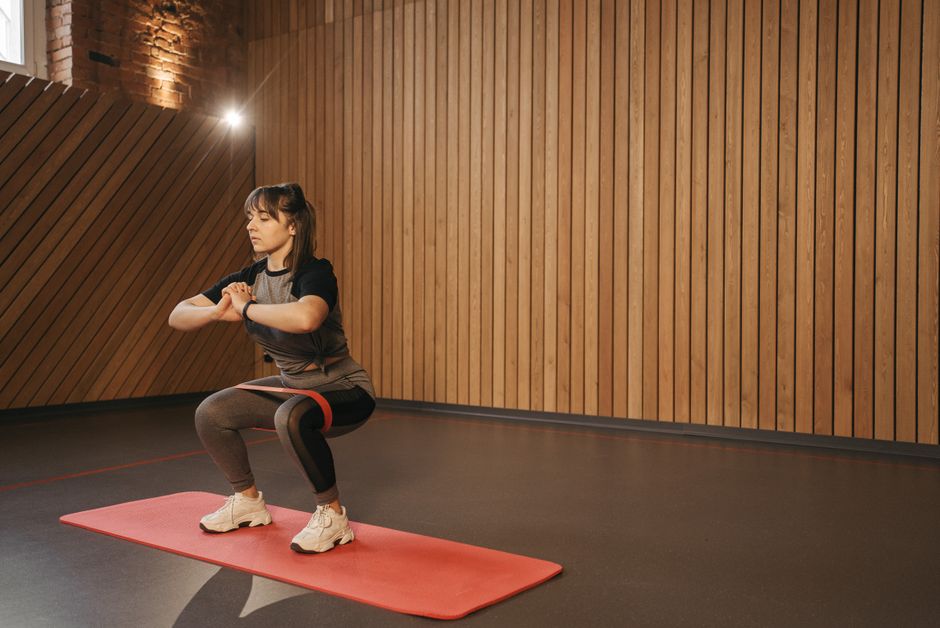
| Bodyweight Squats | Legs, Glutes | 3 | 10-15 | Beginner | Keep knees behind toes. |
| Push-ups (Knees or Full) | Chest, Arms | 3 | 5-10 | Beginner | Maintain a straight line from head to heels. |
| Plank | Core | 3 | 20-30 seconds | Beginner | Avoid sagging hips. |
| Lunges | Legs, Glutes | 3 | 8-12 (each leg) | Beginner | Keep front knee aligned with ankle. |
| Glute Bridges | Glutes, Lower Back | 3 | 10-15 | Beginner | Engage glutes at the top. |
To maximize the effectiveness of your workout, start each session with a 5-10 minute warm-up, such as brisk walking or gentle stretching to increase your heart rate and prepare your muscles for the work ahead. After completing the exercises, cool down with light stretching to improve flexibility and aid recovery. Stretching post-workout helps to reduce muscle soreness and increases the range of motion, which is crucial for overall mobility.
Beginner Tips
- Focus on form over quantity. It’s better to do fewer reps correctly than to rush through them. Proper form not only enhances the effectiveness of the exercise but also reduces the risk of injury.
- Stay hydrated. Drink water before, during, and after your workout. Hydration is essential for optimal performance and recovery, so be mindful of your fluid intake.
- Listen to your body. If something feels wrong, stop and reassess. It’s important to differentiate between discomfort and pain, and to seek professional guidance if you’re unsure.
Advanced Tips
Once you feel comfortable with the routine, consider the following to increase intensity:
- Add weights to your squats and lunges to build strength. This can be done using dumbbells, resistance bands, or even household items like water bottles.
- Increase the duration of your plank or try side planks for variety. Side planks effectively target the obliques, providing a more comprehensive core workout.
- Incorporate interval training by alternating between high and low-intensity movements. For example, you can perform a set of squats at a high intensity followed by a slower-paced activity like walking or resting. This method can enhance cardiovascular fitness and promote fat loss.
Frequently Asked Questions
1. How long will it take to see results from this routine?
Results vary based on individual commitment and consistency, but many people begin to notice improvements in strength and endurance within 4-6 weeks. It’s important to keep in mind that results may not always be visible; sometimes, the benefits are felt in how you feel and function day-to-day.
2. Can I do this routine if I have previous injuries?
It’s vital to consult a healthcare professional before starting any new exercise program, especially if you have a history of injuries. They can provide personalized guidance and modifications to ensure your safety while exercising.
3. How do I stay motivated to stick to my fitness routine?
Set achievable goals, track your progress, and consider working out with a friend for accountability and encouragement. Joining a community or class can also provide support and motivation as you embark on your fitness journey.
4. Is it necessary to follow a specific diet while starting a fitness routine?
While not mandatory, a balanced diet can enhance your results and provide the energy needed for workouts. Visit our nutrition section for healthy eating tips. A well-rounded diet rich in whole foods can support your training and recovery, making it easier to achieve your fitness goals.
5. What should I do if I miss a workout?
Don’t be too hard on yourself. Simply get back to your routine as soon as possible and continue moving forward. Consistency is key, and one missed workout won’t derail your progress if you maintain a positive mindset and commitment to your goals.
References
- American College of Sports Medicine
- National Institutes of Health
- Centers for Disease Control and Prevention
- World Health Organization
- Medicine & Science in Sports & Exercise
By starting with a simple beginner fitness routine, you are setting a strong foundation for lifelong health and wellness. Remember, consistency is key. As you become more comfortable, you can gradually increase the intensity and complexity of your workouts. Stay focused, stay motivated, and most importantly, enjoy the journey!
Eat daily, sleep daily, exercise daily.
These are for informational purposes only. Consult your doctor and do your own research before use.