
Water Bottle Cleaning Brush Long Handle | Exercise Daily
Many people believe that rinsing out a water bottle is sufficient for keeping it clean, but that couldn’t be further from the truth. A long-handled water bottle brush can help reach surfaces that are difficult to clean by hand. Residue from drinks can build up over time, leading to unpleasant odors and bacteria growth that rinsing alone won’t eliminate.
Who This Is For
- Busy adults who frequently use water bottles.
- Parents looking to maintain clean hydration options for their children.
- Athletes who want to ensure their gear is hygienic.
- Health-conscious individuals who prioritize cleanliness in their hydration practices.
- Anyone who regularly uses reusable bottles and wants to avoid unpleasant tastes.
What Most People Get Wrong
One common mistake is assuming that soap and water alone will clean a water bottle thoroughly. While washing with soap is a good start, many miss the hard-to-reach areas, especially at the bottom and around the neck of the bottle. A long-handled cleaning brush is specifically designed to navigate these tricky spots, helping remove residue from accessible surfaces. For more help, see our nutrition and recovery advice.

Why This Actually Works
The long handle of the cleaning brush allows for greater reach and leverage, making it easier to scrub the interior surfaces of bottles that can be deep or narrow. Brushing with soap and water can help remove residue, but it does not guarantee sanitization or removal of all microorganisms. Choose a non-abrasive brush compatible with the bottle material and follow the bottle manufacturer’s cleaning instructions.
Mistakes to Avoid
- Not cleaning regularly: Many users forget to clean their bottles after every use, allowing bacteria to multiply.
- Using abrasive materials: Avoid brushes or scrubbers that can scratch the interior of your bottle.
- Ignoring the cap: The cap is often overlooked but can harbor bacteria just like the bottle itself.
Practical Cleaning Steps
Follow your bottle manufacturer’s directions first. For a bottle suitable for hand washing, these general steps may help:
- Fill the bottle with warm water and a few drops of dish soap.
- Insert the long-handled cleaning brush and scrub the interior surfaces thoroughly.
- Pay special attention to the bottom and neck of the bottle.
- Rinse the bottle with clean water until all soap is removed.
- Clean the cap, removable seals and straws as directed, using a suitably sized brush where appropriate.
- Rinse all cleaned parts and allow them to dry completely before reassembling or storing the bottle.

Optional Equipment
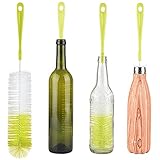
- Water Bottle Cleaning Brush: Look for brushes with long handles and soft bristles to avoid scratching your bottles.
These options include bottle-body brushes; some sets also contain smaller straw or lid brushes. Compare the usable reach and brush-head width with your bottle’s depth and opening, and check material compatibility. A listed overall length does not guarantee that a brush fits your bottle. These are catalog options, not hands-on test results.


As an Amazon Associate, Exercise Daily earns from qualifying purchases. This post may contain affiliate links. Last updated: November 6, 2026 2:39 pm
Frequently Asked Questions
Q: How often should I clean my water bottle?
A: Ideally, you should clean your water bottle after every use, especially if you’ve consumed anything other than water.
Q: Can I use a regular sponge to clean my water bottle?
A: While a sponge can work, it may not reach all areas effectively. A long-handled brush is recommended for a thorough clean.
Q: Is it safe to put my water bottle in the dishwasher?
A: Check the manufacturer’s instructions. Many bottles are dishwasher safe, but some may require hand washing to maintain their integrity.
Q: What should I do if my bottle smells bad?
A: Follow the manufacturer’s instructions for persistent odors or visible mold. Do not assume deodorizing also sanitizes the bottle; inspect removable parts and replace damaged components as directed.
Q: Are there any specific cleaning solutions I should avoid?
A: Use only cleaning or sanitizing methods approved for your bottle and its components. CDC guidance for water-storage containers distinguishes washing from sanitizing and includes diluted bleach for suitable containers; that is not a blanket recommendation for every reusable bottle. Follow the product directions for dilution, contact time and rinsing. Never mix cleaning chemicals.
Conclusion
Using a water bottle cleaning brush long handle is an effective way to maintain the cleanliness of your hydration gear. By incorporating regular cleaning into your routine, you can enjoy safer, fresher water every day. Make it a habit to keep your bottle clean, and you’ll appreciate the difference in taste and hygiene. Remember, a clean water bottle is a happy water bottle! For more help, see our exercise training guides.
Eat daily, sleep daily, exercise daily. For more help, see our wellness and recovery habits.
These are for informational purposes only. Consult your doctor and do your own research before use.