How To Set Up A Jump Rope Practice Space At Home | Exercise Daily

Setting up a jump rope practice space at home is not just about having a rope; it’s about creating an environment that encourages consistent practice and improvement. Many believe they need a large space to effectively jump rope, but that’s simply not true. With the right setup, you can turn even a small corner of your home into an effective practice area. This guide will help you maximize your jump rope practice space at home.
Who This Is For
- Beginners looking to learn the basics of jump rope.
- Busy adults seeking an efficient workout option.
- Parents who want to incorporate fitness into their daily routine.
- Athletes aiming to enhance their agility and coordination.
- Anyone interested in a fun and effective cardio workout.
What Most People Get Wrong
One of the biggest misconceptions about jump rope practice is that you need a lot of space and special flooring. In reality, you can practice effectively in just a few square feet, as long as you have a flat surface and enough ceiling height. Many also underestimate the importance of warm-up and cooldown routines, which are crucial for injury prevention and performance improvement. For more help, see our exercise training guides.
Why This Actually Works
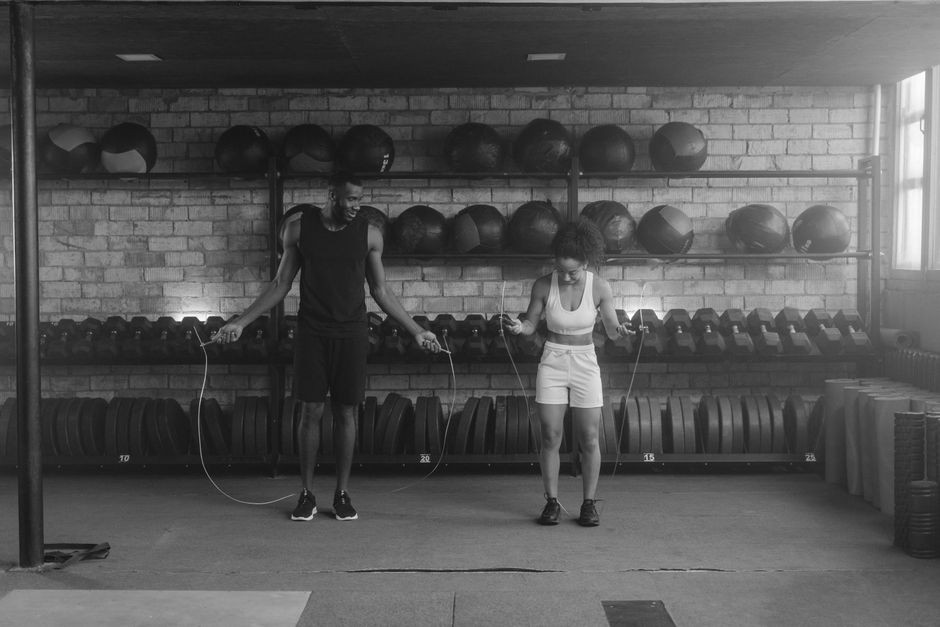
Jump rope workouts are highly effective because they combine cardiovascular training with coordination and agility drills. By setting up a dedicated space, you create a consistent environment that encourages regular practice. This leads to improved skills over time, as you can focus on technique, rhythm, and endurance without distractions.
Mistakes to Avoid
- Ignoring Space Requirements: Ensure you have enough space above and around you. A minimum ceiling height of 8 feet is ideal to avoid hitting your head.
- Choosing the Wrong Surface: Avoid practicing on uneven or hard surfaces like concrete, which can increase the risk of injury. Opt for a mat or carpeted area.
- Neglecting Warm-Ups: Always warm up before jumping to prepare your muscles and joints. Stretch your calves, hamstrings, and shoulders.
- Skipping Cooldowns: Cooling down helps prevent stiffness and aids recovery. A few minutes of light stretching post-practice can make a difference.
Setting Up Your Space
Follow these steps to create an ideal jump rope practice space at home: For more help, see our fitness performance tips.
- Choose the Right Location: Find a quiet area free from distractions. Ideally, this should be in a room with ample ceiling height.
- Clear the Area: Remove any furniture or obstacles that could interfere with your jumping. Ensure the floor is clean and safe.
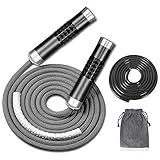
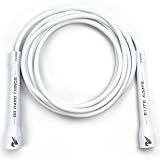
- Invest in a Good Jump Rope: Select a rope that suits your height and skill level. Adjustable ropes are great for beginners.
- Consider Flooring: Use a jump mat or a carpeted area to reduce impact on your joints. If you have access to a gym mat, that’s even better.
- Set Up a Mirror: If possible, position a mirror in front of your practice area. This helps you check your form and improve your technique.
Optional Equipment
- Jump Rope: Look for a rope that is adjustable and comfortable in your hands. Lightweight materials are often easier to handle.
- Jump Mat: A mat can absorb shock and provide traction. Choose a non-slip option that’s easy to clean.
- Timer/Stopwatch: A timer can help you track your intervals and keep your workouts structured.


As an Amazon Associate, Exercise Daily earns from qualifying purchases. This post may contain affiliate links. Last updated: October 31, 2026 9:00 am
Sample Jump Rope Routine
| Exercise | Target Muscle | Sets | Reps | Difficulty | Safety Cue |
|---|---|---|---|---|---|
| Basic Jump | Calves, Shoulders | 3 | 30 seconds | Beginner | Keep your elbows close to your sides. |
| Alternate Foot Step Jump | Legs, Core | 3 | 30 seconds | Intermediate | Land softly to reduce impact. |
| Crossover Jump | Arms, Core | 3 | 15 reps | Advanced | Focus on timing and coordination. |
Frequently Asked Questions
1. How much space do I need to jump rope? Ideally, you should have at least 10 feet of length and height to ensure safe jumping.
2. Can I jump rope on carpet? Yes, jumping on carpet can be suitable, but ensure it’s a sturdy surface to prevent slipping.
3. What type of jump rope is best for beginners? A lightweight, adjustable jump rope is generally the best choice for beginners.
4. How often should I practice? Aim for at least 3-4 times a week to build your skills and endurance.
5. What are the benefits of jumping rope? Jumping rope improves cardiovascular health, coordination, and agility, making it a versatile workout.
Setting up a jump rope practice space at home can significantly enhance your training routine. With the right environment, you can make consistent progress and enjoy your workouts. Remember to prioritize safety and proper technique as you jump your way to fitness!
Eat daily, sleep daily, exercise daily. For more help, see our wellness and recovery habits.
These are for informational purposes only. Consult your doctor and do your own research before use.