Kettlebell Storage Rack | Exercise Daily
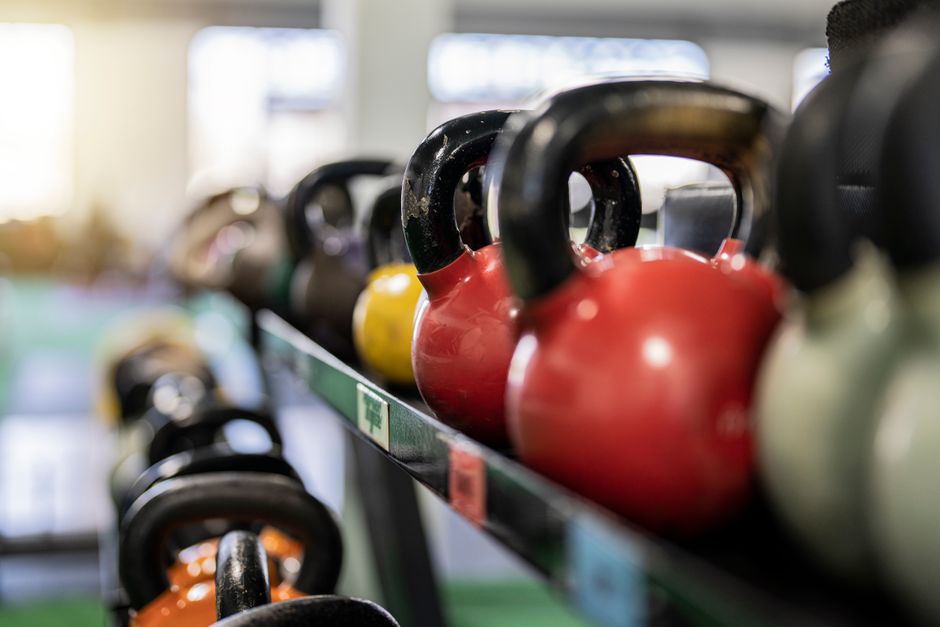
A kettlebell storage rack is not just a luxury; it’s a necessity for anyone serious about fitness. Many believe that simply tossing kettlebells into a corner suffices, but this misconception can lead to safety hazards, equipment damage, and a cluttered workout space. Properly storing your kettlebells not only prolongs their life but also enhances your workout environment, making it more efficient and inviting. In this article, we will explore the importance of a kettlebell storage rack and how it can transform your fitness routine. For more help, see our exercise training guides.
Who This Is For
- Beginners looking to establish a safe and organized workout space.
- Experienced athletes aiming to optimize their home gym setup.
- Busy adults who need a quick and efficient way to access their equipment.
- Parents wanting to keep their children’s play area safe and clutter-free.
- Gym-goers who want to maintain a professional and welcoming environment.
What Most People Get Wrong
One of the most common mistakes people make is underestimating the importance of a designated storage solution for kettlebells. Many assume that any old shelf or corner will do, but this can lead to several issues: For more help, see our exercise training guides.
- Safety Hazards: Kettlebells can easily roll or fall, posing a risk of injury. An unsecured kettlebell can become a tripping hazard, especially in a busy workout space.
- Equipment Damage: Without proper storage, kettlebells can become scratched or dented, which affects their performance. Damage can lead to uneven weight distribution, making certain exercises less effective or even unsafe.
- Cluttered Space: A disorganized area can lead to frustration and discouragement during workouts. When you can’t find the right weight, it can disrupt your flow and demotivate you from completing your session.
By neglecting these aspects, individuals may find their workout motivation dwindling, which ultimately hampers progress towards fitness goals. A well-organized space can significantly enhance focus and efficiency during workouts. For more help, see our exercise training guides.
Why This Actually Works
A kettlebell storage rack serves multiple essential functions:
- Organization: Keeps your workout area tidy, allowing you to focus on your training rather than searching for equipment. An organized space can lead to better workout performance and a more enjoyable experience.
- Safety: Reduces the risk of accidents by providing a stable and secure place for kettlebells. This is particularly important in homes with children or pets, where safety is a top priority.
- Durability: Prolongs the life of your kettlebells by preventing unnecessary wear and tear. Proper storage minimizes exposure to elements that can cause rust or degradation over time.
- Accessibility: Makes it easier to grab the weights you need quickly, saving time in your workout. This efficiency can lead to longer, more productive workout sessions.
When your equipment is organized and easily accessible, you’re more likely to stick to your fitness routine, which is a crucial factor in achieving long-term success. The psychological benefits of a clean, organized space can also boost your motivation to work out regularly.
Mistakes to Avoid


As an Amazon Associate, Exercise Daily earns from qualifying purchases. This post may contain affiliate links. Last updated: November 9, 2026 5:39 am
When selecting or using a kettlebell storage rack, keep these common pitfalls in mind:
- Choosing the Wrong Size: Ensure the rack can accommodate all sizes of kettlebells you own or plan to purchase. A rack that is too small may become overcrowded, while one that is too large may take up unnecessary space.
- Ignoring Weight Capacity: Verify that the rack can support the total weight of your kettlebells without bending or breaking. It’s crucial to check the manufacturer’s specifications to avoid potential accidents.
- Neglecting Stability: A rack that wobbles can be dangerous and counterproductive. Stability is imperative, especially when you are retrieving or returning kettlebells; a sturdy rack enhances safety.
It’s essential to assess your needs and choose a rack that addresses these concerns effectively. Consider your workout habits, the space you have available, and how your needs may evolve as you progress in your fitness journey.
Practical Tips for Kettlebell Storage Racks
Here are some beginner and advanced tips for utilizing a kettlebell storage rack effectively:
Beginner Tips
- Start with a small rack that can hold a few kettlebells, then expand as your collection grows. This approach allows you to manage your budget while ensuring you have what you need for your workout.
- Position the rack in a dedicated workout area to maintain organization. Ensure it’s within easy reach of your workout space to streamline your routine.
- Label weights if you have multiple kettlebells to make choosing the right one easier. This can save time and prevent interruptions during your workout.
Advanced Tips
- Consider a tiered rack for easy access to different weights without bending down. This design not only saves time but also reduces strain on your back.
- Utilize a rack with additional hooks or storage for bands and accessories. This multi-functionality can help you maximize the use of your workout space.
- Regularly assess your storage needs and upgrade your rack as necessary. As your strength increases and your collection of kettlebells grows, you may need a more robust solution.
Choosing the Right Kettlebell Storage Rack
When selecting a kettlebell storage rack, consider the following factors:
- Material: Look for sturdy materials like steel or high-grade plastic that can withstand the weight of your kettlebells. Steel is generally preferred for its durability, especially for heavier weights.
- Design: Choose a design that fits your space and aesthetic preferences. A visually appealing rack can enhance the overall look of your workout area.
- Weight Capacity: Ensure the rack can handle the total weight of your kettlebells. Always check the specifications and opt for a rack that exceeds your total weight to ensure safety.
- Size: Make sure the rack fits in your designated workout area without being obtrusive. A compact design can be beneficial for smaller spaces while still providing ample storage.
There is no universal weight capacity for compact, tiered or wall-mounted kettlebell racks. Check the exact model’s manufacturer-rated total capacity, any per-shelf limit, kettlebell size compatibility, and installation requirements before loading it. Do not infer a safe load from the rack’s style, size or material.
Frequently Asked Questions
Q1: How many kettlebells should I store on a rack?
A: The number of kettlebells depends on your workout needs. A good starting point is to have a range of weights, typically 3-5 kettlebells. This variety allows for progression in your training.
Q2: Can I use a regular shelf for kettlebells?
A: While a shelf may work, it’s not ideal. A dedicated kettlebell storage rack is designed for safety and accessibility. Regular shelves may not provide the stability or weight capacity required.
Q3: What is the best material for a kettlebell storage rack?
A: Steel is often the best choice due to its strength and durability, but high-grade plastic can also be effective for lighter weights. Consider your specific needs and the weights you will be using.
Q4: How do I maintain my kettlebell storage rack?
A: Regularly check for loose screws or damage, and clean the rack to prevent rust or corrosion. Maintaining your rack ensures longevity and safety in your workout space.
Q5: Are there kettlebell storage racks that also store other equipment?
A: Yes, many racks come with additional hooks or shelves to store bands, mats, or other accessories. This versatility can help keep your workout area organized and efficient.
Conclusion
A kettlebell storage rack is not just a functional piece of equipment; it’s a crucial investment in your fitness journey. By ensuring your kettlebells are stored safely and accessibly, you create an inviting workout space that encourages consistency and progress. Remember, the right storage solution can make a significant difference in your overall training experience. Choose wisely, and lift efficiently.
Eat daily, sleep daily, exercise daily.
- References
- PubMed
- NIH – Kettlebell Training
- American College of Sports Medicine
- Centers for Disease Control and Prevention
- American Council on Exercise
These are for informational purposes only. Consult your doctor and do your own research before use.