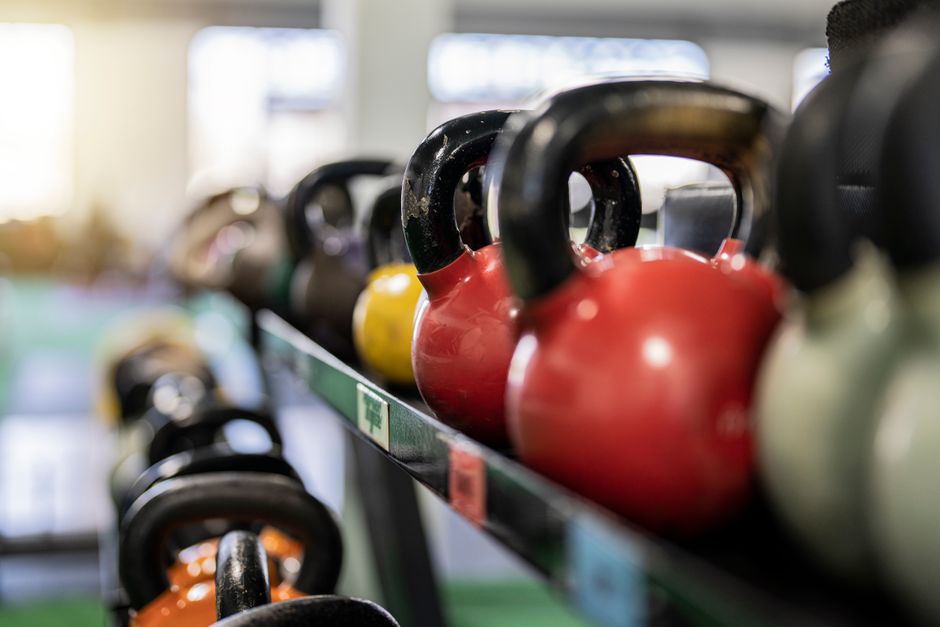
Foam Roller Storage Rack | Exercise Daily
A foam roller storage rack is not just a luxury; it’s a necessity for maintaining a clutter-free workout space and maximizing the benefits of your foam rolling routine. Many people believe that foam rollers can just be tossed into a corner or a closet after use, but this can lead to wear and tear, making them less effective over time. A dedicated storage solution not only preserves the integrity of your equipment but also encourages consistent use, which is essential for muscle recovery and flexibility. By having a dedicated space for your foam rollers, you can streamline your post-workout routine, ensuring that your recovery tools are always on hand and ready for use. For more help, see our exercise training guides.
Who This Is For
- Beginners looking to incorporate foam rolling into their routine, helping them understand the importance of recovery.
- Athletes needing quick access to recovery tools after workouts, facilitating a smoother transition from exercise to recovery.
- Busy adults wanting an organized and efficient workout space, reducing time spent searching for equipment.
- Parents managing space for kids’ sports equipment, enabling a multi-functional area that accommodates various activities.
- Recovering users who require regular access to foam rollers for rehabilitation, supporting their journey back to full mobility.
What Most People Get Wrong
One common misconception is that any storage solution is suitable for foam rollers. Many individuals underestimate the importance of proper storage, which can lead to damaged rollers and reduced effectiveness. Foam rollers should be stored in a way that prevents deformation and keeps them clean. Additionally, people often overlook the benefits of having a dedicated rack, which can also serve as a visual reminder to use the foam roller regularly. Without appropriate storage, foam rollers can accumulate dust and grime, which may not only affect their appearance but also their hygiene and performance. It is essential to recognize that a well-maintained foam roller can make a significant difference in the quality of your recovery sessions. For more help, see our exercise training guides.
Why This Actually Works
Using a foam roller storage rack enhances your workout environment by keeping your rollers organized and easily accessible. This organization not only helps to maintain the physical condition of the rollers but also encourages consistent use. Foam rolling has been shown to improve muscle recovery, reduce soreness, and enhance flexibility (Schroeder & Best, 2015). By having a designated space for your foam rollers, you are more likely to integrate them into your routine consistently, reaping the full benefits of this recovery tool. Moreover, an organized space can lead to a more focused mindset during workouts, as the clutter is minimized and the tools you need are readily available. The act of storing your roller appropriately can also serve as a mental cue, reinforcing the importance of recovery in your fitness journey. For more help, see our exercise training guides.
Mistakes to Avoid


As an Amazon Associate, Exercise Daily earns from qualifying purchases. This post may contain affiliate links. Last updated: November 9, 2026 6:11 am
When setting up your foam roller storage, it’s crucial to avoid these common pitfalls:
- Ignoring Size Compatibility: Ensure the storage rack can accommodate various foam roller sizes. Some users have rollers of different lengths and diameters, and a one-size-fits-all approach can lead to inefficiencies.
- Overcrowding: Avoid cramming too many rollers into one space. This can cause them to become misshapen and can also make it difficult to access the roller you need when you need it.
- Neglecting Cleaning: Dust and dirt can accumulate on foam rollers. Ensure your storage solution allows for easy cleaning access, and establish a routine for cleaning your rollers after use to maintain their condition.
- Choosing the Wrong Material: Select a storage rack made of durable materials that can withstand the weight of the foam rollers. A poorly constructed rack can lead to accidents and damage to your equipment.
Practical Examples of Foam Roller Storage Racks
There are various types of foam roller storage racks available, each catering to different needs and spaces. Here are some practical examples:
| Type of Rack | Use Case | Benefits | Caution | Best For |
|---|---|---|---|---|
| Wall-Mounted Rack | Space-saving solution for small areas | Free up floor space; visually appealing; keeps rollers off the ground | Ensure proper installation to avoid damage; may require tools | Athletes and fitness enthusiasts who want a streamlined space |
| Freestanding Rack | Easy access for multiple users | Portable and versatile; can hold various sizes; allows for flexibility in placement | May take up more floor space, which could be a concern in smaller gyms | Gyms and multi-user households where multiple people use foam rollers |
| Rolling Cart | Mobility for easy transport | Convenient for group classes or therapy sessions; can move with you as you work | May require frequent organization to prevent clutter | Trainers and physical therapists who need to transport equipment |
Beginner Tips for Foam Roller Use and Storage
For those new to foam rolling, here are some beginner-friendly tips:
- Start with a softer foam roller to get accustomed to the pressure. This will help you gradually build tolerance and avoid discomfort.
- Incorporate foam rolling into your warm-up or cool-down routine to maximize its benefits. This can enhance your overall workout effectiveness.
- Store your roller in a place where you can see it to remind yourself to use it. Visibility can encourage daily use and integrate it into your routine.
- Keep a small towel nearby to wipe off any sweat or dirt after using the roller. This helps maintain hygiene and keeps your storage area clean.
Advanced Tips for Foam Rolling and Maintenance
For more experienced users, consider these advanced techniques:
- Experiment with different foam roller densities to target specific muscle groups effectively. Understanding how various densities affect your muscles can enhance your recovery.
- Incorporate dynamic stretches while foam rolling to enhance flexibility. This combination can lead to improved mobility and performance.
- Regularly inspect your foam roller for signs of wear and replace it if necessary. A damaged roller can be less effective and may even cause injury.
- Organize your storage rack by muscle group or frequency of use for easy access. This can save time and streamline your recovery routine.
Frequently Asked Questions
1. How often should I use a foam roller?
It’s generally recommended to use a foam roller 2-3 times a week, but you can increase frequency based on your activity level and muscle soreness. Listening to your body is key; if you feel tightness or discomfort, consider rolling more often.
2. Can I store my foam roller outside?
Storing foam rollers outside is not advisable as exposure to elements can degrade the material and affect performance. UV rays, moisture, and temperature fluctuations can all negatively impact the integrity of the foam.
3. What is the best material for a foam roller storage rack?
Wood or metal racks are typically durable and can support the weight of foam rollers while withstanding regular use. Consider the aesthetic of your space as well; a well-designed rack can complement your decor.
4. How do I clean my foam roller?
Use a mild soap and water solution to clean the surface of your foam roller, and let it air dry completely before storage. Avoid using harsh chemicals that could damage the foam.
5. Can I use a foam roller if I have an injury?
It’s best to consult with a healthcare professional before using a foam roller if you have an injury, as it may exacerbate certain conditions. They can provide guidance on safe practices or alternative recovery methods.
Extra Value: Foam Rolling Routine Checklist
Here’s a simple checklist to incorporate foam rolling into your routine:
- Choose the right foam roller density for your needs, as this can significantly affect your experience.
- Identify tight areas in your body before starting, ensuring you focus on the most problematic spots.
- Spend 1-2 minutes on each muscle group to allow adequate time for release and recovery.
- Use slow movements to allow the roller to penetrate the muscle, which can enhance the effectiveness of the session.
- Follow up with stretching for enhanced flexibility, as this can improve your mobility and overall performance.
Conclusion
Investing in a foam roller storage rack is a smart move for anyone serious about their fitness and recovery routines. By keeping your foam rollers organized and accessible, you can ensure consistent use, leading to better muscle recovery and flexibility. Remember, the right storage solution can significantly enhance your workout space and mindset. A clutter-free environment fosters a more focused approach to your fitness journey. For those wanting to learn more about effective exercise routines, check out our exercise category for additional tips and resources. The integration of foam rolling into your regular routine, supported by proper storage, can truly elevate your overall wellness.
- References
Eat daily, sleep daily, exercise daily.
These are for informational purposes only. Consult your doctor and do your own research before use.