
Jump Rope Mat For Concrete | Exercise Daily
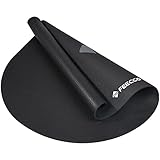
Many people believe that any surface is suitable for jump rope workouts, but this couldn’t be further from the truth. Exercising on concrete without the right protective gear can lead to sore joints and injuries. A jump rope mat for concrete is essential for anyone serious about their jump rope training, as it provides necessary cushioning and traction. In this article, we’ll explore why investing in a jump rope mat is crucial for your workout routine, especially if you’re training on hard surfaces like concrete. For more help, see our exercise training guides.
Who This Is For
- Beginners looking to start a jump rope routine safely.
- Athletes wanting to improve their agility and coordination.
- Busy adults who need an efficient way to fit cardio into their day.
- Parents who want to incorporate fun and fitness into their family activities.
- Recovering users looking for a low-impact exercise option.
What Most People Get Wrong
One of the biggest misconceptions about jump rope workouts is that any flat surface will suffice. While you might think jumping on concrete is fine, this hard surface can lead to excessive strain on your joints, particularly your knees and ankles. Many beginners underestimate the impact of a hard surface and may not realize that without proper cushioning, they are setting themselves up for discomfort and potential injury. For more help, see our exercise training guides.
Another common mistake is ignoring the importance of grip. A slippery surface can lead to falls and accidents, especially when performing more complex jump rope techniques. A dedicated jump rope mat not only provides cushioning but also ensures you have the right grip to maintain control during your workout. The right mat can make a significant difference, especially when performing high-intensity routines or intricate footwork patterns. For more help, see our exercise training guides.
Why This Actually Works
A jump rope mat for concrete offers several benefits that enhance your training experience:
- Cushioning: The mat absorbs impact, reducing stress on your joints and helping to prevent injuries. This is particularly important when you consider the repetitive nature of jumping rope, where each jump can send vibrations through your body.
- Traction: A good mat provides traction, which helps prevent slipping and enhances stability during jumps. This is crucial for maintaining proper form and preventing falls, especially when you are trying to increase your speed or incorporate tricks into your routine.
- Durability: Quality mats are designed to withstand wear and tear, making them a long-lasting investment. A well-constructed mat can endure the rigors of daily use without losing its integrity or performance.
- Portability: Many mats are lightweight and easy to roll up, allowing you to take your workout anywhere. Whether you prefer to jump rope indoors or outdoors, a portable mat can help you create a safe exercise environment wherever you go.
Research supports the importance of proper exercise surfaces. According to a study published in the Journal of Sports Sciences, training on softer surfaces can reduce the risk of overuse injuries compared to harder surfaces like concrete (Häkkinen et al., 2018). This study highlights the significance of cushioning in workouts, particularly for high-impact activities like jump roping. Additionally, mats can help create a designated workout space, mentally preparing you for exercise. Having a specific area for your workouts can enhance focus and motivation.
Mistakes to Avoid



As an Amazon Associate, Exercise Daily earns from qualifying purchases. This post may contain affiliate links. Last updated: November 11, 2026 8:01 am
When selecting a jump rope mat, avoid the following pitfalls:
- Choosing the Wrong Material: Some mats may be too thin or made from materials that do not provide adequate cushioning. Look for mats specifically designed for high-impact activities. Materials like rubber or EVA foam are often recommended for their shock-absorbing properties.
- Neglecting Size: Ensure the mat is large enough to accommodate your full range of motion. A mat that is too small may restrict your movements and lead to unintended slips or falls.
- Ignoring Maintenance: Regularly clean and inspect your mat for signs of wear. A damaged mat can compromise safety. Cleaning your mat not only extends its life but also ensures a hygienic workout surface.
Beginner Tips
If you’re new to jump roping, here are some tips to help you get started safely:
- Start with basic jumps to build your rhythm and confidence. Focus on your landing technique to ensure you’re absorbing impact properly.
- Use a mirror or video yourself to check your form. This can help you identify areas for improvement and ensure you maintain proper posture.
- Warm up before jumping to prepare your muscles and joints. Incorporate dynamic stretches and mobility exercises to enhance your flexibility and reduce injury risk.
Advanced Tips
For those who are more experienced, consider these advanced techniques:
- Incorporate tricks like double unders or crisscrosses to challenge yourself. These variations not only enhance your skills but also increase the intensity of your workout.
- Use interval training to increase intensity and improve endurance. Alternating between high-intensity bursts and recovery periods can maximize your cardiovascular benefits.
- Experiment with different jump rope styles, such as speed ropes or weighted ropes, to vary your workouts. Each style offers unique benefits and can target different muscle groups.
| Exercise | Target Muscle | Sets | Reps | Difficulty | Safety Cue |
|---|---|---|---|---|---|
| Basic Jump | Calves, Quads | 3 | 30 seconds | Beginner | Land softly on your toes. |
| High Knees | Hip Flexors, Abs | 4 | 20 seconds | Intermediate | Keep your back straight. |
| Double Unders | Calves, Shoulders | 5 | 10 reps | Advanced | Jump higher than normal. |
Practical Examples
Consider using your jump rope mat in different settings. For example, if you are a busy adult, you might lay your mat down in the living room during your kids’ playtime, allowing you to get in a quick workout without needing to go to the gym. This flexibility can help you stay consistent with your fitness routine, even when life gets hectic.
Alternatively, athletes can use the mat outdoors for training, ensuring that they can practice their skills on a surface that minimizes injury risk. Whether you’re in a park, on a track, or in your backyard, having a dedicated mat can provide the stability and support needed for effective training.
Moreover, consider incorporating your jump rope mat into family workouts. You can create fun challenges or games that involve jumping rope, fostering a sense of camaraderie and encouraging a healthy lifestyle among family members. This way, your mat becomes a tool not just for individual fitness, but also for family bonding and collective well-being.
Frequently Asked Questions
1. Can I use any mat for jump roping?
Not all mats provide the necessary cushioning and grip. It’s best to choose a mat specifically designed for high-impact workouts. Look for mats marketed for fitness, gymnastics, or similar activities.
2. How thick should a jump rope mat be?
While thickness can vary, a good mat typically ranges from 1/4 inch to 1/2 inch, providing enough cushioning without being too soft. However, it is essential to choose a mat that feels comfortable and supportive to you personally.
3. How do I clean my jump rope mat?
Most mats can be wiped down with a damp cloth and mild detergent. Always check the manufacturer’s instructions for specific care guidelines. Regular cleaning helps maintain hygiene and prolongs the life of the mat.
4. Can I jump rope on grass or dirt?
While it’s softer than concrete, jumping on grass or dirt can be uneven, which may increase the risk of twisting an ankle. A mat provides a stable surface regardless of the environment, ensuring a safer workout experience.
5. How do I know if I need a mat?
If you experience discomfort in your knees or ankles after jump roping on hard surfaces, a mat is likely needed for better support. Additionally, if you find yourself slipping during workouts, a mat can enhance stability and safety.
Conclusion
Investing in a jump rope mat for concrete is not just a luxury; it’s a necessity for anyone serious about their fitness journey. By providing the right support and grip, a quality mat allows you to focus on your technique and performance without the distraction of discomfort or potential injuries. Whether you’re a beginner or an advanced jumper, the right mat can enhance your workout experience and help you achieve your fitness goals safely.
- References
- Häkkinen, K., et al. (2018). “Training on Soft Surfaces Reduces Overuse Injuries.” Journal of Sports Sciences.
- American College of Sports Medicine. (2017). “The Importance of Surface in Sports Medicine.”
- World Health Organization. (2020). “Physical Activity Fact Sheet.”
- Centers for Disease Control and Prevention. (2019). “Benefits of Physical Activity.”
Eat daily, sleep daily, exercise daily.
These are for informational purposes only. Consult your doctor and do your own research before use.