
Product: Adjustable Kettlebell or Dumbbell Set
ASIN: B09FYTG37V
Amazon Link: View on Amazon

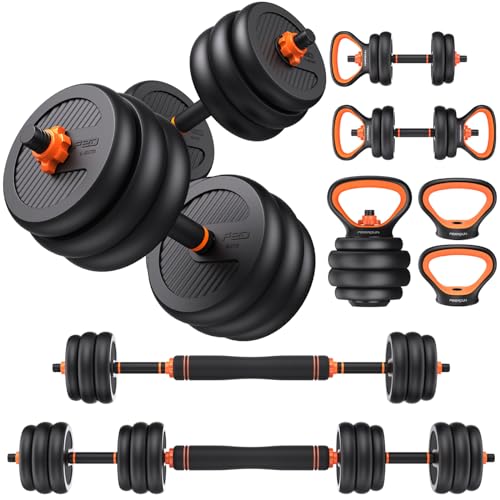
- 【20MM Thickened Foam】The connecting rod is made of a 5mm thick steel tube + 20mm thick high-quality foam. Curved design fits the neck, which is non-slip and sweat-absorbing, soft and breathable, bringing a more comfortable exercise experience to you.
- 【Non-slip Dumbbell Bar】The surface of the dumbbell bar is made of ABS environmentally material and attached to a non-slip texture, which strengthens the friction of the hand and helps you control the dumbbell better during exercise.
- 【Safety Nuts】The sets contain four safety nuts. Nut thread thickening effectively keeps the dumbbell piece solid, to prevent movement shaking. Ensure your safety in use.
- 【More Weight Options】The dumbbell pieces feature a detachable design, and the adjustable weight range for the single dumbbell is 6lbs-22.5lbs, which meets your exercise intensity needs in different stages. Installation is easy.
- 【Brand Support】FEIERDUN always due to providing our customers with the best service. If our product could not meet your expectations, please feel free to contact us, we will respond within 12 hours.

As an Amazon Associate, Exercise Daily earns from qualifying purchases. This post may contain affiliate links. Last updated: March 27, 2026
Adjustable Kettlebell or Dumbbell Set: The Ultimate Controversy for Modern Gym-Goers
For the millennial and Gen Z fitness enthusiasts aged 20 to 34, the quest for the perfect home gym equipment is endless. Particularly, the debate between adjustable kettlebell or dumbbell sets fuels countless discussions within fitness communities. Both offer a compact, versatile solution for strength training, but which should you invest in? Or should you avoid both altogether?
The Great Debate: Adjustable Kettlebells vs Dumbbell Sets
The Case for Adjustable Kettlebells
Adjustable kettlebells offer the fluidity of shifting weights combined with the unique, dynamic training style kettlebells provide. Their design encourages ballistic movements such as swings, snatches, and Turkish get-ups—exercises shown by Journal of Sports Science & Medicine to significantly improve cardiovascular endurance and functional strength (Source: peer-reviewed sports science journal).
The benefits of swings and ballistic movements go beyond traditional strength gains: They promote explosive power and mobility, which typical dumbbells don’t encourage to the same extent.
The Case for Adjustable Dumbbells
On the flip side, adjustable dumbbells are heralded for their straightforward design and versatility in traditional resistance training. They accommodate classic exercises like curls, presses, and rows effortlessly. Research published in the Journal of Strength and Conditioning Research notes that dumbbell exercises lead to balanced muscle activation and can provide superior control and stability compared to kettlebells (Source: academic journal specializing in strength and conditioning).
Adjustable dumbbells come in compact sets replacing multiple fixed-weight dumbbells, saving space—a critical factor for small apartment-dwelling gym-goers.
This Controversy Isn’t Just About Preference: Practical Considerations and Buyer Checklist
Deciding between an adjustable kettlebell or dumbbell set isn’t purely about aesthetics or workout style. Here’s a practical checklist for buyers pondering this investment:
- Space Constraints: Adjustable kettlebells tend to take up less horizontal space but can be slightly bulkier vertically. Dumbbells often come with a sleek stand but may occupy more footprint.
- Weight Range and Increment Options: Look for sets offering fine increments—from as low as 5 pounds to upwards of 40-50 pounds—and the ease of adjusting between weights.
- Durability and Build Quality: Metal construction with solid locking mechanisms is ideal. Plastic components may wear down quickly under high loads.
- Grip and Comfort: Kettlebell handles should permit swings without chafing. Dumbbells need ergonomic grips to prevent hand fatigue during curls or presses.
- Intended Training Regime: If ballistic training and cardio-intensity workouts appeal more, kettlebells shine. For isolated muscle development and controlled movements, dumbbells dominate.
- Price and Warranty: Adjustable sets often cost more upfront but save money long-term by replacing multiple weights. Always check for a warranty to protect your investment.
Common Mistakes to Avoid When Purchasing
- Ignoring Quality for Cost: A cheaper adjustable set might look appealing but can quickly become dangerous if plates loosen or adjusting mechanisms fail.
- Overestimating Needed Weight: Beginner or intermediate users often pick sets with too heavy increments, losing out on gradual progression benefits.
- Neglecting Handle Size and Shape: An ill-fitting grip can cause blisters or injury during reps.
- Choosing Without Space in Mind: Always measure the workout area for the set and its storage stand if included.
- Forgetting Maintenance: Adjustable equipment often requires periodic tightening and cleaning to maintain safety.
Safety Tips for Adjustable Kettlebell and Dumbbell Users
- Always ensure the locking mechanism is secure before starting your workout.
- Start with lower weights to master form, especially with kettlebell swings and ballistic movements.
- Avoid dropping adjustable kettlebells or dumbbells on hard surfaces, as adjustable plates can become loose or damaged.
- Regularly inspect handles and weight plates for cracks or wear.
- Use proper footwear and environment to avoid slips during dynamic exercises.
Who Should NOT Buy or Use Adjustable Kettlebell or Dumbbell Sets?
Despite their convenience, adjustable kettlebell and dumbbell sets aren’t suitable for everyone:
- Absolute Beginners Without Proper Guidance: The variable weight feature can be confusing, leading to improper progression or injury without coaching.
- Individuals With Joint or Wrist Issues: The unique grip and momentum of kettlebells may aggravate joint pain; dumbbells might be safer but still require caution.
- People Needing Precise Weight Standards: For rehabilitation or physical therapy, the slight variability in adjustable sets might be suboptimal.
- Those Preferring Fixed-Weight Stability: Competitive lifters or powerlifters may prefer fixed dumbbells or kettlebells for consistent feel and weight.
- Users Without Safe Workout Space: Improper flooring or cramped quarters increase injury risks during dynamic movements.
The Verdict: What Does the Research Say?
Studies on resistance training equipment selectivity highlight the distinct benefits of both kettlebells and dumbbells. According to research included in the American Council on Exercise (ACE) Pro Fitness Guide, kettlebell training can improve grip strength, core stability, and cardiovascular fitness more efficiently than traditional dumbbells, but only when proper technique is applied.
Meanwhile, the National Strength and Conditioning Association (NSCA) emphasizes dumbbells as superior for hypertrophy and isolated muscle development, key factors in aesthetic-focused routines favored by many young gym-goers.
Given the above, your choice should align with your fitness goals, experience, and space considerations.
Should you opt for the adjustable kettlebell or dumbbell set (ASIN: B09FYTG37V), just ensure it’s suitable for your regimen and living space. Remember, no equipment will substitute for consistent, safe practice and knowledge.
Eat daily, sleep daily, exercise daily.