
Exercise Daily _ Bodyweight Workout For Beginners
In the modern fitness landscape, bodyweight workouts have gained immense popularity, especially among beginners. These workouts offer a convenient and effective way to build strength, improve flexibility, and enhance overall fitness without the need for expensive gym memberships or equipment. However, there remains a contentious debate surrounding their effectiveness and suitability for all individuals. This article will explore the fundamentals of bodyweight workouts for beginners, address common misconceptions, and provide evidence-based insights to help you embark on your fitness journey.
Explore more in our Natural Remedies section.
Explore more in our Wellness section.
Explore more in our Fitness section.
Understanding Bodyweight Workouts
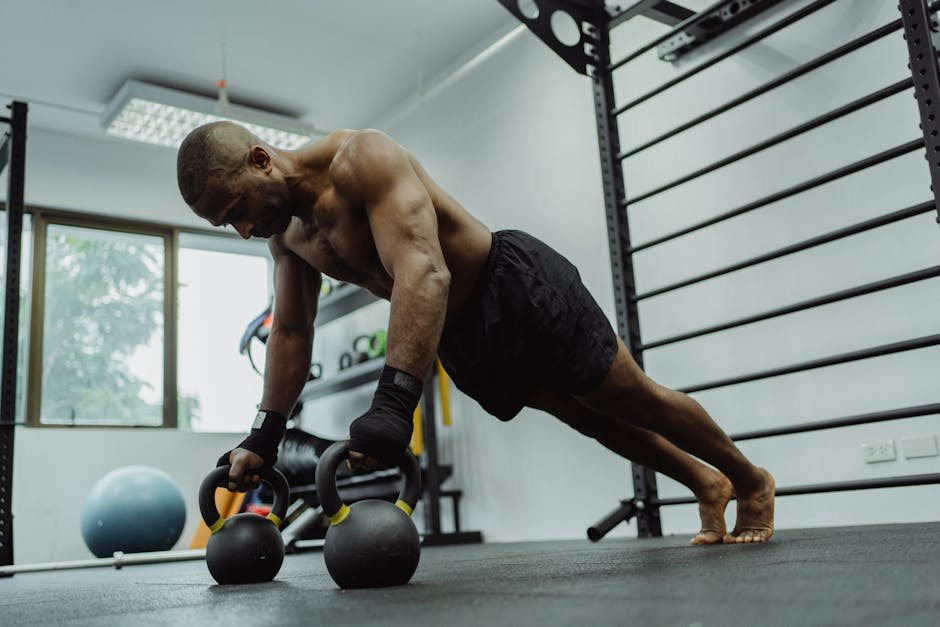
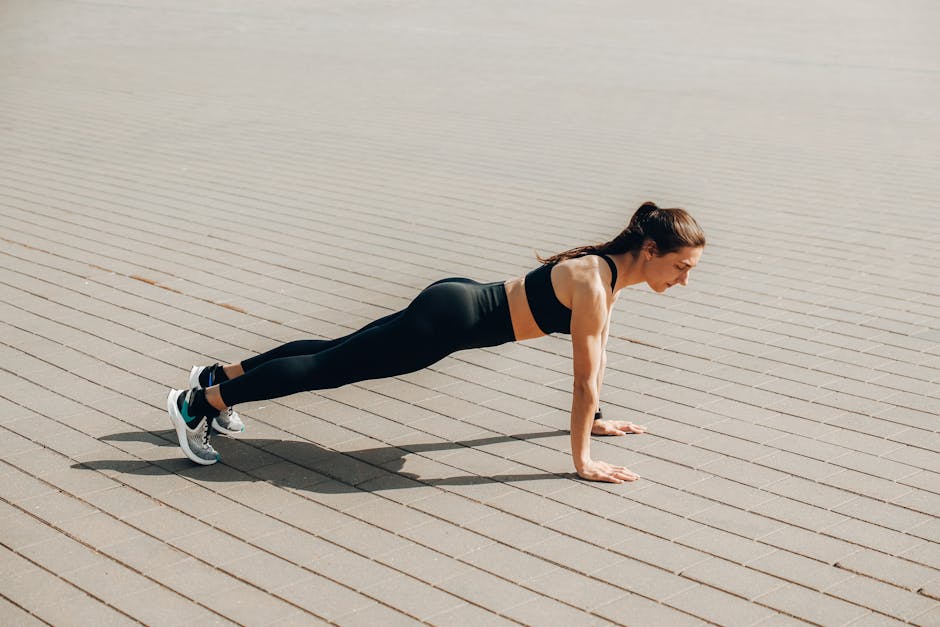
Bodyweight workouts utilize the individual’s weight as resistance, allowing for a diverse range of exercises that can be performed anywhere. They typically include movements such as push-ups, squats, lunges, and planks. These exercises engage multiple muscle groups and promote functional strength, which is essential for daily activities.
Benefits of Bodyweight Workouts
- Accessibility: Bodyweight workouts require no equipment, making them accessible to everyone, regardless of fitness level or financial situation.
- Scalability: These workouts can be easily modified to match an individual’s ability, allowing beginners to progress at their own pace.
- Core Engagement: Many bodyweight exercises inherently engage the core, promoting stability and overall strength.
- Improved Mobility: Incorporating dynamic movements can enhance flexibility and mobility, reducing the risk of injury.
Common Misconceptions
Despite the clear benefits, many beginners harbor misconceptions about bodyweight workouts. One of the most pervasive myths is that they are insufficient for building muscle mass. While it is true that traditional weightlifting can lead to greater hypertrophy, bodyweight exercises can still be effective for strength gains when performed correctly and consistently.
Another common misunderstanding is that bodyweight workouts are only suitable for beginners. In reality, many advanced athletes incorporate bodyweight exercises into their routines for variety and to challenge their strength in new ways. For example, movements like one-arm push-ups or pistol squats require a high level of strength and skill, demonstrating that bodyweight training has a place at all fitness levels.
Getting Started with Bodyweight Workouts




As an Amazon Associate, Exercise Daily earns from qualifying purchases. This post may contain affiliate links. Last updated: March 27, 2026
Starting a bodyweight workout routine may seem daunting, but it can be broken down into manageable steps. Here’s how to begin:
1. Assess Your Fitness Level
Before diving into a workout routine, it’s essential to assess your current fitness level. This assessment can help tailor your exercises to match your capabilities. Consider factors such as:
- Current strength and endurance
- Previous injuries or limitations
- Fitness goals
2. Design Your Workout Plan
A well-structured workout plan is crucial for progress. Here’s a simple template for beginners:
- Warm-up: 5-10 minutes of dynamic stretching (e.g., arm circles, leg swings) to prepare your body.
- Workout: Choose 5-7 exercises, performing 2-3 sets of 8-15 repetitions each. Examples include:
- Push-ups
- Bodyweight squats
- Lunges
- Planks
- Burpees
- Cool down: 5-10 minutes of static stretching to enhance flexibility.
3. Focus on Form
Proper form is vital to prevent injuries and maximize effectiveness. Beginners often rush through exercises, leading to poor technique. Pay attention to:
- Body alignment
- Controlled movements
- Breathing patterns
Addressing Concerns about Bodyweight Workouts
While bodyweight workouts provide numerous benefits, some individuals express concerns about their effectiveness. A study published in the *Journal of Strength and Conditioning Research* highlights that bodyweight training can produce significant strength gains comparable to traditional weight training when performed with adequate intensity and volume (Schoenfeld, B. J., et al. 2016). However, many beginners fail to apply the necessary intensity, leading to a perception of ineffectiveness.
Furthermore, there is a belief that bodyweight exercises do not promote cardiovascular fitness. This is a misconception; high-intensity bodyweight workouts, such as circuit training or HIIT (High-Intensity Interval Training), can elevate heart rates and improve cardiovascular health. Research published by the *American College of Sports Medicine* indicates that HIIT can be more effective than moderate-intensity continuous training for improving cardiovascular fitness (Buchheit, M., & Laursen, P. B., 2013).
Common Mistakes to Avoid
Beginners often make several mistakes when starting bodyweight workouts. Here are some common pitfalls and how to avoid them:
- Skipping Warm-ups: Failing to warm up can lead to injuries. Always include a warm-up in your routine.
- Neglecting Recovery: Recovery is crucial for muscle growth and injury prevention. Allow adequate rest between workouts.
- Inconsistent Workouts: Consistency is key to progress. Aim for at least three sessions per week.
- Ignoring Nutrition: Proper nutrition supports your fitness goals. Incorporate a balanced diet rich in protein, healthy fats, and carbohydrates. For more on nutrition, visit our nutrition section.
Combining Bodyweight Workouts with Other Training Modalities
While bodyweight workouts are effective, many individuals benefit from incorporating other training modalities. For instance, combining bodyweight training with resistance training can enhance muscle hypertrophy and strength. A meta-analysis published in *Sports Medicine* found that combining different forms of exercise leads to improved overall fitness outcomes (Gordon, B. A., et al., 2017).
Additionally, incorporating cardio exercises, such as running or cycling, can enhance cardiovascular fitness and aid in weight management. The World Health Organization recommends a balanced approach to physical activity, including aerobic and muscle-strengthening exercises (WHO, 2020).
Real-Life Success Stories
Numerous individuals have transformed their fitness through bodyweight workouts. For instance, a case study in the *Journal of Sports Science & Medicine* highlighted a 30-year-old male who lost over 30 pounds and improved his strength significantly through a dedicated bodyweight training program (Harrison, C. D., et al., 2019). These success stories illustrate that bodyweight workouts can indeed lead to substantial fitness improvements when approached with dedication and consistency.
Sample Bodyweight Workout for Beginners
Here’s a simple bodyweight workout that beginners can try:
- Push-ups: 3 sets of 8-12 reps
- Bodyweight Squats: 3 sets of 10-15 reps
- Plank: 3 sets of 20-30 seconds
- Lunges: 3 sets of 10 reps per leg
- Burpees: 3 sets of 5-10 reps
Make sure to rest for 30-60 seconds between sets and focus on maintaining good form throughout each exercise.
Conclusion
Bodyweight workouts are a powerful tool for beginners looking to improve their fitness. They offer accessibility, scalability, and the potential for significant strength gains. However, it is crucial to approach these workouts with the right mindset, focusing on form, consistency, and recovery. By understanding the benefits and addressing common misconceptions, individuals can harness the full potential of bodyweight training. Remember, the journey to fitness is personal, and what works for one may not work for another. Explore different modalities, listen to your body, and find what best suits your needs. For more insights on exercise, check out our exercise section.
“The best way to predict the future is to create it.” – Peter Drucker
These are for informational purposes only. Consult your doctor and do your own research before use.
References
- Schoenfeld, B. J., et al. (2016). Journal of Strength and Conditioning Research.
- Buchheit, M., & Laursen, P. B. (2013). American College of Sports Medicine.
- Gordon, B. A., et al. (2017). Sports Medicine.
- World Health Organization. (2020). Physical Activity.
- Harrison, C. D., et al. (2019). Journal of Sports Science & Medicine.
Eat daily, sleep daily, exercise daily.