

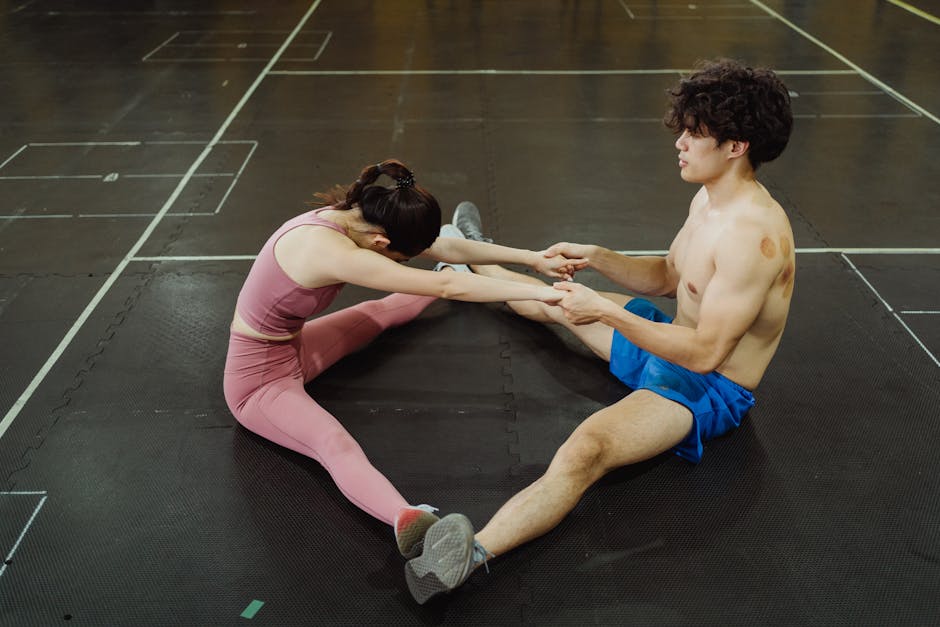
Exercise Daily _ Daily Stretching Routine For Flexibility
Flexibility is often viewed as a fundamental aspect of physical fitness, yet many individuals overlook its importance in their daily routines. A daily stretching routine for flexibility can enhance performance, reduce injury risk, and improve overall quality of life. However, misconceptions abound regarding how, when, and why we should stretch. In this article, we will explore the evidence supporting daily stretching, counter common myths, and provide a well-structured routine that anyone can adopt.
Explore more in our Natural Remedies section.
Explore more in our Wellness section.
Explore more in our Nutrition section.
The Importance of Flexibility
Flexibility is defined as the ability of a joint or series of joints to move through an unrestricted, pain-free range of motion (ROM). It plays a crucial role in physical activity, athletic performance, and daily living. Research indicates that improved flexibility can lead to better posture, increased blood flow, and enhanced muscular coordination (Behm & Chaouachi, 2011).
- Enhances Performance: Greater flexibility can improve athletic performance by allowing muscles to work more efficiently.
- Reduces Injury Risk: Stretching can help prevent injuries by preparing muscles for activity and increasing their elasticity.
- Improves Posture: Regular stretching can help align the body, reducing strain on muscles and joints.
- Relieves Muscle Soreness: Stretching may alleviate post-exercise soreness and improve recovery times.
Common Misconceptions About Stretching
Despite the benefits, many misconceptions about stretching persist. Here are some of the most prevalent myths:
1. Stretching Before Exercise is Essential
Many athletes and fitness enthusiasts believe that static stretching before a workout is crucial for injury prevention. However, studies have shown that static stretching can temporarily reduce muscle strength and power (Behm et al., 2016). Instead, a dynamic warm-up that incorporates movement-based stretches may be more effective in preparing the body for physical activity.
2. Flexibility is Only Important for Athletes
Flexibility is often viewed as a concern primarily for athletes. In reality, everyone can benefit from improved flexibility, regardless of their activity level. Daily tasks, such as bending down to tie shoes or reaching for items on high shelves, can become easier with increased flexibility.
3. You Can Become Instantly Flexible
Many believe that a few stretching sessions can lead to instant flexibility gains. In truth, flexibility is a long-term adaptation that requires consistent practice. According to a study published in the Journal of Sports Science and Medicine, flexibility improvements take time and dedication (Cramer et al., 2013).
Evidence-Based Benefits of Daily Stretching
Research supports the integration of daily stretching routines for flexibility enhancement. A systematic review published in the Journal of Physical Therapy Science highlights that regular stretching significantly improves flexibility across various populations (Kok et al., 2018). Furthermore, stretching has been shown to promote relaxation and reduce stress levels, making it an excellent addition to wellness routines.
Crafting Your Daily Stretching Routine
To maximize the benefits of flexibility training, consider incorporating a daily stretching routine tailored to your needs. Below is a sample routine that targets major muscle groups. Each stretch should be held for 15-30 seconds and repeated 2-3 times.
1. Neck Stretch
Gently tilt your head to one side, bringing your ear towards your shoulder. Hold for 15-30 seconds, then switch sides.
2. Shoulder Stretch
Cross one arm over your body, using the opposite arm to pull it closer to your chest. Hold for 15-30 seconds, then switch arms.
3. Chest Stretch
Stand with your arms behind you, interlocking your fingers. Gently lift your arms and open your chest. Hold for 15-30 seconds.
4. Triceps Stretch
Raise one arm overhead, bend the elbow, and reach down your back. Use the opposite hand to gently push on the elbow. Hold for 15-30 seconds, then switch arms.
5. Hamstring Stretch
While seated, extend one leg out and bend the other inward. Reach towards your toes on the extended leg. Hold for 15-30 seconds, then switch legs.
6. Quadriceps Stretch
Stand and grab one ankle, pulling it towards your glutes. Keep your knees together. Hold for 15-30 seconds, then switch legs.
7. Hip Flexor Stretch
In a lunge position, lower your hips forward while keeping your back leg straight. Hold for 15-30 seconds, then switch sides.
8. Calf Stretch
Stand facing a wall, place one foot behind you, and press the heel into the ground. Hold for 15-30 seconds, then switch legs.
Integrating Stretching into Your Lifestyle
To truly reap the benefits of a daily stretching routine for flexibility, it’s essential to integrate it into your lifestyle. Here are some practical tips:
- Schedule Stretching: Set aside a specific time each day for your stretching routine, making it a non-negotiable part of your day.
- Pair with Other Activities: Consider stretching after workouts or during breaks at work to enhance recovery and reduce muscle tension.
- Use Technology: Utilize apps or online videos for guided stretching sessions to keep your routine fresh and engaging.
- Stay Consistent: Aim for daily practice, as flexibility gains require consistent effort over time.
Counterarguments: Why Some Say Stretching is Overrated
While the benefits of stretching are well-documented, some fitness professionals argue against its necessity. They contend that:
- Time Consumption: Many believe that the time spent stretching could be better utilized for strength training or cardiovascular exercise.
- Injury Prevention Myths: Some argue that there is insufficient evidence to support the claim that stretching prevents injuries.
- Genetics and Flexibility: Others claim that flexibility is largely determined by genetics and that stretching may have limited effects.
However, while these points are valid, they often overlook the holistic benefits of flexibility training. Improved flexibility not only enhances physical performance but also contributes to overall well-being, making it an essential component of a balanced fitness regimen.
Conclusion
A daily stretching routine for flexibility is not just a trend; it is a vital practice supported by research and experience. By debunking myths and recognizing the benefits, individuals can enhance their physical capabilities and overall health. Whether you are an athlete or someone looking to improve daily movements, incorporating flexibility training into your routine can lead to significant long-term benefits. Remember, flexibility is a journey that requires time and dedication, but the rewards are well worth the effort.
For more information on exercise routines, check out our Exercise Daily section. Explore our Fitness resources for additional tips and strategies to enhance your overall health.
- Behm, D. G., & Chaouachi, A. (2011). A review of the acute effects of static and dynamic stretching on performance. PubMed.
- Cramer, J. T., et al. (2013). The effects of stretching on performance and injury. Journal of Sports Science and Medicine.
- Kok, K., et al. (2018). Effects of stretching on flexibility: A systematic review. Journal of Physical Therapy Science.
- Behm, D. G., et al. (2016). The effects of muscle stretching on strength and power performance. NIH.
Eat daily, sleep daily, exercise daily.
These are for informational purposes only. Consult your doctor and do your own research before use.