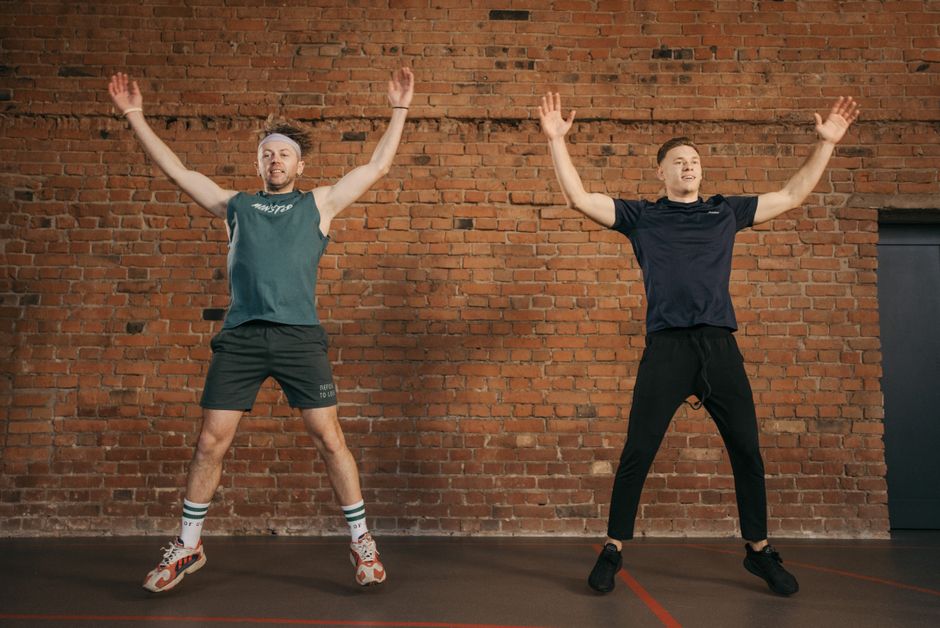
Fast Reflex Training Drills | Exercise Daily
Many believe that fast reflex training is only for elite athletes or martial artists, but this is a myth that holds back countless individuals from enhancing their agility and reaction time. Fast reflex training drills can benefit anyone, from casual gym-goers to busy parents looking to improve their everyday coordination and responsiveness. Reflexes can be trained and improved just like any other skill, and understanding the right drills is key to unlocking your potential. For more help, see our exercise training guides.
Who This Is For
- Beginners looking to improve their coordination and reaction time.
- Athletes wanting to enhance their performance in sports.
- Busy adults seeking quick and effective workouts.
- Parents who want to stay agile and energetic.
- Individuals recovering from injuries aiming to regain their reflexes and coordination.
What Most People Get Wrong
A common misconception is that reflex training requires specialized equipment or a gym membership. In reality, many effective drills can be performed with minimal or no equipment. This accessibility means that anyone can engage in reflex training, whether at home, in a park, or at the gym. Another mistake is assuming that speed is the only factor; while it is important, accuracy and control are equally crucial in reflex training. Effective reflexes involve not just quick responses but also the ability to direct those responses accurately. Lastly, some people neglect to warm up properly, which can lead to injuries and hinder performance. A proper warm-up prepares your body for the physical demands of reflex training, ensuring that your muscles and joints are ready to perform at their best. For more help, see our exercise training guides.
Why This Actually Works
Fast reflex training drills work by improving the communication between your brain and muscles. This enhances your ability to respond to stimuli quickly and accurately. According to the National Strength and Conditioning Association (NSCA), agility and quickness training can lead to significant improvements in athletic performance (NSCA, 2021). The brain’s ability to process information quickly is crucial in many sports and physical activities. Drills that incorporate visual and auditory cues further engage your brain, leading to better cognitive processing and faster reactions. For instance, drills that require you to respond to a sound or visual signal can enhance your ability to react to unexpected situations, a skill that is invaluable not only in sports but also in everyday life. For more help, see our exercise training guides.
Mistakes to Avoid


As an Amazon Associate, Exercise Daily earns from qualifying purchases. This post may contain affiliate links. Last updated: October 23, 2026
When engaging in reflex training, avoid the following pitfalls:
- Skipping Warm-Ups: Always warm up to prepare your muscles and joints, reducing the risk of injury. A good warm-up can include dynamic stretches and light cardio to increase blood flow to your muscles.
- Overtraining: Allow adequate recovery time between training sessions to prevent fatigue and burnout. Overtraining can lead to diminished returns, where your performance declines instead of improves.
- Neglecting Technique: Focus on form and accuracy rather than just speed to develop effective reflexes. Proper technique ensures that you’re developing the right muscle memory and coordination.
- Ignoring Progression: Start with basic drills and gradually increase complexity and speed as you improve. This progression helps to build confidence and ensures that you don’t overwhelm yourself with too much too soon.
Effective Fast Reflex Training Drills
Here’s a selection of practical drills that can enhance your reflexes:
| Exercise | Target Muscle | Sets | Reps | Difficulty | Safety Cue |
|---|---|---|---|---|---|
| Ball Drop | Full Body | 3 | 10 | Easy | Focus on catching the ball, keep your eyes on it. |
| Lateral Shuffles | Legs | 4 | 30 sec | Medium | Stay low to the ground to improve agility. |
| Reaction Ball Drill | Full Body | 3 | 10 | Medium | Use a reaction ball to improve unpredictability. |
| Agility Ladder | Legs | 4 | 1 min | Hard | Maintain proper footwork; avoid crossing feet. |
Beginner Tips
- Start with simple drills like the Ball Drop to build confidence. This drill helps you develop hand-eye coordination, which is foundational for more complex movements.
- Focus on slow, controlled movements before increasing speed. Mastering the technique at a slower pace ensures that you can perform the drill correctly at higher speeds later on.
- Incorporate balance exercises, like standing on one leg, to enhance stability. Balance is crucial for effective reflexes, as it allows you to maintain control during rapid movements.
Advanced Tips
- Integrate complex drills involving multiple movements, like combining lateral shuffles with ball catches. This not only improves reflexes but also enhances overall agility and coordination.
- Use tools like a reaction ball or agility ladder to add variety and challenge. These tools can create unpredictable situations that force you to react quickly and accurately.
- Incorporate partner drills where one person calls out commands for added unpredictability. Working with a partner can simulate real-life scenarios where quick decision-making and reaction are required.
Real-World Use Cases
Fast reflex training can have numerous applications in daily life:
- Sports Performance: Athletes who train their reflexes often see improvements in their game, such as quicker reaction times during critical plays. For example, a soccer player can better anticipate an opponent’s move, leading to more effective defense or offense.
- Everyday Activities: Improved reflexes can help with tasks like catching a falling object or avoiding obstacles while walking. This can be particularly beneficial for parents who need to react quickly to their children’s movements.
- Rehabilitation: Individuals recovering from injuries can use reflex drills to regain coordination and strength. For instance, after an ankle injury, specific reflex training can help restore balance and prevent future injuries.
Frequently Asked Questions
1. How often should I practice reflex training drills?
For best results, aim to incorporate reflex training into your routine 2-3 times a week, allowing for recovery days in between. This frequency helps to ensure consistent improvement while preventing overuse injuries.
2. Can I do reflex training at home?
Absolutely! Many reflex drills require little to no equipment and can be performed in a small space. This makes it easy to fit training into your schedule, whether you’re at home or on the go.
3. How long should each training session last?
Sessions can range from 15 to 30 minutes, focusing on quality over quantity. The key is to maintain high intensity during each drill to maximize benefits.
4. Is there an age limit for reflex training?
No, individuals of all ages can benefit from reflex training, though the drills may need to be adjusted based on fitness levels. Children, adults, and seniors can all incorporate reflex training into their routines, making it a versatile fitness component.
5. What equipment do I need for reflex training?
Basic equipment like a reaction ball or agility ladder can enhance your drills, but many exercises can be done without any gear. Simple items like a tennis ball or even your own body weight can serve as effective tools in your training arsenal.
Extra Value: Quick Reflex Training Routine
Here’s a simple 10-minute routine to get you started:
- Warm-up: 2 minutes of light jogging in place to increase your heart rate and prepare your muscles.
- Ball Drop: 3 sets of 10 catches to develop hand-eye coordination.
- Lateral Shuffles: 1 minute to enhance lateral movement and agility.
- Reaction Ball Drill: 3 sets of 10 catches to improve unpredictable responses.
- Agility Ladder: 1 minute, focusing on foot speed and accuracy.
- Cool down: Stretch for 3-5 minutes to promote recovery and flexibility.
References
- PubMed
- National Strength and Conditioning Association (NSCA)
- American College of Sports Medicine (ACSM)
- World Health Organization (WHO)
Fast reflex training drills can elevate your agility and responsiveness, benefiting various aspects of your life. By incorporating these drills into your routine, you’ll be on your way to sharper reflexes in no time. Remember, consistency is key, and as you progress, you’ll find your ability to react quickly and accurately becomes a valuable asset in both sports and everyday situations. Eat daily, sleep daily, exercise daily, and train your reflexes for a more agile future.
These are for informational purposes only. Consult your doctor and do your own research before use.