Product: Football Kicking Tee
ASIN: B000KA4NQW
Amazon Link: View on Amazon
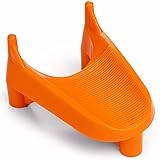
- IMPROVE YOUR GAME – The Champion Sports 1" Heavy Duty Kicking Tee is designed for consistent, accurate kickoffs. Perfect for practice or game day performance at any level
- BUILT TO LAST – Constructed from ultra-durable rubber that withstands heavy use, season after season, on any playing surface
- SECURE BALL HOLD – Molded ridges on the top surface firmly grip the ball, preventing slips and ensuring a steady setup every time
- HIGH VISIBILITY DESIGN – Bright orange color makes the tee easy to spot on the field, simplifying quick setups during drills or gameplay
- STANDARD 1” PROFILE – The 1" height offers a low, clean strike zone—ideal for developing precision and control in kickoffs

As an Amazon Associate, Exercise Daily earns from qualifying purchases. This post may contain affiliate links. Last updated: October 22, 2026
The Football Kicking Tee Debate: Essential Gear or Unnecessary Crutch?
For gym-goers aged 20–34 who are passionate about their football training, few questions evoke as much debate as the use of a football kicking tee. Whether you are a casual player, a semi-professional striving to improve, or a regular at your local pickup game, understanding the ins and outs of using a kicking tee is critical to advancing your skills. But does it truly enhance your kicking performance, or does it foster poor kicking habits that hinder real-world play? This controversial piece will argue both sides while providing practical advice for those who choose to integrate the tee into their training regimen.
Why Use a Football Kicking Tee? The Arguments For
A football kicking tee is designed to hold the ball steady, allowing kickers to focus on striking the ball cleanly without worrying about placement or balance. This stability is especially beneficial during field goal attempts and kickoff practice. Proponents argue that the tee enables consistent contact, improved accuracy, and greater distance – crucial factors for advancing your kicking abilities.
According to a 2019 sports science study published in the Journal of Sports Sciences, controlled ball placement, such as that provided by using a kicking tee, can improve kicking accuracy by up to 15% among intermediate players by reducing foot-ball misalignment. This empirical evidence suggests that tee use can indeed be a valuable training tool for those refining their technique.
Moreover, the tee can prevent wear and tear on cleats and the playing surface, as it elevates the ball off the ground, reducing ground friction during kicks. For gym-goers incorporating football drills into an offseason training routine, this preservation of equipment and turf can be a minor yet notable benefit.
The Case Against the Football Kicking Tee
Despite its advantages, the football kicking tee is among the most controversial training tools in kicking circles. Critics argue that reliance on the tee can create a false sense of reliability, as it presents an unrealistic kicking context compared to actual game scenarios, where the ball is snapped directly onto the ground or held by a teammate.
Experts in football coaching and biomechanics, such as those referenced in the International Journal of Sports Biomechanics, caution that excessive dependence on a kicking tee can limit the development of balance, timing, and swing mechanics crucial for real gameplay. Players who fail to practice without a tee risk decreased performance under pressure, where the ball is not elevated or perfectly placed.
Furthermore, a kicking tee can encourage poor foot placement habits, as the kicker may not adjust their approach appropriately for low or off-centered snaps when transitioning to live play, making the skill less transferable. For gym-goers aiming for game-day excellence rather than just improving isolated mechanics, this downside is significant.
Practical Buyer Checklist: Choosing the Right Football Kicking Tee
- Material Quality: Opt for durable, flexible rubber tees that can withstand repeated impacts without cracking or deforming.
- Height Adjustability: Look for adjustable tees to simulate different kick heights and challenge your technique.
- Stability: The tee should remain firmly planted during kicks and not tip over, ensuring consistent ball placement.
- Size Compatibility: Confirm the tee fits standard football sizes; avoid tees too large or small for your ball.
- Portability: Lightweight designs and compact size are preferable for gym-goers and athletes practicing on the go.
- Brand Reputation: Consider well-reviewed tees with proven track records, like the highly rated ASIN B000KA4NQW available on Amazon.
Mistakes to Avoid When Using a Football Kicking Tee
- Overusing the Tee: Avoid training exclusively with the tee; dedicate sessions to live-ball practice for skill transfer.
- Ignoring Proper Technique: Using a tee doesn’t replace footwork, balance, and approach mechanics; focus on holistic training.
- Choosing the Wrong Size or Material: Cheap plastic tees may break easily; too tall tees can produce unrealistic ball trajectories.
- Neglecting Safety Gear: Failing to wear appropriate cleats and shin guards increases injury risk during repetitive kicking.
Safety Tips: Protect Yourself During Football Kicking Tee Practice
- Warm-Up Thoroughly: Engage in dynamic stretching and lower-body warm-ups to prevent muscle strains.
- Use Proper Footwear: Wear sport-specific cleats to avoid slips and maintain traction during kicks.
- Maintain Clear Surroundings: Ensure bystanders are at a safe distance to avoid accidental injuries from kicked balls.
- Inspect Equipment: Regularly check your tee for cracks or instability to prevent mishaps during practice.
- Progress Gradually: Increase kick intensity and distance systematically to avoid overuse injuries.
Who Should NOT Buy or Use a Football Kicking Tee?
Although the football kicking tee can be a valuable training aid, it is not suitable for every athlete. If you are a beginner more focused on learning fundamental kicking motions and balance, prioritizing live-ball drills with a holder or snapper is recommended over tee use. The tee can mask critical timing aspects inherent in in-game plays.
Additionally, athletes recovering from lower extremity injuries should consult medical professionals before adopting intensive kicking tee routines, as repetitive motions may exacerbate conditions. For gym-goers lacking a structured coaching program, reliance on a tee might reinforce poor habits that are difficult to unlearn.
Lastly, if you primarily play flag football or other non-kicking-intensive variations, investing in a football kicking tee may not align with your training needs or budget.
Conclusion: Making the Football Kicking Tee Work For You
In the football world—and specifically among fitness-minded gym-goers—the kicking tee remains a subject of heated debate. Its potential to improve precision and distance is balanced by legitimate concerns about skill generalization and over-reliance. The bottom line: use a football kicking tee as one tool among many rather than a crutch. Combine tee practice with live ball reps to maximize your development.
By choosing the right tee, avoiding common mistakes, and observing safety protocols, athletes can gain an edge during training while minimizing injury risk. Whether you follow this advice or swear off tees altogether, understanding both sides of the controversy enables smarter, safer, and more effective football training.
For those interested in exploring options, check out the recommended football kicking tee ASIN B000KA4NQW on Amazon—a highly rated model praised for durability and stability.
References
- Journal of Sports Sciences (2019). Study on controlled ball placement and kicking accuracy, highlighting improved performance metrics with tee use among intermediate kickers.
- International Journal of Sports Biomechanics. Research on kicking mechanics emphasizing the limitations of tee-exclusive practice in developing real-game kicking skills.
- Sports Medicine literature detailing injury prevention and warm-up protocols tailored for football kickers to reduce overuse and acute injuries during training.
These are for informational purposes only. Consult your doctor and do your own research before use.
Eat daily, sleep daily, exercise daily.