How To Protect Knees During Workouts | Exercise Daily
Many people believe that knee pain is an inevitable part of exercising, but this is a myth that can be debunked. In fact, with the right techniques and knowledge, you can actively protect your knees during workouts and maintain their health. Understanding how to protect knees during workouts is crucial for anyone looking to stay active and injury-free. Let’s break down how you can achieve this. For more help, see our exercise training guides.
Who This Is For
- Beginners who are just starting their fitness journey.
- Athletes looking to enhance their performance while avoiding injuries.
- Busy adults who want to fit effective workouts into their schedules.
- Parents who often have to juggle fitness with family responsibilities.
- Individuals recovering from past knee injuries.
What Most People Get Wrong
Many individuals mistakenly believe that all exercises are safe for their knees, regardless of their form or technique. They often neglect the importance of proper warm-up routines and cool-down stretches, thinking they can skip these steps without consequences. Additionally, some people assume that knee pain is just a sign of aging or that they need to push through discomfort to achieve results. These misconceptions can lead to injuries that could have been easily avoided. For more help, see our exercise training guides.
Another common error is the belief that certain high-impact activities, such as running or jumping, are inherently bad for the knees. While these exercises can be part of a healthy routine, they need to be approached with caution and proper technique. It’s essential to recognize that not all exercises are created equal, and some may be more appropriate than others depending on your fitness level and any pre-existing conditions. For more help, see our exercise training guides.
Moreover, many people overlook the importance of cross-training. Engaging in a variety of exercises not only prevents overuse injuries but also ensures balanced development of muscle groups, which is essential for knee stability. Understanding these aspects can help individuals make informed choices about their workouts, ultimately leading to a healthier, pain-free experience.
Why This Actually Works
Protecting your knees during workouts is about understanding biomechanics and the importance of proper movement patterns. When you engage in exercises with correct form, you distribute weight evenly across your joints, reducing unnecessary strain. Incorporating flexibility and strength training not only enhances your overall fitness but also fortifies the muscles around your knees, providing better support. Moreover, warming up increases blood flow to your muscles, thus preparing them for the workout ahead and helping to prevent injuries.
Additionally, understanding the anatomy of the knee can help you appreciate how important it is to maintain its health. The knee joint is a complex structure made up of bones, cartilage, ligaments, and tendons. Each component plays a critical role in the joint’s function and stability. For instance, the ligaments help stabilize the joint during movement, while the cartilage acts as a cushion, absorbing impact during physical activity. By strengthening the muscles surrounding the knee, you can provide extra support to these structures, which can help prevent injuries such as ligament tears or cartilage damage.
Mistakes to Avoid


As an Amazon Associate, Exercise Daily earns from qualifying purchases. This post may contain affiliate links. Last updated: October 9, 2026
To effectively protect your knees, it’s vital to recognize common mistakes:
- Poor Form: Always prioritize proper technique over the amount of weight lifted or speed of execution. This includes ensuring that your knees are aligned with your toes during movements.
- Ignoring Pain: If you feel pain, stop. Pushing through can lead to serious injuries. Learning to differentiate between discomfort and pain is crucial to preventing injuries.
- Skipping Warm-ups: Never skip your warm-up. It’s crucial for preparing your joints and muscles. Incorporate dynamic movements to increase blood flow and flexibility.
- Neglecting Strength Training: Weak muscles around the knee can lead to instability and increased risk of injury. Focus on a balanced strength training program that targets all major muscle groups.
- Overdoing It: Many people want to see results quickly and may push themselves too hard. Gradually increase intensity and volume in your workouts to allow your body to adapt.
Practical Tips for Knee Protection
Here are some actionable strategies to help protect your knees:
1. Warm-Up Properly
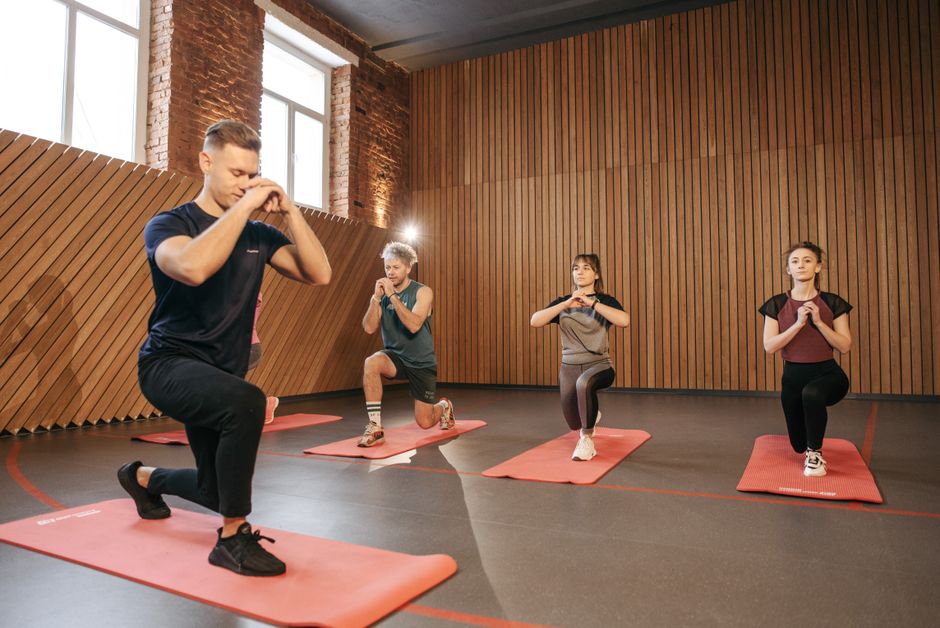
Engage in a dynamic warm-up that includes movements like leg swings, lunges, and gentle squats. Aim for at least 5-10 minutes to prepare your knees. This warm-up should increase your heart rate and blood circulation, which can help reduce the risk of injury. Consider incorporating mobility exercises that target the hips and ankles, as these joints work in tandem with the knees. The more mobile these joints are, the less strain they will place on your knees during workouts.
2. Strengthen Your Legs
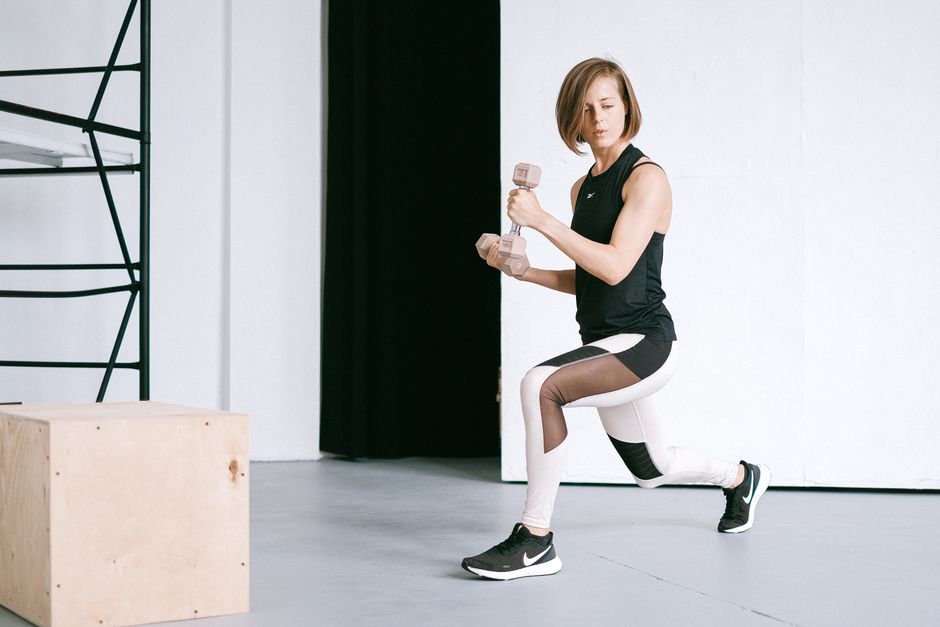
Include exercises that target your quadriceps, hamstrings, and calves. Strong supporting muscles can significantly alleviate pressure on your knees. Consider exercises such as leg presses, hamstring curls, and calf raises. Additionally, incorporating compound movements like lunges and squats can build functional strength. Aim for at least two to three strength training sessions per week, focusing on different muscle groups each time to allow for recovery.
3. Use Proper Footwear
Wear workout shoes that provide adequate support and cushioning. This can help absorb shock and reduce the impact on your knees. It’s essential to choose the right type of shoe for your specific activity (e.g., running shoes for running, cross-trainers for gym workouts). Regularly replacing worn-out shoes is also crucial, as worn soles can lead to improper alignment and increased strain on your knees.
4. Focus on Flexibility
Incorporate stretching routines that enhance flexibility in your thighs, hips, and calves. Tight muscles can pull on your knee joint and lead to pain. Static stretching should be performed post-workout when your muscles are warm, while dynamic stretching can be part of your warm-up. Yoga and Pilates are excellent ways to improve flexibility and core strength, both of which contribute to knee health.
5. Monitor Your Weight
Excess weight can put additional strain on your knees. Maintaining a healthy weight through balanced nutrition and regular exercise can help. Consider working with a nutritionist to develop a meal plan that supports your fitness goals. Additionally, incorporating low-impact cardio exercises, such as swimming or cycling, can help you manage your weight while minimizing stress on your knees.
Sample Knee-Friendly Exercise Routine
| Exercise | Target Muscle | Sets | Reps | Difficulty | Safety Cue |
|---|---|---|---|---|---|
| Bodyweight Squats | Quadriceps | 3 | 10-15 | Beginner | Keep your knees behind your toes. |
| Step-Ups | Glutes | 3 | 10-12 (each leg) | Beginner | Use a stable platform and keep your knee aligned. |
| Leg Raises | Hamstrings | 3 | 12-15 | Beginner | Engage your core and avoid arching your back. |
| Wall Sits | Quadriceps | 3 | 30-60 seconds | Intermediate | Ensure your knees are at a right angle. |
Frequently Asked Questions
1. What are common causes of knee pain during workouts?
Common causes include poor form, overuse, inadequate warm-up, and muscle imbalances. Addressing these factors can help mitigate pain. Other contributing factors can be related to previous injuries, underlying conditions such as arthritis, or even inadequate footwear that fails to provide proper support.
2. How can I tell if I’m exercising safely?
Pay attention to your body. You should not feel sharp pain. If you do, reassess your form or take a break. Additionally, consider keeping a workout journal to track your exercises, noting any discomfort or pain experienced during specific movements. This can help you identify patterns and make necessary adjustments.
3. Is strength training necessary for knee health?
Yes, strengthening the muscles around your knees provides better support and can prevent injuries. It is essential to focus not only on the major muscle groups but also on the smaller stabilizing muscles that play a crucial role in maintaining knee health.
4. How often should I stretch for knee protection?
Incorporate stretching into your routine at least 3-4 times a week, focusing on the muscles surrounding the knees. Consider integrating a variety of stretches targeting the quads, hamstrings, calves, and hip flexors, as these areas can significantly influence knee function.
5. Can I still work out if I have knee pain?
It depends on the severity of the pain. Consult a healthcare professional for advice. Gentle movements and low-impact exercises are usually safer. Activities such as swimming, cycling, or using an elliptical machine can provide a good workout without putting excessive strain on the knees.
Extra Value Tip
Try incorporating a simple recovery routine post-workout: spend 5-10 minutes doing gentle stretches focusing on your quadriceps, hamstrings, and calves. This can greatly enhance flexibility and reduce tightness around the knees. Additionally, consider using foam rolling techniques or massage to help alleviate muscle tightness and improve blood flow to the area.
- References
By implementing these strategies and understanding the importance of knee health, you can enjoy your workouts without the fear of injury. Stay proactive and listen to your body for a safe and effective fitness journey.
Eat daily, sleep daily, exercise daily.