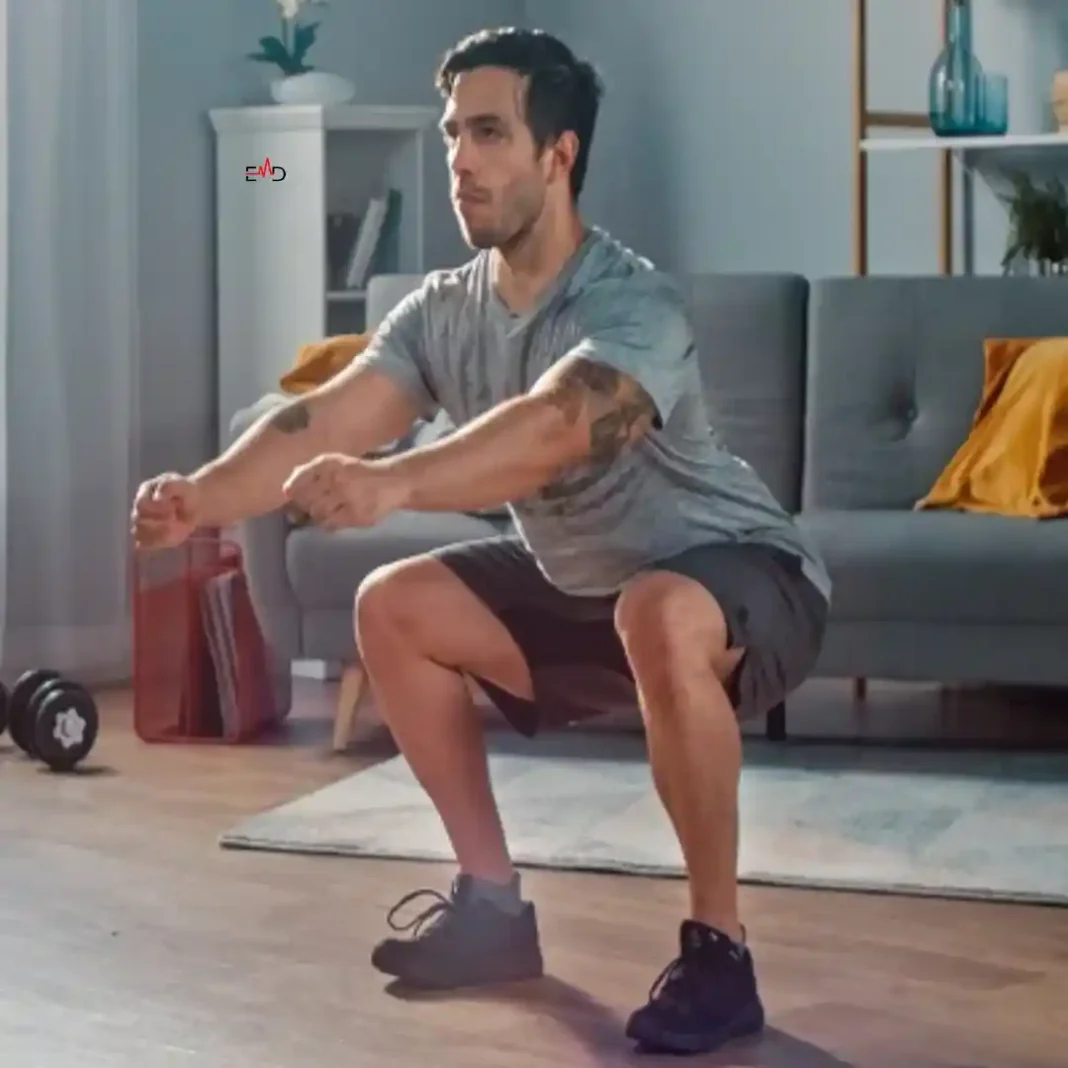
Kettlebells can support full-body strength work when the movement is controlled and the weight is manageable. Beginners should learn one pattern at a time and choose a bell they can hold, carry, and lower without straining.
Choose the right starting point
Start with a light weight and a clear floor. A hinge, squat, press, row, and carry can make a balanced session without complicated combinations.
Five kettlebell exercises for a full-body workout
1. Kettlebell deadlift
Place the bell between your feet, push the hips back, and stand by driving through the floor. Keep the bell close and avoid rounding the back.
2. Goblet squat
Hold the bell close to the chest, sit down under control, and stand tall. Use a comfortable depth.
3. Supported row
Support one hand on a stable surface and row the bell toward the hip. Repeat evenly on both sides.
4. Floor press
Lie on the floor, press the bell upward with control, and lower slowly. This can limit the range for beginners.
5. Suitcase carry
Hold one bell at your side and walk slowly with a tall posture. Switch sides after a short distance.
Simple routine
| Exercise | Starting volume |
|---|---|
| Deadlift and goblet squat | 6–10 controlled repetitions |
| Row and floor press | 6–10 per side |
| Suitcase carry | 20–30 seconds per side |
Rest between exercises and complete one or two rounds. Add repetitions or load only after form stays consistent.
Related beginner guides
See beginner strength training, exercises for people who sit all day, and fitness basics for beginners.
Safety
Stop for pain, dizziness, or loss of control. Learn the kettlebell swing from a qualified coach rather than attempting it as a first movement.
This article is for general education and is not individualized medical or exercise advice.