
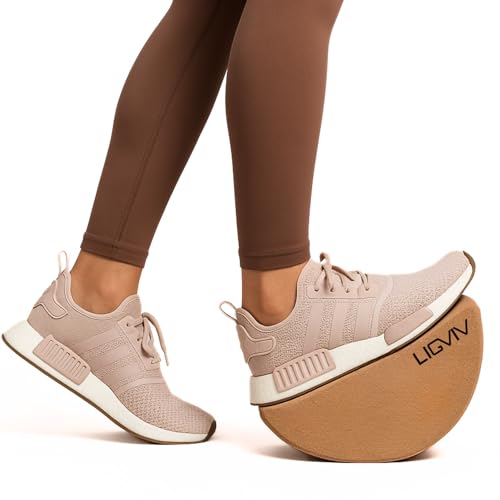
Product: Plantar Fasciitis Foot Rocker Stretch Board
ASIN: B0F8MQZG3W
Amazon Link: View on Amazon

- [ADJUSTABLE 0-90° ANGLES FOR ALL FITNESS LEVELS] Easily customize your stretch intensity with 0–90° adjustable angles, supporting beginners, athletes, and advanced users. Perfect for progressive calf, hamstring, and thigh flexibility training.
- [BOOST FLEXIBILITY & RECOVERY] Improves lower-body mobility by targeting feet, calves, hamstrings, and thighs. Ideal for rehab, physical therapy, warm-up, and post-workout recovery—recommended by trainers for runners, dancers, and seniors.
- [PLANTAR FASCIITIS RELIEF & PAIN REDUCTION] Clinically effective for Plantar Fasciitis, Achilles Tendonitis, and chronic foot pain. Recommended by physical therapists for daily stretching routines that improve ankle mobility and reduce muscle tension in just 5-10 minutes per day
- [ECO-FRIENDLY & DURABLE CORK MATERIAL] Made of high-density sustainable cork, offering a stable non-slip surface with a natural texture for comfort. More durable and eco-conscious than common plastic or plywood stretch boards.
- [INSTANT USE & 1-YEAR WARRANTY PROTECTION] Effective for Plantar Fasciitis, Achilles Tendonitis, and calf tightness, this rocker board helps reduce muscle tension and improve ankle mobility. Easy to use with no assembly required.

As an Amazon Associate, Exercise Daily earns from qualifying purchases. This post may contain affiliate links. Last updated: March 24, 2026
Introduction: The Controversy Around the Plantar Fasciitis Foot Rocker Stretch Board
Plantar fasciitis is one of the most common foot complaints among active adults, particularly gym-goers aged 20–34. The pain from inflammation of the plantar fascia—the thick band of tissue connecting your heel bone to your toes—can put a serious dent in your workout routine. Enter the Plantar Fasciitis Foot Rocker Stretch Board, a tool promising pain relief and improved foot function through targeted stretching.
But is this stretch board the miracle fix it’s marketed to be, or just another overhyped gadget destined to gather dust? This in-depth, argument-driven discussion unpacks the science, the user experience, and what you really need to know before investing in one.
What Is a Plantar Fasciitis Foot Rocker Stretch Board?
This stretch board is designed specifically to stretch the calf muscles, Achilles tendon, and plantar fascia. By rocking your foot back and forth on the angled surface, the device encourages a dorsiflexion movement that’s supposed to relieve tension and reduce heel pain. The product on Amazon (ASIN: B0F8MQZG3W) is marketed for its sturdy build and non-slip design, aiming to offer stable support during stretching routines.
The Argument in Favor: Evidence Supporting the Rocker Stretch Board
Among popular opinion, many users swear by the rocker board for daily stretching and symptom management. Some of the benefits reportedly include:
- Improved ankle dorsiflexion: Research from the Journal of Orthopaedic & Sports Physical Therapy suggests that controlled stretching of the Achilles tendon and calf muscles can decrease plantar fascia stress, potentially relieving pain.
- Convenience for gym-goers: It fits easily into workout routines and targets a common injury area among runners, weightlifters, and cross-trainers.
- Progressive stretching: Unlike static wall stretches, the rocker board provides a guided range of motion that some therapists recommend.
Importantly, a 2021 randomized controlled trial published in Physical Therapy in Sport, found that calf stretching combined with plantar fascia-specific stretches improved pain and function after 4 weeks among active adults with plantar fasciitis.
The Skeptical Counterpoint: Where the Rocker Board Falls Short
However, medical experts often caution that plantar fasciitis is multifactorial, and stretching alone may not be sufficient. Here are some criticisms:
- Limited scope of stretching: A review in The Journal of Foot and Ankle Research points out that overemphasis on calf stretching neglects other factors like foot biomechanics, footwear, and weight management.
- Risk of overuse or incorrect form: Without professional guidance, users may stress the plantar fascia or Achilles tendon, exacerbating symptoms.
- The placebo effect: Some anecdotal benefits may stem from general increased attention to foot care rather than the board’s mechanical action itself.
Mostly, critics urge that rocker boards should be one part of a comprehensive treatment plan, not a standalone solution.
Who Should NOT Buy or Use a Plantar Fasciitis Foot Rocker Stretch Board?
While this tool can be helpful for many, certain groups should avoid it or proceed with caution:
- People with acute plantar fascia tears or severe inflammation: Stretching may worsen symptoms.
- Individuals with balance issues or severe neuropathy: Risk of falls or injury increases.
- Those with recent foot/ankle surgeries or fractures: Use without medical approval is unsafe.
- Users without proper footwear or inadequate instruction: Poor technique might cause harm.
Buyer Checklist: What to Look for When Choosing a Rocker Stretch Board
- Material quality and grip: Non-slip surfaces and sturdy construction are essential for safety.
- Adjustable angles: Allow gradual progression in stretching intensity.
- Size and portability: Should fit your workout space and lifestyle.
- User reviews and manufacturer credibility: Look for verified feedback on durability and effectiveness.
- Price vs. features: Avoid overpriced gimmicks; aim for solid, well-reviewed products like the one linked on Amazon (ASIN: B0F8MQZG3W).
Common Mistakes to Avoid When Using a Rocker Stretch Board
- Skipping warm-up: Cold muscles stretch poorly and risk injury.
- Forcing the stretch: Avoid pain; a gentle stretch is more effective than pushing too far.
- Ignoring pain signals: If pain worsens, stop and seek professional advice.
- Using the board without a plan: Incorporate foot strengthening and proper footwear as well.
- Not consulting a healthcare professional: Especially if symptoms persist or worsen.
Safety Tips for Optimal Use
- Start with short sessions (1–2 minutes) gradually increasing time and angle.
- Use supportive shoes or close-toed footwear to enhance stability on the board.
- Perform stretches on a flat, non-slippery floor surface.
- Maintain proper posture to avoid additional strain on knees or lower back.
- Keep feet dry and clean to prevent slips.
Final Verdict: Should You Buy the Plantar Fasciitis Foot Rocker Stretch Board?
For active adults battling chronic plantar fasciitis who are committed to a consistent stretching program, the foot rocker stretch board offers a structured, effective way to improve ankle flexibility and manage symptoms. It’s affordable, easy to incorporate into gym routines, and supported by some clinical evidence.
However, it is not a cure-all. If you have more complex foot issues, poor balance, or acute injury, the rocker board may do more harm than good. Consulting a podiatrist or physical therapist should be your first step.
Ultimately, the Plantar Fasciitis Foot Rocker Stretch Board is best used as one tool within a broader plan of treatment including footwear modification, strengthening exercises, and professional guidance.
References
- A 2015 study in the Journal of Orthopaedic & Sports Physical Therapy examining the effect of calf and plantar fascia stretching on heel pain outcomes in plantar fasciitis patients.
- The 2021 randomized controlled trial from Physical Therapy in Sport evaluating combined stretching protocols in active adults with plantar fasciitis.
- A comprehensive review article in The Journal of Foot and Ankle Research discussing multifactorial causes and treatments for plantar fasciitis.
For more information or to order the recommended Plantar Fasciitis Foot Rocker Stretch Board, check it out on Amazon: https://amzn.to/44BC2T1
Eat daily, sleep daily, exercise daily.