Reaction Light Exercises At Home | Exercise Daily
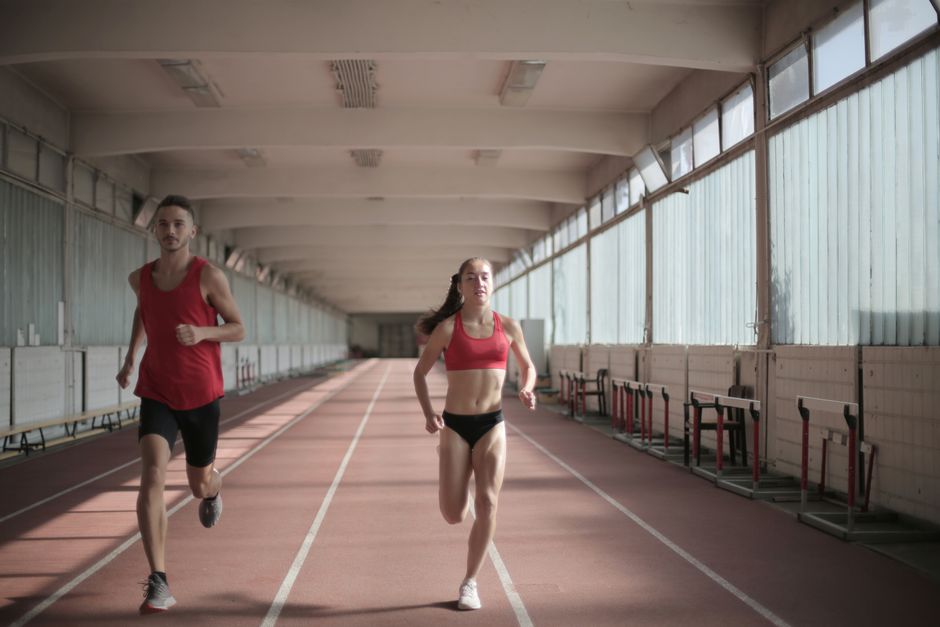
Many people believe that you need expensive equipment or a gym membership to effectively improve your reaction time and overall fitness. This misconception can hold you back from maximizing your potential through simple, effective reaction light exercises at home. In reality, you can achieve significant benefits using just your body weight and a little creativity. Let’s explore how you can enhance your reaction speed and agility with minimal resources. For more help, see our exercise training guides.
Who This Is For
- Beginners who want to improve their fitness level without overwhelming themselves.
- Athletes looking to sharpen their reaction time for better performance in their sport.
- Busy adults who need quick, effective workouts that fit into a tight schedule.
- Parents seeking fun and engaging ways to exercise with their children.
- Individuals recovering from injuries who need low-impact exercises to regain strength.
What Most People Get Wrong
One of the biggest myths surrounding reaction training is that it only benefits athletes or those engaged in competitive sports. Many believe that reaction time is an innate ability that cannot be improved. This is far from the truth. Research indicates that reaction time can be enhanced through specific exercises and drills, regardless of your initial skill level (1). Moreover, people often overlook the importance of consistency and variety in their training, which are crucial for making tangible progress. For more help, see our exercise training guides.
Additionally, many individuals underestimate the mental aspect of reaction training. Reaction speed is not solely about physical agility; it also involves cognitive processing speed and decision-making. By engaging in exercises that require quick thinking and movement, you can develop a more comprehensive skill set that translates to various aspects of life and sport. For more help, see our exercise training guides.
Why This Actually Works
Reaction light exercises focus on your nervous system, enhancing your brain’s ability to process information and respond quickly. When you engage in exercises that challenge your reflexes, you are effectively training your body to react faster. Various studies have shown that improving reaction time can lead to better performance in everyday activities, sports, and even cognitive tasks (2). The simplicity of these exercises allows anyone to incorporate them into their daily routine, making them accessible and effective.
Moreover, these exercises stimulate the proprioceptive system, which is critical for body awareness and coordination. By practicing reaction drills, you not only improve your speed but also enhance your overall balance and coordination, which are essential for daily movements and athletic performance.
Mistakes to Avoid




As an Amazon Associate, Exercise Daily earns from qualifying purchases. This post may contain affiliate links. Last updated: October 23, 2026
When starting with reaction light exercises at home, it’s easy to make common mistakes that can hinder your progress:
- Skipping Warm-ups: Always start with a warm-up to prepare your muscles and joints, reducing the risk of injury. A good warm-up increases blood flow and enhances flexibility.
- Neglecting Form: Focus on proper form rather than speed. Poor technique can lead to injuries and ineffective workouts. Always prioritize quality over quantity.
- Inconsistent Practice: To see improvements, consistency is key. Set a schedule and stick to it. Regular practice will help reinforce the neural pathways associated with quick responses.
- Overtraining: Don’t push yourself too hard. Allow adequate recovery time to prevent burnout or injury. Listening to your body is crucial in any training program.
- Ignoring Progress Tracking: Keep a journal or use apps to track your improvements. Monitoring your progress can keep you motivated and help identify areas that need more focus.
Effective Reaction Light Exercises
Here are some practical exercises you can do at home to improve your reaction time:
| Exercise | Target Muscle | Sets | Reps | Difficulty | Safety Cue |
|---|---|---|---|---|---|
| Ball Toss | Full Body | 3 | 10-15 | Easy | Keep your eyes on the ball. |
| Reaction Drill with Partner | Full Body | 3 | 5-10 | Medium | Stay light on your feet. |
| Agility Ladder Drills | Legs | 4 | 30 seconds | Medium | Maintain good posture. |
| Shadow Boxing | Arms, Core | 3 | 1 minute | Medium | Focus on speed and control. |
| Quick Feet Drill | Legs | 4 | 20 | Hard | Engage your core. |
Beginner Tips
- Start with simpler exercises like ball toss or shadow boxing, and gradually increase the complexity as you become more comfortable. This gradual progression helps build confidence.
- Incorporate fun elements, such as using a partner for drills, to keep motivation high. Working with someone else can make the exercises more enjoyable and competitive.
- Use a timer to challenge yourself and track improvements over time. Setting goals and timing your drills can help you maintain focus and increase intensity.
- Consider setting up a dedicated space for your workouts. Having a designated area can help you get into the right mindset for training and minimize distractions.
Advanced Tips
- Incorporate reaction lights or apps that flash to prompt responses for advanced training. These tools can provide a more dynamic and engaging experience.
- Combine physical reaction drills with cognitive challenges, such as solving math problems while performing exercises. This dual-tasking can enhance both physical and mental agility.
- Implement interval training to enhance both your physical and reaction capabilities simultaneously. High-intensity intervals can improve cardiovascular fitness while also boosting reaction times.
- Experiment with different environments. Changing your workout setting can challenge your adaptability and response to varying stimuli.
Creating a Routine
A structured routine can help you stay committed to your reaction light exercises. Here’s a simple weekly plan:
| Day | Activity | Duration |
|---|---|---|
| Monday | Ball Toss + Agility Ladder | 30 minutes |
| Tuesday | Shadow Boxing | 20 minutes |
| Wednesday | Quick Feet Drill | 25 minutes |
| Thursday | Rest or Light Stretching | 15-20 minutes |
| Friday | Partner Reaction Drill | 30 minutes |
| Saturday | Agility Ladder + Shadow Boxing | 30 minutes |
| Sunday | Rest | – |
Frequently Asked Questions
- Can I do these exercises without any equipment?
Yes, many reaction light exercises can be performed using just your body weight or a simple ball. The focus is on movement and response, not on equipment. - How often should I practice these exercises?
Consistency is key; aim for at least 3-4 times a week to see significant improvements. Regular practice helps reinforce the skills learned during training. - Will these exercises help with sports performance?
Absolutely! Improved reaction time can enhance your performance in various sports. Athletes often find that faster reactions lead to better outcomes in competitive scenarios. - Are these exercises suitable for all ages?
Yes, these exercises can be modified for different age groups and fitness levels. Tailoring the intensity and complexity of the exercises ensures that everyone can participate safely. - How long before I see results?
With regular practice, you may start noticing improvements in your reaction time within a few weeks. Individual progress may vary based on starting fitness levels and commitment.
Incorporating reaction light exercises at home into your routine can lead to significant improvements in your agility and reaction time. Remember to stay consistent, focus on proper form, and challenge yourself as you progress. Start today, and watch how these simple yet effective exercises transform your fitness journey.
Eat daily, sleep daily, exercise daily.
- References
- Improving Reaction Time Through Training
- The Importance of Reaction Time in Sports
- ACSM Guidelines for Exercise
- Effects of Agility Training on Reaction Time
These are for informational purposes only. Consult your doctor and do your own research before use.