Exercise Daily _ Remedies For Hormonal Acne Naturally
Hormonal acne is a prevalent skin condition that affects many individuals, particularly during puberty, menstruation, pregnancy, and menopause. This type of acne arises from hormonal fluctuations that stimulate oil production and lead to clogged pores. While there are numerous pharmaceutical treatments available, many people are increasingly seeking natural remedies to alleviate hormonal acne. This article will explore evidence-informed natural treatments for hormonal acne, addressing the controversies and misconceptions surrounding them.
Understanding Hormonal Acne
Before diving into natural remedies, it is essential to understand the underlying causes of hormonal acne. Hormonal fluctuations, particularly in androgens like testosterone, can lead to increased sebum production, which clogs pores and fosters the growth of acne-causing bacteria. Factors such as stress, diet, and lifestyle choices can exacerbate these hormonal imbalances.
“The relationship between hormones and acne is well-established, especially in women.” – PubMed
Common Misconceptions About Hormonal Acne
Many people mistakenly believe that hormonal acne only affects teenagers or that it can be entirely resolved with topical treatments alone. However, hormonal acne can persist into adulthood, and the treatment approach must be multifaceted, including lifestyle changes and dietary adjustments.
Natural Remedies for Hormonal Acne





Natural remedies for hormonal acne focus on balancing hormones, reducing inflammation, and improving skin health. Here, we will discuss several evidence-based approaches.
1. Diet Modifications
Your diet plays a crucial role in hormonal balance and skin health. Certain foods may exacerbate hormonal acne, while others can help alleviate it. Here are some dietary changes to consider:
- Low Glycemic Index Foods: High glycemic index foods can spike insulin levels, which may worsen acne. Opt for whole grains, legumes, and vegetables instead.
- Anti-Inflammatory Foods: Incorporating foods rich in omega-3 fatty acids, such as fatty fish and flaxseeds, can help reduce inflammation.
- Zinc-Rich Foods: Zinc is known for its skin-healing properties. Foods like nuts, seeds, and whole grains are excellent sources.
Studies have shown that a diet rich in fruits and vegetables can significantly improve skin health. A 2019 study published in the Journal of Clinical and Aesthetic Dermatology found that a diet high in antioxidants can reduce acne severity.
2. Herbal Remedies
Certain herbs have been traditionally used to treat acne and may help balance hormones:
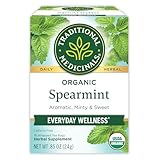
- Spearmint Tea: Research indicates that spearmint tea can lower androgen levels and improve hormonal acne in women. Drinking 1-2 cups daily may yield beneficial effects.
- Licorice Root: Licorice root has anti-inflammatory properties and may help reduce acne lesions. It can be taken as a supplement or used topically.
“Herbal remedies can be effective in managing hormonal fluctuations that lead to acne.” – NIH
3. Stress Management
Stress is a significant contributor to hormonal imbalances. When you are stressed, your body produces cortisol, which can lead to increased oil production and subsequent acne. Here are some effective stress management techniques:
- Mindfulness Meditation: Practicing mindfulness can help reduce stress levels significantly.
- Yoga: Regular yoga practice promotes relaxation and can help regulate hormonal levels.
- Exercise: Engaging in physical activity not only improves mood but also helps balance hormones. For more on how exercise can benefit your health, check out our article on exercise.
4. Essential Oils
Essential oils can also be beneficial for treating hormonal acne. Some oils possess antibacterial and anti-inflammatory properties that can help manage breakouts:
- Tea Tree Oil: Known for its antimicrobial properties, tea tree oil can be effective in reducing acne lesions when diluted with a carrier oil.
- Lavender Oil: Lavender oil has calming effects and may help reduce stress-related acne.
Always perform a patch test before applying essential oils to your skin to avoid adverse reactions.
5. Probiotics
Emerging research suggests that probiotics may play a role in skin health by promoting a balanced gut microbiome. An imbalanced gut can lead to inflammation and hormonal fluctuations, exacerbating acne. Probiotic-rich foods include:
- Yogurt
- Kefir
- Fermented vegetables
A study published in the Journal of Dermatological Science indicated that probiotics could improve acne severity by reducing inflammation.
6. Skincare Routine
Implementing a consistent skincare routine is vital for managing hormonal acne. Here are some tips for an effective routine:
- Gentle Cleansing: Use a gentle cleanser to avoid stripping your skin of natural oils, which can trigger more oil production.
- Non-Comedogenic Products: Choose skincare products labeled as non-comedogenic to prevent clogging pores.
- Moisturizing: Even oily skin needs moisture; opt for lightweight, oil-free moisturizers.
Counterarguments and What Most People Get Wrong
While natural remedies can be effective, some individuals may expect immediate results. It is essential to understand that hormonal acne treatment requires time and consistency. Additionally, relying solely on natural remedies without addressing underlying hormonal issues may not yield the desired results.
Many individuals also overlook the importance of a holistic approach, which includes diet, exercise, and mental health. For instance, someone might focus solely on topical treatments while neglecting the stress management aspect, which is crucial for hormonal balance.
“A comprehensive approach that incorporates lifestyle changes is often more effective than isolated treatments.” – NIH
Recipe: Hormonal Acne-Soothing Face Mask
To complement your natural remedies, try this simple DIY face mask that combines anti-inflammatory and soothing ingredients:
- Ingredients:
- 1 tablespoon honey
- 1 tablespoon plain yogurt
- 1 teaspoon turmeric powder
- Instructions:
- Mix all ingredients in a bowl until well combined.
- Apply the mixture to your clean face, avoiding the eye area.
- Leave it on for 15-20 minutes, then rinse with lukewarm water.
Use this mask 1-2 times a week to help soothe and nourish your skin.
Conclusion
Natural remedies for hormonal acne can be effective when approached holistically. By making dietary changes, managing stress, using herbal remedies, and maintaining a proper skincare routine, many individuals can find relief from hormonal acne. However, it is vital to remember that patience and consistency are key. While natural treatments offer promise, they should be part of a comprehensive strategy that includes lifestyle modifications. For more insights on health and wellness, visit our articles on nutrition and wellness.
These are for informational purposes only. Consult your doctor and do your own research before use.
References
Eat daily, sleep daily, exercise daily.