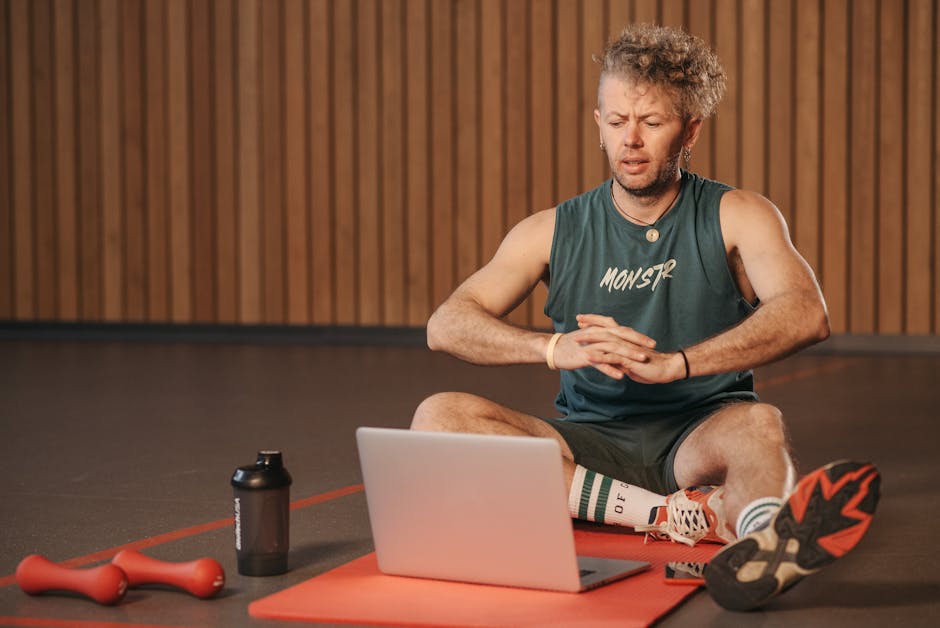
Exercise Daily _ Sitting Too Much Symptoms
Believing that sitting is merely a benign aspect of modern life is a dangerous misconception that can lead to serious health repercussions. While many promote the idea that as long as you hit the gym a few times a week, you can offset the effects of prolonged sitting, the truth is far more insidious. The reality is that sedentary behavior, defined as any waking behavior characterized by low energy expenditure while sitting or reclining, is a significant risk factor for various health issues, independent of physical activity levels. Research shows that the average adult spends over 10 hours a day sitting, which can lead to alarming health consequences.
Who This Is For
- Beginners looking to understand the impact of their daily habits on overall health.
- Athletes who want to optimize performance and recovery by addressing sedentary behaviors.
- Busy adults juggling work and family life, often finding themselves sitting for extended periods.
- Parents managing childcare while struggling to maintain an active lifestyle.
- Individuals who are overweight or recovering from injuries, seeking to improve their physical well-being.
What Most People Get Wrong





As an Amazon Associate, Exercise Daily earns from qualifying purchases. This post may contain affiliate links. Last updated: October 10, 2026
One of the most common misconceptions is that exercise can completely counteract the negative effects of sitting too much. While physical activity is essential, it does not negate the harm caused by prolonged periods of inactivity. Research indicates that even those who engage in regular exercise may still be at risk if they spend excessive time sitting throughout the day. A study published in the American Journal of Preventive Medicine found that individuals who sat for more than eight hours a day had a significantly higher risk of mortality, regardless of their exercise habits. This highlights the importance of not only exercising but also being mindful of overall sitting time.
Moreover, many people fail to recognize the subtle symptoms that arise from excessive sitting. These symptoms can often be dismissed as mere discomfort or fatigue, yet they can have profound implications on overall health. Common signs include:
Explore more in our Exercise section.
- Chronic back pain
- Poor posture
- Increased fatigue
- Reduced concentration and productivity
- Weight gain or difficulty maintaining a healthy weight
Each of these symptoms can contribute to a cycle of inactivity, leading to further complications. For instance, poor posture resulting from long hours of sitting can lead to musculoskeletal disorders, which may require medical intervention. Similarly, weight gain associated with inactivity can result in a higher likelihood of developing metabolic syndrome, a cluster of conditions that increase the risk of heart disease and diabetes.
Why This Actually Works
Understanding the physiological mechanisms behind the symptoms of sitting too much can empower individuals to take proactive steps toward better health. Prolonged sitting leads to muscle atrophy, particularly in the glutes and core, which can result in poor posture and back pain. The body also experiences a decrease in insulin sensitivity, which can contribute to weight gain and increase the risk of type 2 diabetes. According to the World Health Organization, sedentary lifestyles are linked to increased risk for several chronic diseases, including cardiovascular disease and certain cancers.
Additionally, sitting too much has a direct impact on mental health. Research from the National Institutes of Health indicates that excessive sedentary behavior is linked to increased feelings of anxiety and depression. This is likely due to a combination of physical discomfort, social isolation, and the impact of inactivity on brain health. For example, the lack of movement can disrupt the natural production of endorphins, commonly known as “feel-good” hormones, which are essential for mood regulation.
Explore more in our Fitness section.
Real-World Implications
Consider the busy office worker who spends eight hours a day at a desk. Despite hitting the gym after work, they remain seated for the majority of their waking hours. This individual may experience persistent lower back pain, reduced productivity, and even weight gain over time. Alternatively, a stay-at-home parent may find themselves sitting extensively while supervising children. These patterns can lead to a cycle of discomfort and reduced activity levels, further exacerbating the issue. The implications of prolonged sitting extend beyond immediate discomfort; they can lead to chronic health conditions that require long-term management and treatment.
Moreover, the impact of sitting is not limited to physical health. Many individuals report that excessive sitting negatively affects their mental clarity and emotional well-being. The lack of physical activity can lead to feelings of lethargy and dissatisfaction, which can impact relationships and overall quality of life. It is crucial to recognize that breaking the cycle of sedentary behavior can have far-reaching benefits, enhancing both physical and mental health.
Practical Strategies to Combat Sitting Too Much
To break the cycle of sedentary behavior, it is essential to implement practical strategies into daily routines. Here are several evidence-based tactics:
Explore more in our Nutrition section.
- Set a Timer: Use a timer to remind yourself to stand up and move every 30-60 minutes. Simple actions like stretching or walking around can significantly reduce the negative effects of prolonged sitting. Incorporating these small breaks can also help refresh your mind, making you more productive upon returning to your tasks.
- Incorporate Standing Desks: If feasible, consider using a standing desk or a convertible desk that allows you to alternate between sitting and standing. Research shows that standing while working can improve energy levels and productivity. Standing desks can also encourage better posture and reduce the risk of back pain.
- Active Breaks: During breaks, engage in short bursts of activity such as brisk walking, bodyweight exercises, or even dancing. These can elevate mood and enhance overall well-being. Activities like stretching or yoga can also help alleviate tension built up from sitting.
- Walk and Talk: If you have phone calls or meetings that don’t require a computer, take them while walking. This can help incorporate movement into your day without sacrificing productivity. Consider scheduling walking meetings with colleagues, which can also foster collaboration in a more relaxed environment.
- Incorporate Movement into Daily Routines: Look for opportunities to add movement to your day. For example, take the stairs instead of the elevator, park further away from your destination, or do household chores that require physical activity. Each small change can accumulate, contributing to a more active lifestyle.
Frequently Asked Questions
1. How can I tell if I’m sitting too much?
Signs of excessive sitting include chronic back pain, poor posture, fatigue, and decreased concentration. Keeping a log of your daily sitting time can help identify patterns and areas for improvement. Additionally, pay attention to how you feel after prolonged sitting; if you notice increased discomfort or fatigue, it’s a signal to reassess your sitting habits.
2. What are the long-term effects of sitting too much?
Long-term effects include increased risk of chronic diseases such as obesity, diabetes, cardiovascular disease, and certain types of cancer, as well as mental health issues like anxiety and depression. Furthermore, prolonged sitting can lead to musculoskeletal disorders and decreased mobility, which can severely impact quality of life as one ages.
3. Can I offset sitting time with exercise?
While regular exercise is vital for health, it does not completely counteract the risks associated with prolonged sitting. It’s crucial to incorporate movement throughout the day, not just during workouts. Ideally, a combination of regular exercise and reduced sitting time is the best approach to maintaining overall health and well-being.
Conclusion
Understanding the symptoms of sitting too much is the first step in combating the negative effects of a sedentary lifestyle. By challenging the myth that exercise alone can offset the dangers of prolonged sitting, individuals can adopt more holistic approaches to health. Implementing practical strategies to reduce sitting time can lead to improved physical and mental well-being. Remember, every small step counts. So, get up, move, and reclaim your health!
- References
- American Journal of Preventive Medicine
- World Health Organization
- National Institutes of Health
Eat daily, sleep daily, exercise daily.
These are for informational purposes only. Consult your doctor and do your own research before use.