
Yoga Stretches For Stress Relief | Exercise Daily
Yoga stretches for stress relief are not just about flexibility; they are a powerful tool for mental well-being. Many believe that stress relief solely comes from meditation or deep breathing, neglecting the significant impact that physical movement has on our mental state. Integrating yoga stretches into your routine can create a profound shift in how you handle stress and anxiety. This article will explore various yoga stretches that can help alleviate stress, providing you with practical tips and insights to enhance your overall mental health. For more help, see our exercise training guides.
Who This Is For
- Beginners looking for an accessible way to relieve stress.
- Busy adults who need quick, effective ways to unwind.
- Parents seeking moments of calm amidst their hectic schedules.
- Individuals recovering from injuries who want gentle movement.
- Athletes aiming to enhance recovery and mental focus.
What Most People Get Wrong
A common misconception is that yoga is only for the flexible or those with prior experience. Many think they need to master complex poses before reaping any benefits. However, yoga is about listening to your body and finding what feels right for you. Even simple stretches can provide significant stress relief. Yoga is inclusive and adaptable, making it suitable for people of all shapes, sizes, and fitness levels. For more help, see our exercise training guides.
Another mistake is assuming that yoga requires a lot of time. In reality, even a short session can be effective. Just a few minutes of targeted stretching can help release tension and promote relaxation. The key is consistency; incorporating short sessions into your daily routine can yield cumulative benefits over time. For more help, see our exercise training guides.
Why This Actually Works
The effectiveness of yoga stretches for stress relief lies in their ability to engage both the body and mind. Research shows that yoga can decrease levels of the stress hormone cortisol and enhance mood through the release of endorphins (source: NIH). These biochemical changes can lead to an improved outlook and a greater sense of well-being. Furthermore, yoga promotes physical relaxation, which can counteract the physical symptoms of stress, such as muscle tension and elevated heart rate.
Additionally, the focus on breath during yoga helps calm the nervous system, promoting a sense of peace. Controlled breathing techniques, often used in conjunction with yoga stretches, can activate the parasympathetic nervous system, which is responsible for the body’s rest-and-digest functions. This physiological response can significantly reduce feelings of anxiety and stress, leading to a more balanced emotional state.
Yoga also encourages mindfulness, which is crucial in managing stress. By concentrating on the present moment and your body’s sensations, you can break the cycle of negative thoughts that often accompany stress (source: PubMed). This practice of mindfulness allows you to observe your thoughts and emotions without judgment, creating space for greater emotional resilience.
Mistakes to Avoid


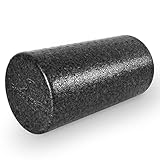


As an Amazon Associate, Exercise Daily earns from qualifying purchases. This post may contain affiliate links. Last updated: October 9, 2026
When practicing yoga stretches for stress relief, avoid pushing yourself into discomfort. Yoga is not about achieving perfect poses; it’s about finding comfort in the stretch. Listen to your body and modify poses as needed. If a particular stretch doesn’t feel right, it’s perfectly acceptable to skip it or adjust your position to something more comfortable.
Additionally, don’t rush through your practice. Take time to breathe deeply and connect with each movement. This will enhance your relaxation and stress relief. Consider setting aside a dedicated time for your practice, even if it’s just a few minutes, to create a routine that reinforces the habit of self-care.
Yoga Stretches for Stress Relief
Here are some effective yoga stretches that can help alleviate stress:
| Exercise | Target Muscle | Sets | Duration | Difficulty | Safety Cue |
|---|---|---|---|---|---|
| Child’s Pose | Back, hips | 1 | 1-3 minutes | Easy | Keep knees wide for comfort |
| Cat-Cow Stretch | Spine | 1 | 1-2 minutes | Easy | Move slowly with breath |
| Forward Bend | Hamstrings, back | 1 | 1-2 minutes | Moderate | Bend knees slightly if needed |
| Seated Forward Bend | Hamstrings, back | 1 | 1-2 minutes | Moderate | Keep spine long as you fold |
| Legs Up the Wall | Legs, back | 1 | 5-10 minutes | Easy | Ensure lower back is supported |
Beginner Tips
If you’re new to yoga, start with short sessions. Even 5-10 minutes can be beneficial. Focus on your breath and try to clear your mind as you stretch. It’s okay to modify poses to suit your comfort level. For beginners, it may help to practice in front of a mirror or follow along with online videos that guide you through each stretch.
Additionally, consider using props such as yoga blocks or cushions to support your body in various poses. These tools can make your practice more accessible and comfortable, allowing you to focus on relaxation rather than struggle with challenging positions.
Advanced Tips
For those with more experience, consider integrating deeper stretches or holding poses longer to enhance your practice. You can also explore meditation techniques alongside your stretches for even greater stress relief. Advanced practitioners might benefit from incorporating breathwork (pranayama) to further calm the mind and body. Techniques such as alternate nostril breathing or box breathing can complement your physical practice and deepen your relaxation.
Furthermore, exploring different styles of yoga, such as Yin or Restorative yoga, can provide a more profound sense of relaxation and stress relief. These styles often focus on longer-held poses and deep breathing, making them particularly effective for unwinding.
Real-World Application
Imagine a busy day filled with meetings and responsibilities. Taking just five minutes for a Child’s Pose or a Cat-Cow stretch can reset your mind and reduce tension. Many people find that incorporating these stretches into their daily routine helps them handle stress more effectively. It can be beneficial to set reminders throughout the day to take a brief pause for stretching, particularly during long periods of sitting or working.
For example, a busy parent might take a moment to do some Forward Bends while waiting for dinner to cook, turning a mundane moment into a mini-stress relief session. By finding small pockets of time for yoga stretches throughout the day, you can cultivate a habit that promotes mental clarity and emotional balance.
Another practical application is to create a designated space in your home for your yoga practice. This space should be peaceful and inviting, free from distractions, allowing you to fully immerse yourself in your stretches and relaxation techniques. Consider adding elements like candles, essential oils, or calming music to enhance your experience.
Frequently Asked Questions
1. How often should I practice yoga stretches for stress relief?
Aim for at least 3-4 times a week. Even daily practice can be beneficial. Consistency is key; the more regularly you practice, the more you will notice the positive effects on your stress levels.
2. Do I need special equipment?
No special equipment is required, but a yoga mat can provide comfort and stability. If you have props like blocks, straps, or blankets, they can also enhance your practice, but they are not essential.
3. Can yoga help with anxiety as well as stress?
Yes, many studies indicate that yoga can help reduce both stress and anxiety levels. The combination of physical movement, breath control, and mindfulness makes yoga an effective tool for managing anxiety symptoms.
4. What if I can’t do certain poses?
Listen to your body and modify poses as needed. There are always alternatives. It’s important to remember that yoga is a personal practice, and there is no right or wrong way to do it; what matters is how you feel in each position.
5. Is yoga suitable for everyone?
Most people can benefit from yoga, but consult a healthcare provider if you have specific health concerns. Yoga can often be adapted to accommodate various physical limitations, making it accessible to a wide range of individuals.
Practical Tip
To maximize your yoga practice, set a consistent time each day for your stretches. Even a short routine can significantly improve your stress levels. Try keeping a journal of your feelings before and after your practice to track your progress. This reflection can help you identify patterns in your stress levels and the effectiveness of your yoga practice over time.
Additionally, consider pairing your yoga practice with other self-care activities, such as healthy eating or adequate sleep, to create a holistic approach to managing stress. Integrating yoga with other healthy habits can lead to a more balanced lifestyle and enhanced overall well-being.
- References
- NIH Study on Yoga and Stress
- PubMed on Yoga’s Effects
- WHO Mental Health Response
- ACSM Resource Library
Incorporating yoga stretches for stress relief into your daily routine can transform your mental health. Remember, it’s not about perfection; it’s about progress. Each stretch brings you one step closer to a more relaxed state of mind. Embrace the journey of self-discovery and healing that yoga offers, and enjoy the many benefits that come from dedicating time to your well-being.
Eat daily, sleep daily, exercise daily.