

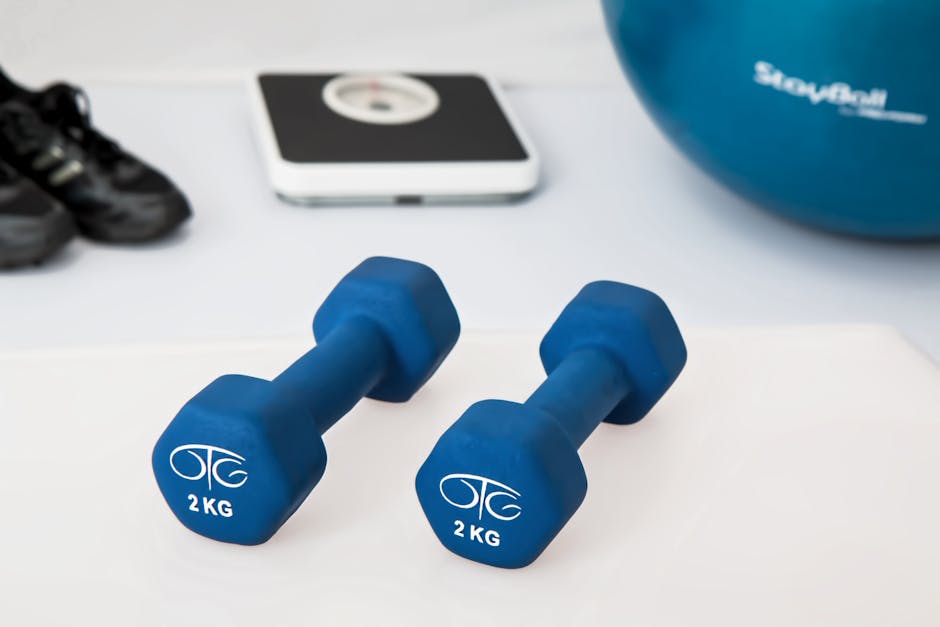
Exercise Daily _ Youth Conditioning Exercises At Home
In recent years, the conversation surrounding youth conditioning exercises at home has gained significant traction. As parents and guardians seek to ensure their children maintain a healthy lifestyle, the debate surrounding the efficacy and safety of home-based conditioning exercises has intensified. This article aims to explore the benefits, drawbacks, and misconceptions about youth conditioning exercises at home, providing a comprehensive overview backed by scientific evidence.
Explore more in our Natural Remedies section.
Explore more in our Wellness section.
Explore more in our Nutrition section.
The Importance of Youth Conditioning
Youth conditioning refers to structured physical activities designed to enhance various aspects of fitness, including strength, endurance, flexibility, and coordination. According to the World Health Organization (WHO), children and adolescents should engage in at least 60 minutes of moderate to vigorous physical activity daily. However, with the rise of sedentary lifestyles and increased screen time, achieving this goal can be challenging. This is where home-based conditioning exercises can play a pivotal role.
Benefits of Home-Based Conditioning Exercises
Home conditioning programs offer several advantages:
- Accessibility: Home exercises eliminate the need for a gym membership or travel time, making them accessible to everyone.
- Cost-Effective: Many home workouts require little to no equipment, significantly reducing costs associated with fitness.
- Flexibility: Youth can exercise at their own pace and schedule, fostering a sense of autonomy and responsibility.
- Safe Environment: Exercising at home can reduce the anxiety some youth feel about working out in public or unfamiliar settings.
Common Misconceptions About Youth Conditioning


As an Amazon Associate, Exercise Daily earns from qualifying purchases. This post may contain affiliate links. Last updated: March 24, 2026
Despite the benefits, several misconceptions persist regarding youth conditioning exercises at home. Addressing these misunderstandings is crucial for promoting effective and safe practices.
1. “Home Exercises Are Not as Effective as Gym Workouts”
This belief is widespread but fundamentally flawed. Research demonstrates that bodyweight exercises, which are often utilized in home workouts, can be just as effective as gym-based exercises in improving strength and fitness levels. A study published in the Journal of Strength and Conditioning Research highlights that bodyweight training can enhance muscle strength and endurance in adolescents, making it a viable alternative to traditional gym workouts.
2. “Youth Should Avoid Resistance Training”
Another common myth is that resistance training can be harmful to youth. However, the National Institutes of Health (NIH) asserts that, when done correctly, resistance training can improve strength, bone density, and overall athletic performance in children and adolescents. Proper technique and supervision are essential, but dismissing resistance training altogether is misguided.
3. “All Home Workouts Are the Same”
Not all home workouts are created equal. The effectiveness of a conditioning program depends on factors such as exercise selection, intensity, and progression. A well-structured program tailored to the youth’s individual needs will yield better results than generic routines available online. Parents should prioritize programs designed by certified professionals to ensure safety and effectiveness.
Structuring Youth Conditioning Exercises at Home
To maximize the benefits of home-based conditioning exercises, it is essential to structure workouts effectively. Here’s how to design a balanced routine:
1. Warm-Up
A proper warm-up is crucial to prepare the body for exercise and reduce the risk of injury. A warm-up should last at least 5-10 minutes and include dynamic stretches and light cardiovascular activities. Examples include:
- Jumping jacks
- Arm circles
- High knees
2. Strength Training
Incorporating strength training into home workouts is vital for building muscle and improving overall fitness. Here are some effective bodyweight exercises:
- Push-Ups: Great for upper body strength.
- Squats: Excellent for lower body development.
- Planks: Effective for core stability.
3. Cardiovascular Conditioning
Cardiovascular exercises enhance endurance and overall fitness. Youth can engage in activities such as:
- Burpees
- Jump rope
- Dancing
4. Flexibility and Cool Down
After a workout, it’s essential to cool down and stretch to enhance flexibility and aid recovery. Include static stretches for major muscle groups, holding each stretch for 15-30 seconds.
Safety Considerations
While home conditioning exercises can be beneficial, safety should always be a priority. Here are key considerations:
- Supervision: Younger children should be supervised during workouts to ensure proper technique and prevent injuries.
- Progression: Gradually increase the intensity and complexity of exercises to avoid overexertion.
- Listen to the Body: Encourage youth to pay attention to their bodies and stop if they feel pain or discomfort.
Counterarguments: The Drawbacks of Home Conditioning
While there are numerous benefits to youth conditioning exercises at home, some argue against this approach. Here are the primary counterarguments:
1. Lack of Professional Guidance
One of the significant drawbacks of home workouts is the absence of professional supervision. Without guidance, youth may perform exercises incorrectly, resulting in injuries. To mitigate this risk, parents should consider enrolling their children in virtual classes led by certified trainers or using reputable online resources.
2. Limited Variety and Motivation
Home workouts can become monotonous, leading to decreased motivation. Many youth thrive in social environments, and the lack of peer interaction can diminish their enthusiasm for exercise. Parents can combat this by encouraging group workouts with friends or family members, making fitness a fun, social activity.
3. Distractions at Home
Home environments often present numerous distractions, including electronic devices, chores, or siblings. It is crucial to create a designated workout space free from distractions to foster focus and commitment to the exercise routine.
Conclusion: The Future of Youth Conditioning Exercises at Home
In conclusion, youth conditioning exercises at home offer a plethora of benefits, including accessibility, cost-effectiveness, and safety. While misconceptions and counterarguments exist, the evidence supports the effectiveness of home-based workouts when structured properly. By prioritizing safety and incorporating a variety of exercises, parents can help their children develop healthy habits that last a lifetime.
As we move forward, it is essential to foster a balanced approach to fitness that combines home conditioning with other forms of physical activity, ensuring that youth can thrive in a world increasingly dominated by sedentary behaviors.
For more insights on exercise, fitness, and wellness, explore our extensive resources at Exercise Daily and Fitness.
“The best way to predict the future is to create it.” – Peter Drucker
Healthy Youth Snack Recipe: Energy Bites
These energy bites are a great pre-workout snack for youth, providing the necessary fuel for their conditioning exercises:
Ingredients:
- 1 cup rolled oats
- 1/2 cup almond butter
- 1/3 cup honey
- 1/2 cup chocolate chips
- 1/4 cup chia seeds
Instructions:
- In a large bowl, mix all the ingredients until well combined.
- Refrigerate the mixture for about 30 minutes.
- Once chilled, roll the mixture into small balls.
- Store in an airtight container in the refrigerator for up to one week.
These energy bites are not only nutritious but also easy to prepare, making them an excellent choice for busy families.
References
- World Health Organization (WHO)
- Journal of Strength and Conditioning Research
- National Institutes of Health (NIH)
These are for informational purposes only. Consult your doctor and do your own research before use.
Eat daily, sleep daily, exercise daily.