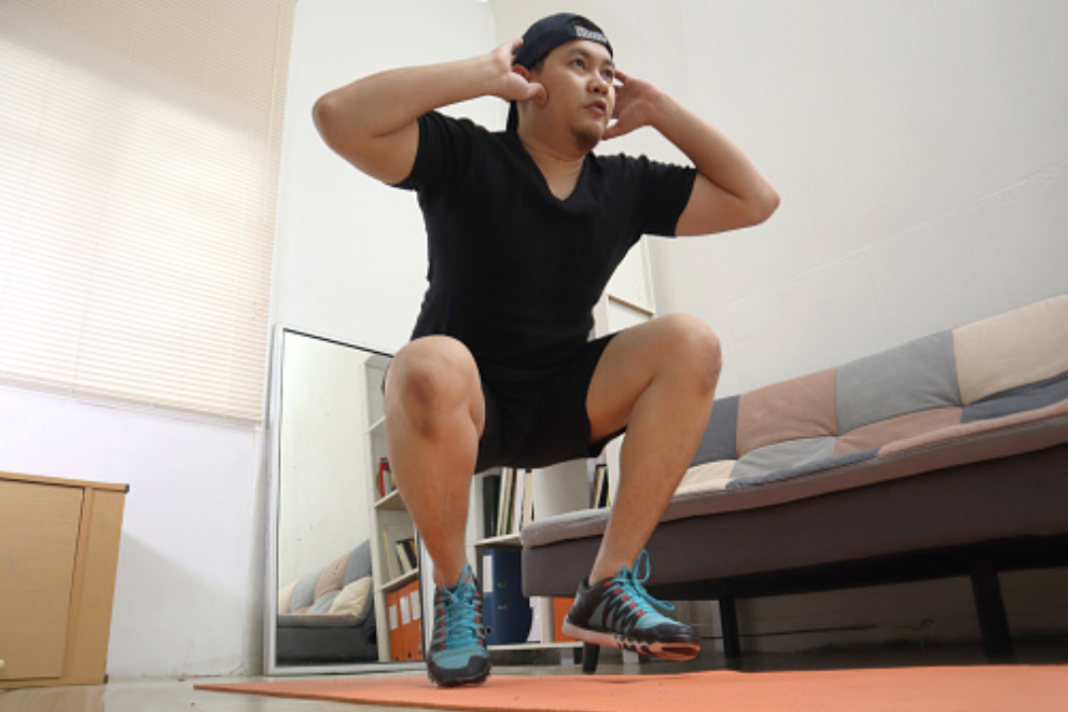
Exercise Daily _ Stretches To Prevent Winter Joint Stiffness
As winter approaches, many individuals experience a common yet often overlooked issue: joint stiffness. The cold weather can exacerbate joint pain and discomfort, leading to a sedentary lifestyle that further aggravates the problem. However, incorporating specific stretches into your routine can help mitigate these effects and maintain joint mobility. In this article, we will explore effective stretches designed to prevent winter joint stiffness, address common misconceptions, and provide evidence-based recommendations to keep your joints healthy during the colder months.
The Science Behind Winter Joint Stiffness
Understanding why joints become stiff in winter is crucial. Cold temperatures can lead to decreased blood flow, which may cause muscles and joints to tighten. Additionally, the lack of physical activity during winter can contribute to reduced flexibility and increased stiffness. According to a study published in the Journal of Rheumatology, individuals with pre-existing joint issues are particularly susceptible to the cold, exacerbating their symptoms (Gatchel et al., 2015).
Common Misconceptions About Joint Stiffness
Before diving into specific stretches, it’s essential to clarify some misconceptions surrounding winter joint stiffness:
- Myth 1: Cold weather is the sole cause of joint pain.
- Myth 2: Stretching is only beneficial before exercise.
- Myth 3: Joint stiffness is inevitable with age.
While cold weather can intensify discomfort, factors such as inactivity, diet, and overall health play significant roles. Regular stretching, regardless of physical activity, is vital for maintaining joint flexibility and preventing stiffness.
Essential Stretches for Preventing Joint Stiffness






Incorporating a routine of stretches can significantly alleviate winter joint stiffness. Below are several stretches that target major joints and muscle groups.
1. Neck Stretch
This stretch helps relieve tension in the neck and shoulders, areas often affected by cold weather.
- Stand or sit comfortably with your back straight.
- Slowly tilt your head to the right, bringing your ear towards your shoulder.
- Hold for 15-30 seconds, feeling the stretch along the left side of your neck.
- Return to the starting position and repeat on the left side.
2. Shoulder Rolls
Shoulder rolls can help improve flexibility and reduce tension in the shoulder joints.
- Stand or sit with your arms relaxed at your sides.
- Slowly roll your shoulders forward in a circular motion for 10 repetitions.
- Then, roll your shoulders backward for another 10 repetitions.
3. Wrist Flexor Stretch
This stretch is particularly beneficial for those who spend long hours typing or using handheld devices.
- Extend one arm in front of you, palm facing up.
- With the opposite hand, gently pull back on the fingers of the extended hand.
- Hold for 15-30 seconds and switch sides.
4. Hip Flexor Stretch
Keeping your hips flexible is essential for overall mobility.
- Start in a lunge position with one foot forward and the other leg extended behind you.
- Keep your back straight and push your hips forward gently.
- Hold for 15-30 seconds, feeling the stretch in your hip flexor.
- Switch legs and repeat.
5. Quad Stretch
This stretch targets the quadriceps, crucial for knee stability.
- Stand on one leg and grab your opposite ankle behind you.
- Gently pull your ankle towards your glutes while keeping your knees together.
- Hold for 15-30 seconds and switch sides.
6. Seated Hamstring Stretch
A flexible hamstring can help alleviate pressure on the lower back and knees.
- Sit on the floor with one leg extended and the other bent, with the foot touching the inner thigh of the extended leg.
- Reach towards the toes of the extended leg, keeping your back straight.
- Hold for 15-30 seconds and switch legs.
Incorporating Stretches into Your Daily Routine
While these stretches are effective, they must be performed regularly to yield results. Here are some tips to incorporate stretching into your daily routine:
- Set a specific time each day dedicated to stretching—perhaps in the morning or before bed.
- Combine stretching with other forms of exercise, such as yoga or pilates, which emphasizes flexibility.
- Utilize resources from Exercise Daily to find additional exercises that promote joint health.
Counterarguments: Are Stretches Enough?
While stretches are beneficial, some argue that they alone may not suffice in preventing winter joint stiffness. Critics often point out that without strength training and aerobic activity, flexibility exercises may only provide temporary relief. They emphasize the importance of a well-rounded fitness program, including strength and cardiovascular exercises, to maintain overall joint health.
Indeed, a comprehensive approach, including fitness, nutrition, and wellness, is essential. Engaging in regular physical activity, maintaining a balanced diet, and staying hydrated are critical components that work synergistically to enhance joint health.
Nutrition’s Role in Joint Health
Nutrition is a vital aspect of joint health that should not be overlooked. Certain foods are known to reduce inflammation and support joint function. Incorporating foods rich in omega-3 fatty acids, antioxidants, and vitamins can significantly impact your joint health.
- Fatty Fish: Salmon, mackerel, and sardines are excellent sources of omega-3 fatty acids.
- Leafy Greens: Spinach and kale are loaded with antioxidants.
- Nuts and Seeds: Walnuts and flaxseeds provide healthy fats and protein.
For a delicious and nutritious addition to your diet, consider trying this Anti-Inflammatory Smoothie Recipe:

- 1 cup of spinach
- 1 banana
- 1 tablespoon of flaxseeds
- 1 cup of almond milk
- 1/2 cup of frozen berries
Blend all ingredients until smooth. This smoothie is packed with nutrients that can help fight inflammation and support joint health.
Conclusion: A Proactive Approach to Joint Health
Preventing winter joint stiffness is achievable through consistent stretching, proper nutrition, and a balanced exercise routine. While stretches are a crucial component, they should be part of a comprehensive approach to joint health. Addressing common misconceptions and incorporating a variety of strategies will help you maintain flexibility and mobility during the colder months.
Remember, these are for informational purposes only. Consult your doctor and do your own research before use. Prioritize your joint health this winter by integrating these stretches and dietary changes into your daily routine. Stay active and enjoy the season!
- Gatchel, R. J., et al. (2015). The biopsychosocial approach to chronic pain: Theory and practice. Journal of Rheumatology.
- Mayo Clinic. (2018). Arthritis and cold weather: What’s the connection?
- National Institute of Health. (2017). Effects of exercise on joint health: A systematic review.
- World Health Organization. (2020). Arthritis: Key facts.
Eat daily, sleep daily, exercise daily.