
Exercise Daily _ Beginner Meditation Routine At Home
Meditation has surged in popularity over the past few decades, often heralded as a panacea for modern life’s stressors. However, many beginners approach meditation with misconceptions that can hinder their practice. This article aims to present a structured beginner meditation routine at home while addressing common misunderstandings and providing evidence-based insights into the benefits and challenges of meditation.
Explore more in our Top 20 Viral Products section.
Explore more in our Natural Remedies section.
Explore more in our Nutrition section.
The Science Behind Meditation
Meditation is not merely a relaxation technique; it is a practice grounded in centuries of tradition that has garnered scientific attention. Studies have shown that regular meditation can lead to significant improvements in mental health, emotional regulation, and even physical health.
- A meta-analysis published in JAMA Internal Medicine found that mindfulness meditation programs can lead to moderate improvements in anxiety, depression, and pain.
- Research from the National Institutes of Health (NIH) indicates that meditation can enhance attention span and emotional resilience.
Despite this evidence, many beginners mistakenly believe that meditation is about emptying the mind or achieving a state of bliss. This misconception can lead to frustration and a sense of failure, causing individuals to abandon their practice prematurely. In reality, meditation is about observing thoughts without judgment and cultivating a sense of presence.
Common Misconceptions About Meditation


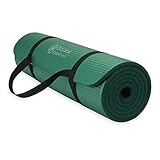

As an Amazon Associate, Exercise Daily earns from qualifying purchases. This post may contain affiliate links. Last updated: September 26, 2026
Before diving into a beginner meditation routine, it is essential to address some prevalent myths that can deter newcomers:
- Meditation Requires a Quiet Space: While a peaceful environment can enhance meditation, it is not a prerequisite. Beginners can start meditating in any space, even amidst background noise.
- You Must Sit Cross-Legged: The image of a person sitting cross-legged on a mat is a common stereotype. However, meditation can be practiced in any comfortable position, whether sitting in a chair or lying down.
- It’s All About Stopping Thoughts: Many believe that successful meditation means stopping thoughts entirely. In truth, the goal is to acknowledge thoughts and allow them to pass without engaging.
- Meditation is for the ‘Spiritual’: While meditation has roots in various spiritual traditions, it is not exclusively for the spiritually inclined. Many secular practitioners meditate for mental clarity and emotional balance.
Creating a Beginner Meditation Routine at Home
Now that we have dispelled some myths, let’s explore a structured beginner meditation routine that can be practiced at home. This routine is designed to accommodate the busy schedules of modern life while promoting mindfulness and relaxation.
Step 1: Set Your Intention
Before starting your meditation, take a moment to set an intention. This could be a simple statement such as, “I want to cultivate mindfulness” or “I seek calmness.” Setting an intention helps focus your practice and provides motivation.
Step 2: Find Your Space
Choose a spot in your home where you feel comfortable and relatively undisturbed. This could be a corner of your living room, your bedroom, or even your balcony. Ensure the space is clean and inviting.
Step 3: Choose Your Duration
For beginners, starting with just 5 to 10 minutes per day is advisable. As you become more comfortable, you can gradually increase the duration to 15 or 20 minutes. Consistency is more important than duration, especially in the beginning.
Step 4: Get Comfortable
Find a comfortable position. You can sit on a chair with your feet flat on the ground, sit cross-legged on a cushion, or lie down if that feels better. Ensure your back is straight, and your hands are resting comfortably on your knees or in your lap.
Step 5: Focus on Your Breath
Close your eyes gently and take a few deep breaths. Inhale through your nose, allowing your abdomen to expand, and exhale through your mouth. After a few deep breaths, allow your breathing to return to its natural rhythm. Focus your attention on the sensation of your breath entering and leaving your body.
Step 6: Acknowledge Your Thoughts
As you meditate, thoughts will inevitably arise. Instead of trying to suppress them, acknowledge their presence and gently guide your focus back to your breath. This process of returning to your breath is the essence of meditation.
Step 7: Conclude Your Session
When your timer goes off, take a moment to notice how you feel. Slowly open your eyes and take a few deep breaths before transitioning back to your day. Reflect on your experience, noting any challenges or insights.
Integrating Meditation into Your Daily Routine
To reap the full benefits of meditation, it is essential to integrate it into your daily routine. Here are some strategies to help you incorporate meditation into your life:
- Consistency is Key: Try to meditate at the same time each day, whether it’s in the morning, during lunch, or before bed. This consistency helps establish a habit.
- Use Guided Meditations: For beginners, guided meditations can be incredibly helpful. Numerous apps and online resources offer guided sessions tailored to different needs and experience levels.
- Pair Meditation with Another Activity: Consider pairing meditation with another daily activity, such as drinking your morning coffee or winding down before bed. This association can reinforce the habit.
- Join a Community: Engaging with a community of fellow meditators can provide motivation and support. Look for local meditation groups or online forums.
Addressing Challenges in Meditation
While meditation offers numerous benefits, beginners often encounter challenges that can discourage them. Here are some common obstacles and strategies to overcome them:
Distraction
Distraction is perhaps the most common challenge faced by beginners. It is vital to remember that distractions are a natural part of the process. When you find your mind wandering, gently redirect your attention back to your breath without judgment.
Restlessness
Many beginners experience restlessness, feeling that they cannot sit still for an extended period. If this occurs, consider starting with shorter sessions and gradually increasing the duration as your comfort level grows. You may also find that active forms of meditation, such as walking meditation, suit you better.
Frustration with Progress
It’s common for beginners to feel frustrated by their perceived lack of progress. Meditation is not a destination but a journey. Regular practice will lead to gradual improvements, so be patient with yourself.
Benefits of a Beginner Meditation Routine
Engaging in a beginner meditation routine at home can yield numerous benefits, including:
- Stress Reduction: Regular meditation practice has been shown to lower cortisol levels, the hormone associated with stress (source: PubMed).
- Improved Focus: Meditation can enhance attention and concentration, making it easier to complete tasks efficiently.
- Better Emotional Health: Studies indicate that meditation can improve overall emotional well-being and lead to a decrease in symptoms of anxiety and depression.
- Enhanced Self-Awareness: Meditation encourages self-reflection, allowing individuals to gain insights into their thoughts and behaviors.
Conclusion
A beginner meditation routine at home can be a transformative experience, fostering mindfulness and emotional resilience. By dispelling common misconceptions and following a structured approach, anyone can embark on a meditation journey. Remember, the key to success lies in consistency and patience. Don’t let distractions or frustrations deter you—embrace the process and enjoy the benefits that meditation has to offer.
For more insights on health, fitness, and wellness, explore our categories on exercise, fitness, and wellness.
These are for informational purposes only. Consult your doctor and do your own research before use.
Eat daily, sleep daily, exercise daily.