Top 5 This Week

Related Posts

Full Body Dumbbell Workout For Beginners-Exercise Daily

Exercise Daily _ Full Body Dumbbell Workout For Beginners

Many beginners believe that lifting heavy weights is the only way to build muscle and strength, but that’s simply not true. A full body dumbbell workout for beginners can be just as effective, if not more so, when done correctly. Dumbbells are versatile, and they help in building foundational strength while also improving coordination and stability. Whether you’re new to fitness or returning after a break, this guide will help you navigate your workout journey effectively.

Who This Is For

  • Beginners looking to start a strength training routine.
  • Busy adults needing an efficient workout that can be done at home.
  • Parents who want to incorporate fitness into their daily lives.
  • Individuals recovering from injuries who need to build strength gradually.
  • Gym-goers wanting to supplement their routine with effective dumbbell exercises.

What Most People Get Wrong

One of the biggest misconceptions about strength training is that you need to spend hours in the gym or lift extremely heavy weights to see results. Many beginners also skip the warm-up, thinking it’s unnecessary, which can lead to injuries. A proper warm-up prepares your muscles for the demands of the workout, increasing blood flow and reducing the risk of strains.

Additionally, some may focus solely on isolation exercises (targeting one muscle group) instead of incorporating compound movements that work multiple muscles at once. Compound exercises are essential for building overall strength and functional fitness, as they mimic daily activities.

Explore more in our Exercise section.

Another common mistake is neglecting proper form. It’s crucial to prioritize technique over the amount of weight being lifted. This not only maximizes the effectiveness of the exercises but also minimizes the risk of injury. Remember, it’s better to lift lighter weights with proper form than to lift heavier weights improperly. Using improper form can lead to muscle imbalances and chronic pain over time.

Why This Actually Works

A full body dumbbell workout for beginners is effective because it engages multiple muscle groups, promoting balanced strength development. Dumbbells allow for a greater range of motion compared to machines, which can lead to better muscle activation. Furthermore, they require your stabilizing muscles to work harder, improving overall coordination and balance. This is particularly beneficial for beginners, as it sets a strong foundation for future strength training.

Research shows that strength training can enhance muscle mass, increase metabolism, and improve overall physical function (American College of Sports Medicine, 2021). By consistently incorporating dumbbell workouts into your routine, you can achieve sustainable progress and build a solid foundation for future fitness endeavors.

Explore more in our Fitness section.

Moreover, dumbbell workouts can also enhance your cardiovascular health when performed with minimal rest between sets. This aspect can help beginners not only gain strength but also improve their overall fitness levels.

Mistakes to Avoid

  • Skipping Warm-Ups: Always start with a 5-10 minute warm-up to prepare your muscles and joints. Consider dynamic stretches or light cardio to increase your heart rate.
  • Overloading Weights: Choose a weight that allows you to maintain good form throughout each set. If you struggle to complete the reps with proper form, reduce the weight.
  • Ignoring Recovery: Allow muscle groups to recover by not training the same muscles on consecutive days. Recovery is vital for muscle growth and injury prevention.
  • Neglecting Core Stability: Engage your core during exercises to protect your back and improve overall strength. A strong core stabilizes your body during movements, enhancing performance and safety.

Full Body Dumbbell Workout Routine

This beginner-friendly routine includes a mix of compound and isolation exercises to ensure a well-rounded workout. Aim to complete this routine 2-3 times a week, allowing rest days in between. Consistency is key to seeing progress, so make it a regular part of your routine.

Exercise Target Muscle Sets Reps Difficulty Safety Cue
Dumbbell Squats Legs, Glutes 3 10-12 Beginner Keep knees behind toes.
Dumbbell Bench Press Chest, Shoulders, Triceps 3 8-10 Beginner Don’t arch your back.
Dumbbell Bent-Over Rows Back, Biceps 3 10-12 Beginner Keep your back straight.
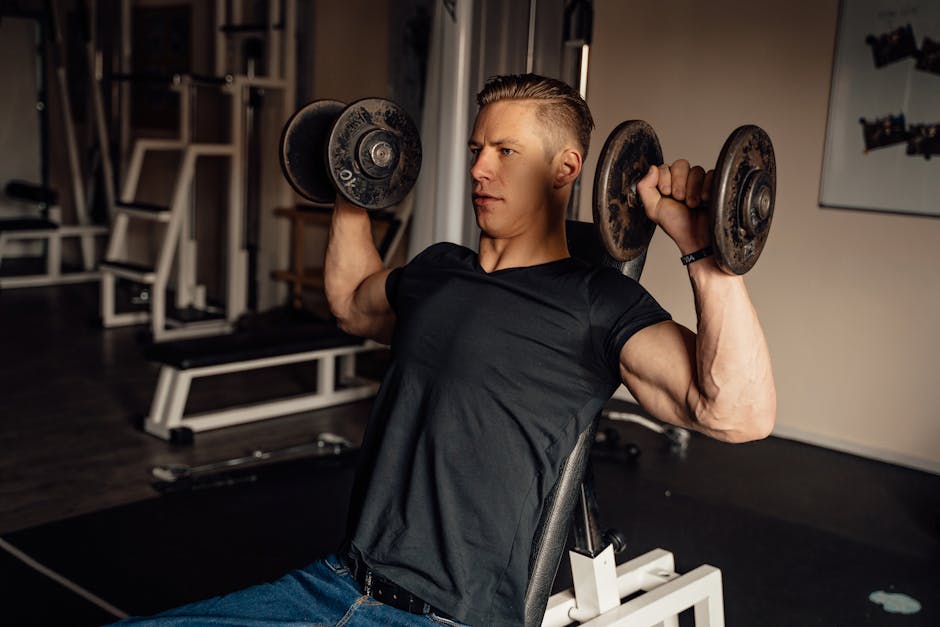
Dumbbell Overhead Press Shoulders, Triceps 3 8-10 Beginner Don’t lock elbows at the top.
Dumbbell Deadlifts Legs, Back 3 10-12 Beginner Keep weights close to your body.
Dumbbell Lunges Legs, Glutes 3 10-12 (each leg) Beginner Step far enough forward to keep the back knee off the ground.

Beginner Tips

  • Start with lighter weights to master your form before increasing the load. This approach allows you to focus on technique, which is critical for preventing injuries.
  • Focus on your breathing; exhale during the exertion phase of the lift. Proper breathing helps maintain core stability and maximizes performance.
  • Stay hydrated and listen to your body. If something feels off, stop and reassess. Recognizing signs of fatigue or discomfort is crucial for long-term success.

Advanced Tips

  • Once comfortable, consider increasing the weights gradually, focusing on progressive overload. This principle involves gradually increasing the weight, frequency, or number of repetitions in your strength training routine.
  • Incorporate supersets (performing two exercises back-to-back) to enhance intensity. This technique not only saves time but also increases the challenge of your workout.
  • Track your workouts to monitor progress and set new goals. Keeping a workout journal can help you stay motivated and accountable.

Frequently Asked Questions

1. How often should I do a full body dumbbell workout?

For beginners, aim for 2-3 times a week, allowing at least one day of rest between sessions to allow muscles to recover. This frequency is ideal for building strength without overtraining.

Explore more in our Nutrition section.

2. What weight should I start with?

Start with a weight that allows you to perform the exercises with good form while still feeling challenged. This is usually between 5-15 pounds for most beginners. It’s essential to find a weight that allows you to complete your sets while maintaining proper technique.

3. Can I do this workout at home?

Absolutely! One of the benefits of a full body dumbbell workout is that it can be done in the comfort of your own home with minimal equipment. All you need is a set of dumbbells and a flat surface to perform the exercises safely.

4. Should I warm up before starting the workout?

Yes, warming up is essential. A 5-10 minute warm-up, such as light cardio or dynamic stretches, prepares your body for the workout and reduces the risk of injury. Consider movements like arm circles, leg swings, and a few minutes of brisk walking to get your blood flowing.

5. How do I know if I’m using the right form?

Consider using a mirror or recording yourself during workouts to check your form. Alternatively, seek guidance from a certified trainer if possible. Feedback is invaluable, especially when starting, to ensure you are performing exercises correctly.

Extra Value: Quick Recovery Ideas

After your workout, focus on recovery to enhance muscle repair and growth. Here’s a simple routine:

  • Stretching: Spend 5-10 minutes stretching all major muscle groups. This not only helps in recovery but also improves flexibility over time.
  • Hydration: Drink plenty of water to replenish lost fluids. Staying hydrated is crucial for muscle recovery and overall health.
  • Protein Intake: Consume a protein-rich snack or meal within 30 minutes post-workout to aid recovery. Foods like Greek yogurt, a protein shake, or a chicken salad can be excellent choices.
    References
  • American College of Sports Medicine. (2021). Exercise Guidelines for Older Adults.
  • National Institutes of Health. (2018). Resistance Training for Health and Rehabilitation.
  • World Health Organization. (2020). Physical Activity.
  • PubMed. (2017). The Role of Strength Training for Health.
  • Eat daily, sleep daily, exercise daily.

    LEAVE A REPLY

    Please enter your comment!
    Please enter your name here

    19 − nineteen =

    Popular Articles