Walking Workouts For Busy Professionals | Exercise Daily
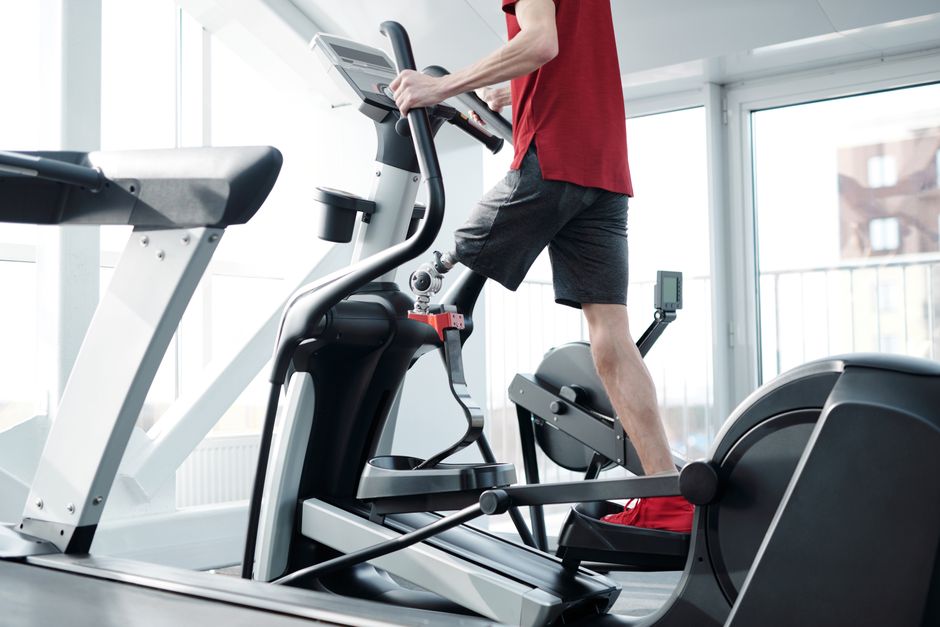
Many busy professionals believe that effective workouts require lengthy gym sessions or advanced equipment, but this couldn’t be further from the truth. Walking workouts for busy professionals can provide significant health benefits without consuming your entire day. This article will guide you through the essentials of incorporating walking into your daily routine, helping you stay fit even amidst a hectic schedule. For more help, see our exercise training guides.
Who This Is For
- Busy adults looking for efficient ways to stay active.
- Office workers who spend long hours sitting.
- Parents juggling family responsibilities and personal fitness.
- Individuals recovering from injuries who need low-impact workouts.
- Anyone seeking to incorporate more movement into their day without a gym membership.
What Most People Get Wrong


As an Amazon Associate, Exercise Daily earns from qualifying purchases. This post may contain affiliate links. Last updated: October 17, 2026
One of the biggest misconceptions about fitness is that it has to be intense or time-consuming to be effective. Many people think that if they can’t dedicate an hour to a workout, they shouldn’t bother at all. This belief leads to a cycle of inactivity, where individuals feel guilty for not exercising and subsequently avoid it altogether. In reality, short, consistent walking workouts can be just as beneficial as longer, more intense sessions. Research indicates that even brief periods of physical activity can yield health benefits, making walking an ideal exercise for those with limited time. For more help, see our exercise training guides.
Why This Actually Works
Walking is a natural, low-impact exercise that anyone can do, regardless of fitness level. Research has shown that regular walking can: For more help, see our exercise training guides.
- Improve cardiovascular health, reducing the risk of heart disease (American Heart Association).
- Boost mood and reduce stress, thanks to the release of endorphins (NIH).
- Support weight management and fat loss, especially when combined with dietary changes (CDC).
- Enhance cognitive function and productivity, making you more efficient at work (PubMed).
By integrating walking into your daily routine, you can achieve these benefits without needing to set aside large blocks of time. Studies suggest that even walking for just 10-15 minutes at a time can significantly contribute to your overall health. This makes walking an accessible and practical option for busy professionals who may struggle to find time for more traditional forms of exercise.
Mistakes to Avoid
To maximize the effectiveness of your walking workouts, avoid these common pitfalls:
- Skipping Warm-ups: Always take a few minutes to stretch your legs and warm up your muscles before starting. This helps prevent injury. Simple stretches like calf raises or leg swings can prepare your body for the workout ahead.
- Poor Posture: Pay attention to your posture while walking. Keep your back straight, shoulders relaxed, and arms at a comfortable angle. This not only helps prevent strain but also allows for better breathing and oxygen intake.
- Inconsistent Pace: While leisurely walks are great, aim for a brisk pace to elevate your heart rate and maximize benefits. Finding a walking buddy or listening to upbeat music can help maintain a consistent pace.
- Ignoring Footwear: Wear supportive shoes to avoid discomfort and injuries. Proper footwear can make a significant difference in your walking experience. Consider investing in shoes specifically designed for walking, which provide the necessary arch support and cushioning.
Walking Workouts: Practical Examples
Here are some practical walking workouts tailored for busy professionals:
1. The Power Walk
This 30-minute workout is designed to get your heart rate up. Aim for a pace of 4-5 miles per hour. This intensity is effective for cardiovascular health and calorie burning.
- Warm-up: 5 minutes at a leisurely pace to prepare your muscles.
- Power walk: 20 minutes at a brisk pace. Focus on maintaining a steady rhythm and breathing deeply.
- Cool down: 5 minutes at a leisurely pace to allow your heart rate to gradually return to normal.
2. Walking Meetings
Turn your next meeting into a walking session. Discuss ideas while walking around the office or outside. This not only keeps you active but can also foster creativity. Research has shown that walking can enhance brainstorming and problem-solving abilities, making it a win-win for productivity. Consider using a portable device for note-taking or brainstorming while you walk, ensuring that you capture ideas without losing momentum.
3. The Lunch Break Walk
Use part of your lunch break for a quick 15-minute walk. This can help you recharge for the afternoon. Walking after meals has been shown to aid digestion and stabilize blood sugar levels. If you have access to a park or a quiet area nearby, take advantage of the natural surroundings to enhance your experience.
| Workout Type | Duration | Intensity | Benefits |
|---|---|---|---|
| Power Walk | 30 minutes | High | Cardiovascular fitness, calorie burn |
| Walking Meetings | Variable | Moderate | Increased creativity, reduced stress |
| Lunch Break Walk | 15 minutes | Moderate | Boosted energy, improved focus |
Beginner Tips for Walking Workouts
- Start slow: If you’re new to walking for fitness, begin with shorter distances and gradually increase your pace and duration. Listen to your body and adjust accordingly.
- Track your steps: Use a pedometer or a smartphone app to monitor your daily steps. Aim for at least 10,000 steps a day, and challenge yourself to increase this goal over time.
- Stay hydrated: Drink water before and after your walks to keep your body hydrated. Consider carrying a small water bottle during longer walks, especially in warmer weather.
Advanced Tips for Walking Workouts
- Add intervals: Incorporate short bursts of faster walking for 1-2 minutes followed by a slower pace to boost cardiovascular fitness. This technique, known as interval training, can significantly enhance your walking workouts.
- Use weights: Carry light hand weights or wear a weighted vest to increase the intensity of your walk. This can help build muscle strength and improve overall endurance.
- Explore different terrains: Walking on hills or uneven ground can enhance muscle engagement and improve balance. Consider finding local trails or parks that offer varied landscapes for a more challenging workout.
Frequently Asked Questions
Can I lose weight by just walking?
Yes, walking can help you lose weight, especially when combined with dietary changes. Regular walking increases calorie expenditure, which can lead to weight loss over time. It’s important to combine this with a balanced diet for the best results.
How often should I walk for health benefits?
Aim for at least 150 minutes of moderate-intensity walking each week, spread across several days. This can be broken down into manageable sessions, such as 30 minutes five times a week, making it easier to fit into a busy schedule.
Is walking enough exercise for my overall fitness?
Walking is an excellent form of exercise that can contribute to overall fitness. However, it’s beneficial to incorporate strength training and flexibility exercises for a well-rounded fitness routine. Activities such as yoga or bodyweight exercises can complement your walking regimen.
What should I wear for walking workouts?
Wear comfortable, breathable clothing and supportive walking shoes to enhance your walking experience and prevent injuries. Look for moisture-wicking fabrics that will keep you dry and comfortable.
Can I walk indoors?
Absolutely! Walking indoors on a treadmill or around your home or office can be just as effective as outdoor walking. If you choose to walk indoors, consider using fitness videos or podcasts to keep you engaged during your workout.
How can I stay motivated to walk regularly?
Set goals, track your progress, and find a walking buddy to keep you accountable. Changing your walking route can also keep things interesting. Additionally, reward yourself for meeting your walking milestones to maintain motivation.
Extra Value: Quick Walking Workout Checklist
- Choose comfortable shoes that provide good support.
- Plan your walking route or schedule to ensure consistency.
- Set a timer or use a fitness app to track your time and steps.
- Incorporate stretches before and after your walk to enhance flexibility and prevent injuries.
Integrating walking workouts into your busy schedule is not just possible; it’s practical and effective. Remember, every step counts towards your health and well-being. So lace up your shoes, grab your water bottle, and start moving. Walking workouts for busy professionals are a simple yet powerful way to enhance your fitness and productivity. By making walking a regular part of your routine, you will not only improve your physical health but also enhance your mental clarity and overall quality of life.
- References
- American Heart Association
- National Institutes of Health (NIH)
- Centers for Disease Control and Prevention (CDC)
- PubMed
Eat daily, sleep daily, exercise daily.
These are for informational purposes only. Consult your doctor and do your own research before use.