Dumbbell Shoulder Exercises Without Bench | Exercise Daily
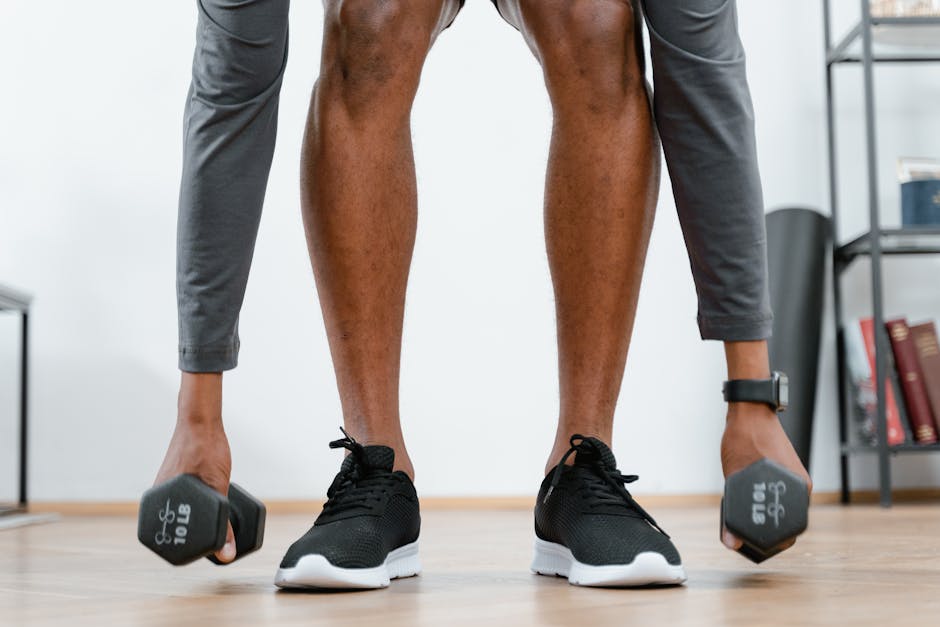
Many believe that building strong shoulders requires access to a bench, but this is a myth. You can effectively target your shoulder muscles using just a pair of dumbbells and your body weight, making dumbbell shoulder exercises without bench not only feasible but also incredibly effective. This article will guide you through a variety of these exercises, helping you enhance your shoulder strength and stability without the need for a gym bench.
Who This Is For
- Beginners looking to build shoulder strength without complex equipment.
- Athletes seeking to improve shoulder stability for their sport.
- Busy adults wanting a quick and efficient workout at home.
- Parents needing to fit in workouts around their family schedules.
- Individuals recovering from shoulder injuries who need low-impact options.
What Most People Get Wrong




As an Amazon Associate, Exercise Daily earns from qualifying purchases. This post may contain affiliate links. Last updated: October 24, 2026
One common misconception is that shoulder workouts must involve heavy weights and machines for effectiveness. However, many people overlook the potential of bodyweight and dumbbell exercises that can be performed anywhere. Additionally, many assume that shoulder exercises only focus on lifting weights overhead, neglecting the importance of lateral movements and stabilization exercises that are crucial for shoulder health. This limited perspective can lead to imbalanced shoulder development, which may increase the risk of injuries and reduce overall functional capability in daily activities.
Why This Actually Works
Dumbbell shoulder exercises without a bench capitalize on multiple muscles in the shoulder complex, including the deltoids, rotator cuff, and trapezius. By incorporating a variety of movements, these exercises enhance muscle coordination, stability, and strength. Furthermore, many of these exercises engage the core, providing additional benefits for overall fitness. Research supports the effectiveness of dumbbell training for shoulder development, emphasizing its role in improving functional strength and reducing injury risk (American Council on Exercise, ACE). This functional training aspect is particularly beneficial for everyday tasks, as it helps to improve your ability to lift, push, and carry objects safely and effectively.
Explore more in our Exercise section.
Mistakes to Avoid
- Neglecting Warm-Up: Always warm up your shoulders with dynamic stretches to prevent injury. A proper warm-up increases blood flow to the muscles and prepares them for the workout ahead.
- Using Too Much Weight: Start with lighter weights to master form before progressing to heavier dumbbells. This approach helps establish a solid foundation and minimizes the risk of injury.
- Improper Form: Focus on maintaining a neutral spine and avoid excessive arching or rounding of the back. Proper alignment is crucial for effective muscle engagement and injury prevention.
- Overtraining: Give your shoulders adequate time to recover between workouts to prevent strain. Muscles need time to repair and strengthen after intense sessions, so listen to your body and adjust your training frequency accordingly.
Effective Dumbbell Shoulder Exercises
Here’s a list of effective dumbbell shoulder exercises that can be performed without a bench. Each exercise targets specific muscles and can be modified for your fitness level. Incorporating a variety of movements ensures that you are working all areas of the shoulder, which is essential for balanced development.
| Exercise | Target Muscle | Sets | Reps | Difficulty | Safety Cue |
|---|---|---|---|---|---|
| Dumbbell Shoulder Press | Deltoids | 3 | 8-12 | Intermediate | Keep elbows slightly in front of the body. |
| Lateral Raises | Deltoids | 3 | 10-15 | Beginner | Do not lift above shoulder height. |
| Front Raises | Deltoids | 3 | 10-15 | Beginner | Engage the core to avoid leaning back. |
| Arnold Press | Deltoids | 3 | 8-12 | Intermediate | Rotate palms out as you lift. |
| Upright Row | Deltoids, Trapezius | 3 | 10-12 | Intermediate | Keep the weights close to the body. |
Beginner Tips
If you’re just starting with dumbbell shoulder exercises, here are some tips to help you get the most out of your workouts:
- Start with lighter weights to master your form before increasing resistance. This will help you develop muscle memory and understand how to engage the target muscles effectively.
- Incorporate a mix of static and dynamic stretches to enhance mobility. Dynamic stretches such as arm circles or shoulder dislocates can prepare your muscles for the workout, while static stretches post-workout can aid recovery.
- Focus on controlled movements rather than fast reps to maintain proper form. Quality over quantity is key to preventing injuries and ensuring that you are effectively targeting the muscles.
Advanced Tips
For those who have experience, consider these advanced tips to elevate your shoulder workouts:
Explore more in our Fitness section.
- Incorporate supersets by pairing shoulder exercises with complementary movements for increased intensity. For example, follow a set of Dumbbell Shoulder Presses with Upright Rows to maximize muscle fatigue.
- Experiment with tempo variations, such as slowing down the lowering phase of each lift. This time under tension can lead to greater muscle growth and strength gains.
- Try unilateral exercises (working one side at a time) to improve muscle imbalances. For instance, performing a single-arm Dumbbell Shoulder Press can help you identify and correct strength discrepancies between sides.
Real-World Use Cases
Imagine you’re a busy parent juggling work and family responsibilities. You can fit in a quick shoulder workout at home with just a pair of dumbbells, allowing you to strengthen your upper body while keeping an eye on your kids. This adaptability makes it easier to maintain a consistent fitness routine. Alternatively, if you’re an athlete, these exercises can enhance your shoulder stability, improving performance in sports like swimming or basketball where shoulder strength is crucial. Additionally, for individuals in physically demanding jobs, having strong shoulders can improve performance and decrease the risk of work-related injuries.
Frequently Asked Questions
1. Can I build shoulder muscle without heavy weights?
Yes, you can effectively build shoulder muscle using lighter weights with higher repetitions and varied movements. This approach can stimulate muscle growth while minimizing the risk of injury, making it particularly suitable for beginners and those returning from injury.
2. How often should I perform shoulder exercises?
It’s generally recommended to train your shoulders 1-2 times per week, allowing for recovery time in between sessions. This frequency allows muscles to recover and adapt, leading to better strength gains over time.
Explore more in our Nutrition section.
3. What are signs of shoulder injury during exercises?
Pain, discomfort, or a feeling of instability in the shoulder joint can indicate an injury. If you experience these symptoms, stop the exercise and consult a professional. Early intervention can often prevent more severe injuries and ensure a safe return to training.
4. How can I improve my shoulder flexibility?
Incorporate dynamic stretches and mobility exercises into your warm-up routine, such as arm circles and wall slides. Additionally, consider integrating yoga or Pilates into your routine, as these practices can significantly enhance flexibility and shoulder mobility.
5. Are dumbbell exercises good for seniors?
Yes, dumbbell exercises can be very beneficial for seniors, as they help improve strength, balance, and joint stability. Tailoring exercises to a senior’s fitness level and ensuring proper form can enhance safety and effectiveness, promoting a more active lifestyle.
Extra Value: Mini Routine
Here’s a quick shoulder workout you can do at home:
- Warm-Up: Arm circles (2 minutes) to prepare the shoulder joints.
- Dumbbell Shoulder Press: 3 sets of 10 reps to target the deltoids.
- Lateral Raises: 3 sets of 12 reps to engage the side delts.
- Front Raises: 3 sets of 12 reps to work on the front deltoids.
- Cool Down: Stretching (2 minutes) to aid recovery and maintain flexibility.
Incorporate this routine into your weekly schedule to maintain shoulder strength and mobility. Adjust the weights and repetitions based on your fitness level and goals, ensuring that you continue to challenge your muscles while maintaining proper form.
Conclusion
Dumbbell shoulder exercises without a bench are not only effective but also versatile, allowing you to tailor your workouts to your needs and environment. By focusing on proper form and gradually increasing intensity, you can achieve strong, stable shoulders that enhance your overall fitness. Whether you are a beginner or an advanced fitness enthusiast, these exercises can fit into your routine and help you reach your fitness goals. Remember, consistency is key in any workout regimen, so start today and enjoy the benefits of strong shoulders!
- References
- American Council on Exercise (ACE)
- National Strength and Conditioning Association (NSCA)
- Journal of Strength and Conditioning Research
- PubMed
Eat daily, sleep daily, exercise daily.
These are for informational purposes only. Consult your doctor and do your own research before use.